Peptides Skincare: The 2026 Anti-Aging Breakthrough Everyone’s Talking About
If you’ve scrolled through TikTok, Instagram, or Google in the past few weeks, you’ve probably heard the word “peptides” thrown around. A lot. Celebrities are talking about peptides. Beauty editors are raving about peptides. Your favorite skincare brand just launched a peptide serum. And everyone’s acting like peptides are some brand-new miracle ingredient that just got invented.
Here’s the thing: peptides aren’t new. They’ve been in skincare for decades. What IS new is that they finally actually work now. Modern formulation science has cracked the code on making peptides stable, absorbable, and clinically effective at concentrations that produce real results.
2026 is officially the year of peptides, and the numbers back it up. “Peptide therapy” grew 281% on Google, 459% on TikTok, and 412% on Instagram year-over-year. Copper peptides (GHK-Cu) are up 1,016% in search volume. This isn’t hype. This is people getting actual visible results and talking about it online.
What Are Peptides? (And Why Are They Different From Other Actives?)
Let’s start with the basic science, because understanding how peptides work explains why they’re so effective and so gentle at the same time.
Peptides are short chains of amino acids. Think of amino acids as the building blocks of proteins, and peptides as smaller, more manageable versions of those proteins. Your skin naturally makes them, but production declines with age. By your 40s, your natural peptide production has decreased significantly, and this contributes to visible aging: wrinkles, loss of firmness, sagging texture.
The key difference between peptides and other actives: peptides are messengers, not attackers. They tell your skin what to do rather than forcing it to do something. This is why they’re so gentle and why they work for almost every skin type.
That’s where topical peptides come in. When you apply peptide-infused products, they signal your skin cells to increase collagen production, elastin production, and cellular repair. They’re literally telling your fibroblasts (the cells that make collagen) to do their job like they did when you were younger.
Unlike retinoids (which speed up cell turnover) or acids (which exfoliate), peptides don’t assault your skin barrier. They work WITH your skin’s natural processes. This is why peptides are safe for sensitive skin, why you can use them daily without irritation, and why they can be combined with almost any other ingredient.
Different Types of Peptides (And What Each One Does)
Not all peptides are created equal. Different peptides have different amino acid sequences, and that sequence determines what your skin will do in response. Here are the main ones you’ll see in skincare:
Signal Peptides (like Matrixyl & Matrixyl 3000)
These are the collagen boosters. Signal peptides literally signal your skin cells to produce more collagen and elastin. Matrixyl has more clinical studies backing it up than almost any other peptide. Studies show 10-20% improvement in skin elasticity and reduction in wrinkle depth over 12 weeks. This is the peptide you want if your main concern is firmness and anti-aging.
Copper Peptides (like GHK-Cu)
Copper peptides are the rising stars. GHK-Cu is up 1,016% in search volume because people are seeing genuinely impressive results. Copper peptides stimulate collagen AND elastin while also delivering antioxidant and soothing benefits. They’re particularly effective for mature skin and for people dealing with skin density loss. The copper component acts as a delivery system, helping the peptide penetrate and work more effectively.
Neurotransmitter-Inhibiting Peptides (like Argireline)
These peptides work like topical Botox. They relax facial muscles that cause expression lines, particularly crow’s feet and forehead wrinkles. They’re less about building collagen and more about preventing the movement that creates wrinkles in the first place. Results are visible but temporary (they relax muscles, they don’t rebuild tissue).
Carrier Peptides
These peptides deliver minerals like copper and zinc to your skin, which support collagen synthesis and wound healing. They’re usually found in moisturizers or barrier-repair products rather than serums.
Why 2026 Is Actually Different From Previous Hype Cycles
Here’s what I genuinely appreciate about peptides right now: the old peptide products from 2023 didn’t work that well. Brands added small amounts of peptides to products, made marketing claims, and expected results. Most people didn’t see anything.
In 2026, formulation science has evolved. Companies are now using peptides at clinically effective concentrations. They’re using stabilizers that keep peptides from degrading. They’re using delivery systems that help peptides actually penetrate the skin. And they’re combining multiple peptides that work synergistically (multi-peptide complexes are more effective than single peptides).
The difference is night and day. People are actually seeing results, which is why search volume has exploded. It’s not influencer hype anymore — it’s genuine word-of-mouth because the products finally deliver what they promise.
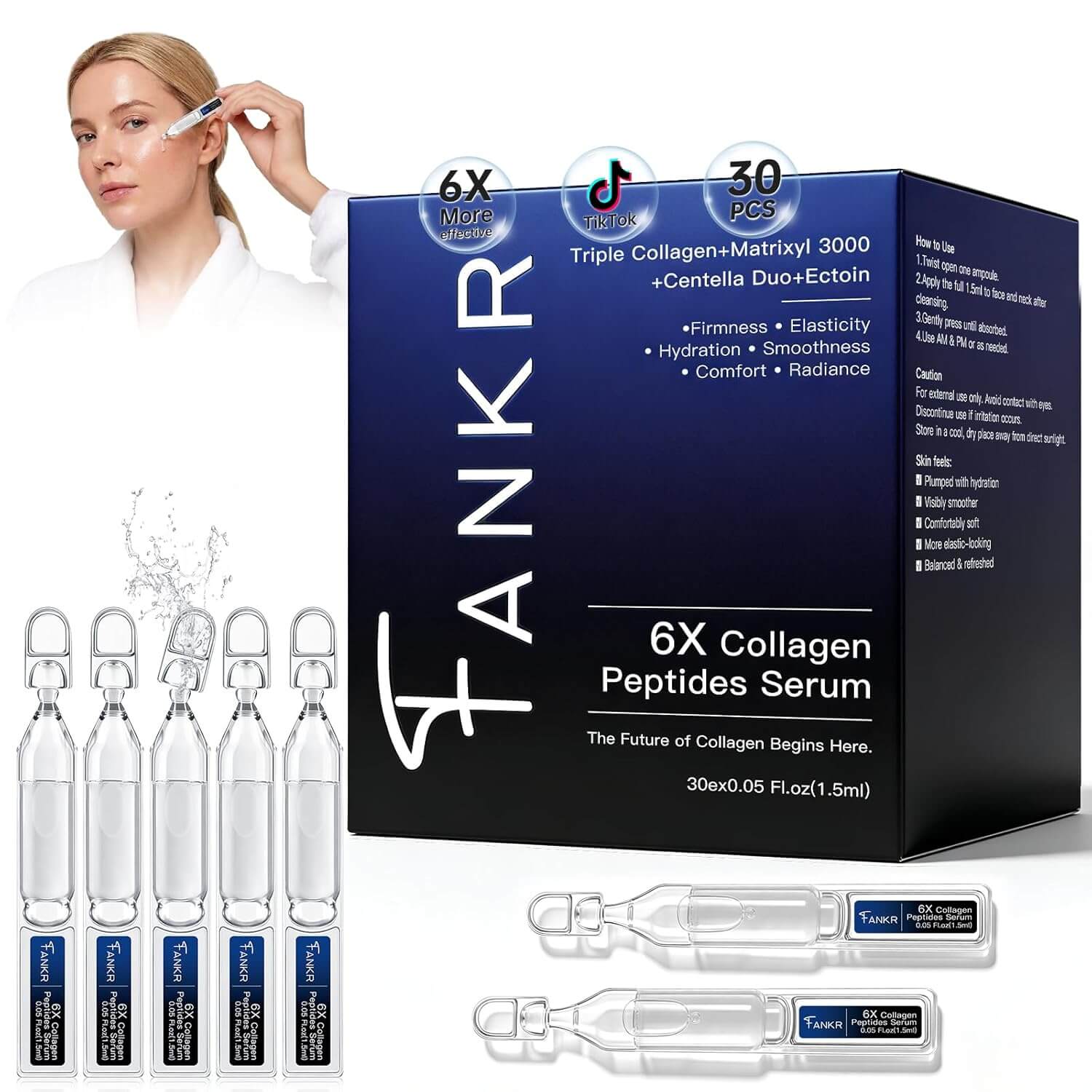
Real Results Timeline: What to Actually Expect
One thing that separates peptides from hype is that they’re backed by actual clinical studies. Here’s the honest timeline based on research:
Week 1-2: Hydration & Skin Feel
Your skin will feel hydrated and plump. This is fast because peptides draw water into the skin. You’ll notice improved skin feel and hydration almost immediately.
Week 4-6: Visible Firmness
By week 6 of consistent use, most people notice their skin looks firmer. Fine lines appear softer. Texture improves. Skin looks more radiant. This is when collagen stimulation is starting to work.
Week 12+: Measurable Anti-Aging
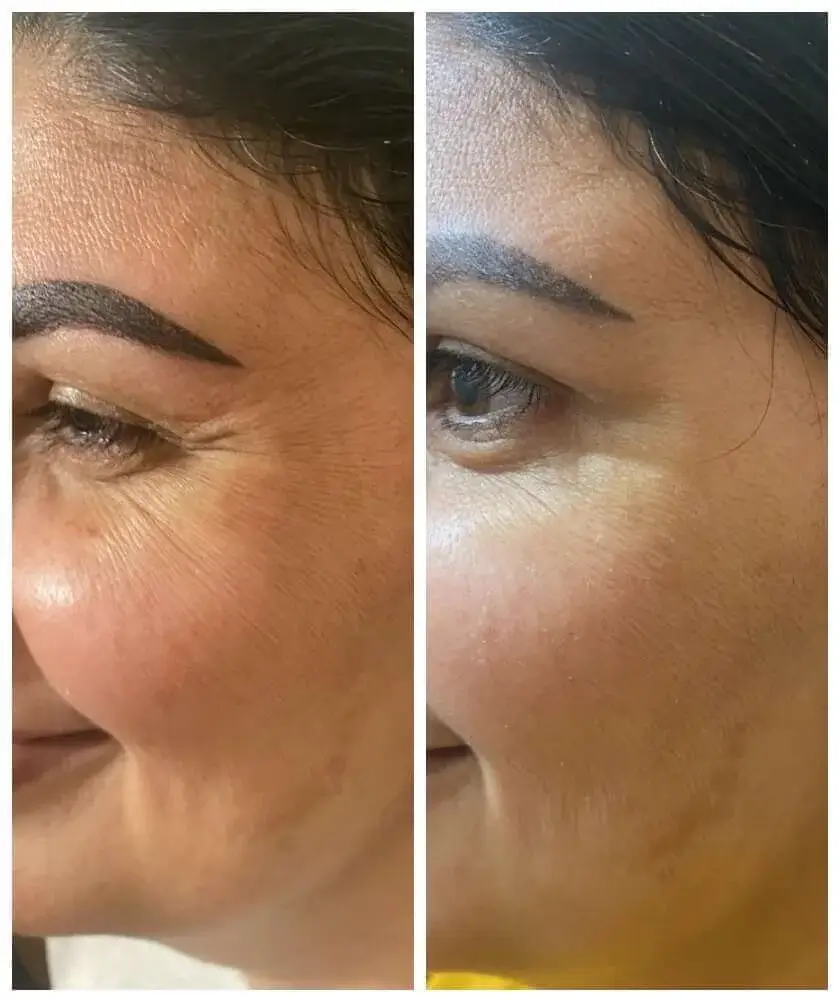
After 12 weeks of twice-daily use, clinical studies show 10-20% improvement in elasticity, reduction in wrinkle depth, and improvements in skin density. This is the threshold where most people see legitimate anti-aging results.
The most important thing: peptides require CONSISTENCY. They don’t work if you use them sporadically. You need to use them twice daily for at least 12 weeks to see meaningful anti-aging results. But if you do? The results are real and measurable.
Why Dermatologists Actually Love Peptides
Peptides check every box that dermatologists want in an anti-aging ingredient:
They’re scientifically proven. Multiple RCTs (randomized controlled trials) show measurable improvements in collagen production, firmness, and wrinkle reduction.
They’re gentle. Unlike retinoids or acids, peptides don’t irritate the skin barrier. They work with your skin’s natural processes instead of against them.
They’re safe for sensitive skin. If you have rosacea, eczema, or reactive skin, you can’t always use retinoids or strong acids. Peptides are generally well-tolerated.
They’re pregnancy-safe. If you’re pregnant or breastfeeding and want to continue anti-aging skincare, peptides are one of the few options dermatologists recommend.
They pair well with everything. You can combine peptides with retinoids, vitamin C, niacinamide, hyaluronic acid, and almost any other skincare ingredient. They’re genuinely versatile.
How to Actually Use Peptides (The Right Way)
It’s not complicated, but consistency matters:
Use Them Daily, Twice Daily
Morning and night. Peptides work through consistency, and you need to give them time. Once or twice a week won’t do it.
Apply to Clean, Dry Skin
Cleanse, pat skin dry, then apply your peptide product. Most peptide serums go on before moisturizer.
Use with Hydrating Ingredients
Peptides work best when paired with hydration. Use them with hyaluronic acid, ceramides, niacinamide, or glycerin to maximize results.
Avoid Mixing with Unstable Actives
Don’t mix peptides with high concentrations of L-ascorbic acid (unstabilized vitamin C), as this can break down the peptides. If you want both, use vitamin C in the morning and peptides at night, or use a stabilized form.
Give It 12 Weeks
Don’t expect to see anti-aging results in 2 weeks. The whole point of peptides is that they’re working at the cellular level to rebuild your skin’s structure. That takes time. Commit to 12 weeks.
The Best Way to Integrate Peptides Into Your Routine
If you’re starting peptides for the first time, here’s a simple routine:
Morning: Cleanser → Peptide Serum → Moisturizer with SPF
Night: Cleanser → Peptide Serum → Moisturizer
If you also use retinoids, you can do peptides in the morning and retinoid at night (they work synergistically, not competitively).
If you want the most powerful peptide routine: morning peptide serum + night multi-peptide cream + monthly professional peptide facials.
Real Talk: Who Should Actually Use Peptides
Honestly? Most people would benefit from peptides. They’re suitable for sensitive skin, mature skin, dehydrated skin, combination skin, acne-prone skin. They’re one of the few actives that work for literally every skin type.
Specifically, peptides are amazing if you’re: Looking for anti-aging without irritation. Dealing with sensitive skin or rosacea. Pregnant or breastfeeding and want to continue anti-aging skincare. Wanting to prevent aging (late 20s+). Recovering skin barrier damage. Dealing with skin laxity or loss of firmness.
The only people who might want to skip peptides: people who don’t care about fine lines or firmness (though peptides also improve hydration and barrier health, so they’re good preventatively).
Final Thoughts
2026 really is the year peptides deserve all the attention. Not because they’re new, but because they finally actually work at clinically effective concentrations in properly formulated products. The 281% growth on Google isn’t hype — it’s people getting real results and talking about it.
If you haven’t incorporated peptides into your routine, now is genuinely the time. They’re the most science-backed, gentle, versatile anti-aging ingredient available. And unlike trends that come and go, peptides have decades of research backing them up.
Your skin will thank you.Written for Glowzey.com — Skincare science you can actually trust.
Related Posts
- The Complete Retinol Skincare Guide
- LED Light Therapy Masks: Do They Actually Work?
- How to Repair Your Skin Barrier
- Gua Sha Facial Massage for Lymphatic Drainage
Get the Free Glowing Skin Bible
Our most popular step-by-step guide to clearer, healthier skin. Trusted by thousands of readers.
No spam. Unsubscribe anytime.