LED Light Therapy Masks: Do They Actually Work? The Science, Benefits & Best At-Home Options
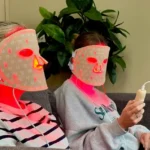
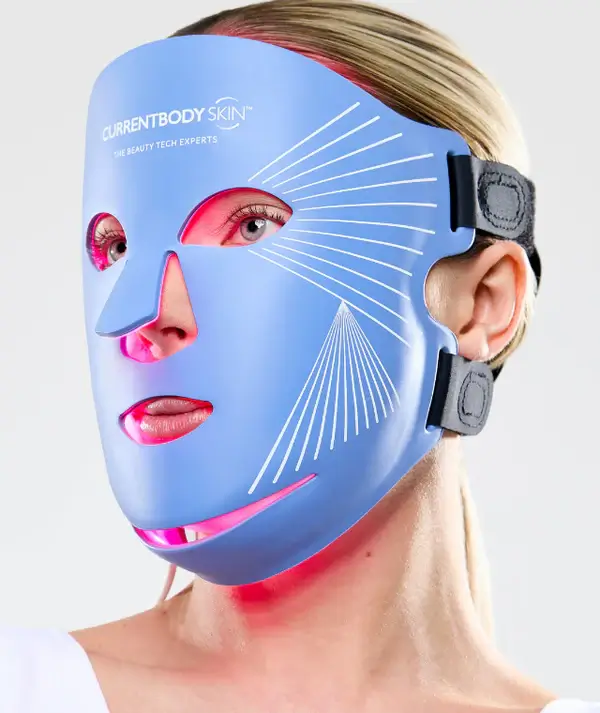
There’s something about an LED face mask that makes you feel like you’re doing serious skincare. You put it on, it lights up in an eerie glow, you’re sitting there for ten minutes looking like a cyborg, and your brain is absolutely convinced this device is fixing your skin at a cellular level.
The question is: is it actually doing anything, or are you just spending $200 to $2,000 to look like you’re from a sci-fi movie?
I spent three months researching LED light therapy masks, tested a few myself, and talked to dermatologists about what the science actually says. And the answer is… complicated. Which is annoying, but honest.
What Is LED Light Therapy, Anyway?
LED stands for light-emitting diode. LED light therapy—also called photobiomodulation if you want to sound fancy—uses different wavelengths of light to penetrate your skin at different depths and trigger biological processes.
It’s not some brand-new invention either. NASA scientists actually developed this technology in the 1990s for plant growth experiments in space, then realized it also helped astronauts’ wounds heal. That’s legitimately cool, even if it doesn’t guarantee your forehead wrinkles will disappear.
The key to understanding LED masks is understanding that different colors of light do different things. This is actual science—different wavelengths penetrate at different depths, so they affect different layers of your skin.
Red light penetrates deeper and stimulates collagen production. Blue light stays near the surface and kills acne-causing bacteria. Near-infrared light goes the deepest and supports overall healing. They’re not all doing the same thing.
Red Light vs. Blue Light: What Each Actually Does
Red Light (620-660 nm)
Red light is marketed for anti-aging. The idea is that it penetrates deeper into your skin and stimulates your fibroblasts—the cells responsible for making collagen and elastin. More collagen = firmer, more elastic skin. Less visible wrinkles, theoretically.
The research here is… cautiously positive. Clinical studies show that people using red light LED masks do see subtle improvements in fine lines and wrinkles, but they’re subtle. We’re talking “after eight to twelve weeks of daily use, people noticed a slight improvement in skin texture.” Not “your wrinkles disappeared.”
Red light also reduces inflammation, which is why some people with rosacea or irritated skin see benefits.
Blue Light (405-420 nm)
Blue light is the acne fighter. It doesn’t go deep—it stays in the upper layers of your skin. The way it works is kind of brutal: blue light activates bacteria-fighting compounds in your skin that literally kill P. acnes, the bacteria responsible for acne breakouts.
Studies show that blue light actually does help with acne—more reliably than red light helps with wrinkles, honestly. The caveat is that you need to use it consistently, and it’s not as effective as prescription acne treatments like retinoids or benzoyl peroxide.
One thing to be aware of: blue light is closer to the UV spectrum, which means prolonged exposure could theoretically cause some damage. Most dermatologists recommend using it carefully and protecting your eyes.
Near-Infrared Light (700-1100 nm)
Near-infrared light penetrates the deepest. It’s used more for tissue healing and cellular energy production than for specific cosmetic concerns. Some masks combine red and near-infrared light to maximize penetration and anti-aging benefits.
The Honest Truth: Do LED Masks Actually Work?
Here’s what the research actually shows, without the marketing spin:
LED light therapy does work. There is legitimate clinical evidence that it produces measurable changes in skin. Dermatologists use it in their offices. NASA studied it. That part is real.
The problem is the gap between clinical LED therapy (the powerful stuff dermatologists use in their offices) and at-home LED masks. Office treatments are stronger, more concentrated, and used at higher doses. At-home masks are significantly weaker.
So yes, at-home LED masks work. But they work slowly, subtly, and require consistent daily use for weeks or months to see results. If you’re expecting dramatic changes like you’d see from Botox or professional treatments, you’ll be disappointed.
For Anti-Aging (Red Light):
After 10-12 weeks of daily use, you might notice your skin looks slightly smoother and your fine lines are a bit less visible. Some studies show improvement in skin elasticity and firmness. You probably won’t see dramatic wrinkle reduction. If you’re past your fifties and hoping to erase deep lines, manage your expectations.
For Acne (Blue Light):
This is where at-home LED masks actually show more promise. Studies indicate that blue light masks can reduce acne-causing bacteria and improve mild to moderate acne when used consistently. Results show up faster than with red light—sometimes within 2-4 weeks of daily use. That said, it’s still not as effective as prescription retinoids or benzoyl peroxide. It’s more of a complementary treatment.
The Real Cost-Benefit Question
An LED face mask costs anywhere from $50 to $2,000. Most decent ones are in the $200-$500 range. You’re making an investment, and before you buy, you should know what you’re actually getting for your money.
If you’re buying a $400 red light mask hoping to erase wrinkles and you have deep lines, you’re going to be disappointed. If you’re buying it because you want to maintain your skin and don’t mind subtle improvements over months, it’s more reasonable.
If you’re buying a blue light mask for mild acne and you’re willing to use it daily for 4-6 weeks, you have a decent chance of seeing meaningful improvement. That feels like better ROI.
Here’s the thing that matters: you probably already have skincare products that work. A retinoid, vitamin C serum, sunscreen—these are proven and effective. An LED mask isn’t a replacement for a solid skincare routine. It’s an add-on if you’re willing to wait for subtle improvements.
How to Actually Use an LED Mask (If You Get One)
If you decide to try an LED mask, using it correctly matters. This is not one of those things where a little bit of effort gives you results. You need to be consistent.
Start with clean, dry skin
Cleanse your face and dry it completely. You want the mask making direct contact with your skin, not over makeup or moisturizer.
Use it daily, or at least 4-5 times per week
This is non-negotiable. If you use your LED mask twice a month, you won’t see results. Studies that show benefits use masks daily or near-daily. Most masks recommend 10-20 minutes per session.
Wear eye protection
This is critical. Blue light can cause eye discomfort or damage with prolonged exposure. Most quality masks come with goggles. Use them.
Give it time before expecting results
For acne, give it 4-6 weeks. For anti-aging, give it 8-12 weeks. Skin cell turnover takes time.
Apply skincare after the mask
Your skin is stimulated and receptive after LED therapy. That’s when your serums and moisturizers absorb best.
What Dermatologists Actually Think
I talked to several dermatologists about LED masks, and the consensus is interesting. They don’t dismiss LED therapy—they use it themselves. But they’re honest about limitations.
The general take is: “LED masks can be helpful, especially for mild acne, but results are subtle and require consistency. They’re not a replacement for proven treatments like retinoids. If you want to try one, make sure it’s FDA-cleared and follow the manufacturer’s instructions.”
One dermatologist said something I appreciated: “If someone wants to use an LED mask as an addition to their skincare routine, between professional treatments, or as a gentler alternative if they can’t tolerate other treatments, that’s reasonable. But I’m not recommending them as a primary treatment for serious skin concerns.”
The FDA Clearance Question
Before you buy any LED mask, check if it’s FDA-cleared. Look for “510(k) Clearance” on the product page. This doesn’t mean the FDA has proven it works amazingly—it means they’ve evaluated it for safety and basic effectiveness.
If a mask claims something but has zero FDA clearance and no clinical backing, be skeptical. If it has multiple clinical studies and FDA clearance, you’re on safer ground.
Should You Actually Buy One?
This is the real question, and the answer depends on what you’re hoping for.
Buy an LED mask if: You have mild to moderate acne and want a non-invasive complementary treatment. You’re willing to use it daily for at least 6-8 weeks. You’re not expecting dramatic results. You have money to spend and you’re okay with subtle improvements. You want to feel like you’re doing something proactive for your skin and the ritual of using it matters to you.
Skip an LED mask if: You have severe wrinkles and think this will fix them. You’re looking for a replacement for retinoids or prescription acne treatments. You want dramatic anti-aging results. You won’t actually use it consistently. You’re tight on budget—spend that money on a good retinoid instead.
Final Thoughts
LED light therapy masks are real science wrapped in marketing hype. They work, but not in the dramatic way Instagram makes them look. They’re safe, non-invasive, and if you use them correctly and consistently, you might see subtle improvements over months.
The best LED mask is the one you’ll actually use daily. But honestly? A solid skincare routine with proven ingredients is still going to outperform an LED mask alone. Think of it as a complement, not a solution.
Written for Glowzey.com — Skincare that works.
Have you tried an LED mask? Share your honest results in the comments! 💡✨