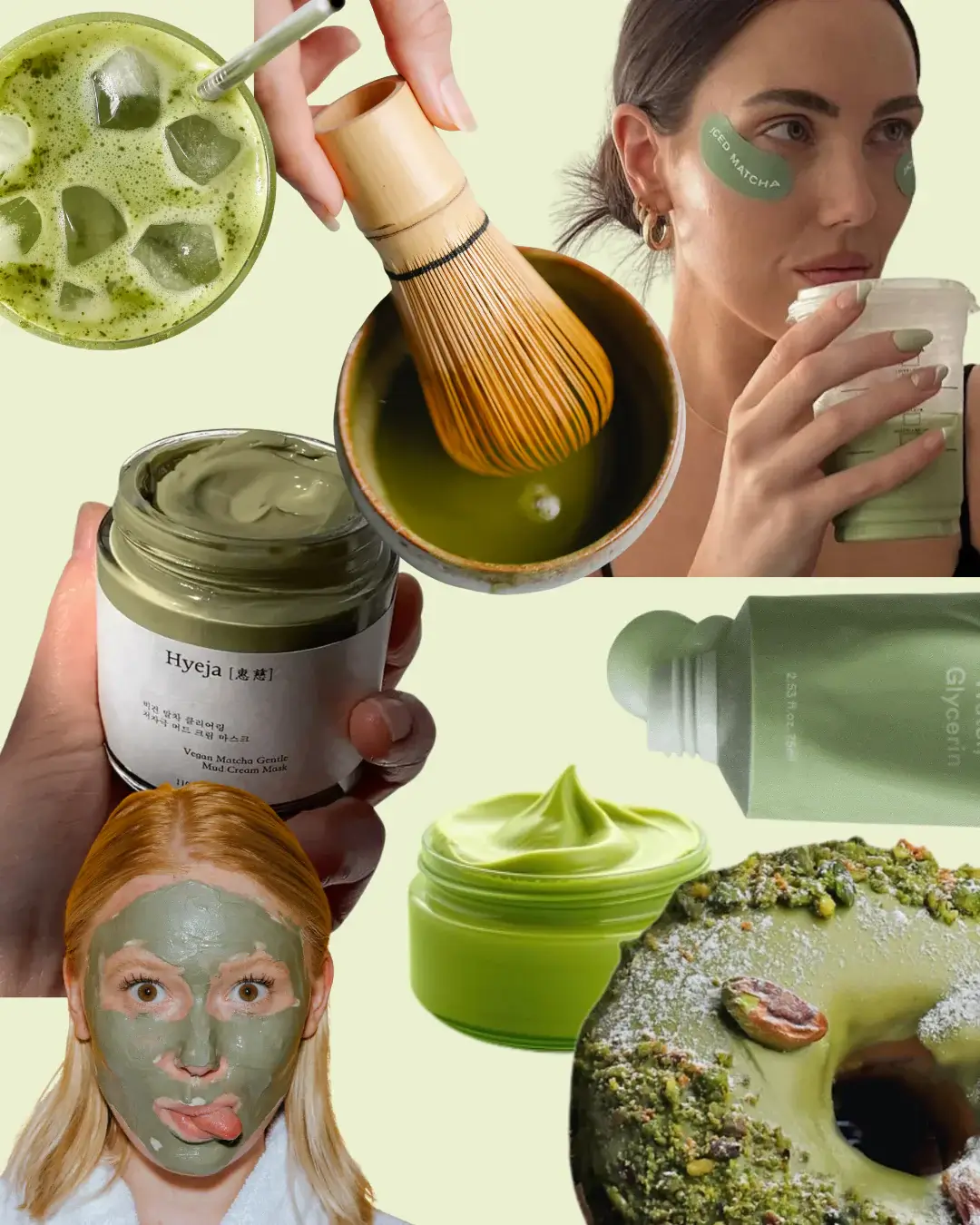
Matcha Skincare Is the Viral Beauty Secret That Actually Works — Here’s Everything You Need to Know
There’s this moment that happens when you finally discover a skincare ingredient that feels almost too good to be true. Something that works, doesn’t cost a fortune, aligns with the whole minimalist beauty thing that’s been happening, and comes with actual science behind it. For a lot of people right now, that ingredient is matcha.
If you’ve scrolled through beauty content in the last few months, you’ve probably seen it: matcha face masks, matcha serums, matcha as a toner, matcha in everything. The ingredient has gone from niche Japanese tea culture to a legitimate skincare staple that dermatologists are talking about and people are genuinely seeing results with. And the wild part? It actually makes sense once you understand what matcha does for your skin.
I spent way too long dismissing this as just another trendy ingredient that would fade away. Then I actually looked into the science. And then I tried it. And now I’m that person sending screenshots of matcha face masks to friends. So let’s talk about what matcha actually is, why your skin cares about it, and how to use it without needing to buy a bunch of expensive products.
What Is Matcha, And Why Is It Suddenly Everywhere in Skincare?
Matcha is finely ground powder made from specially grown green tea leaves. But it’s not just any green tea — the plants are shade-grown for about 20 to 30 days before harvest, which boosts their chlorophyll and amino acid content. That shading process is what gives matcha its signature bright green color and makes it nutritionally denser than regular green tea.
For centuries, matcha has been central to Japanese culture — the ceremonial tea preparation, the ritual, the whole thing. But in the last decade, it’s crossed over from being a wellness drink into skincare. And it’s not some marketing genius move. It’s genuinely because the compound profile of matcha is incredibly beneficial for skin.
The main compounds that make matcha interesting for skincare are catechins — these are a specific type of antioxidant. Matcha contains a particularly powerful catechin called EGCG (epigallocatechin gallate), which is one of the most potent natural antioxidants that exists. We’re talking stronger than your typical vitamin C serum. That’s the big deal.
Matcha contains EGCG, a powerful antioxidant that helps neutralize free radicals, protect against UV damage, and fight the signs of aging. One teaspoon of matcha powder has more antioxidant power than a cup of regular green tea.
What Matcha Actually Does for Your Skin (The Real Benefits, Not the Hype)
Okay, so matcha is full of antioxidants. But what does that actually mean for your skin? Let me break this down into the benefits people actually see when they use it consistently.
It Fights Free Radical Damage & Prevents Aging
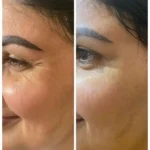
Free radicals are unstable molecules that damage your skin cells, breaking down collagen and elastin. They come from pollution, UV exposure, stress, and just living in the world. The EGCG in matcha neutralizes these free radicals before they can cause damage. This means less premature wrinkles, less dark spots, less loss of elasticity. It’s preventative anti-aging, which is genuinely more effective than trying to fix damage that’s already happened.
It Reduces Inflammation & Calms Redness
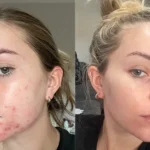
If your skin is irritated, inflamed, dealing with acne, or dealing with rosacea or eczema, matcha’s anti-inflammatory properties make a real difference. The polyphenols in matcha actively reduce inflammation, which means less redness, less irritation, and your skin barrier gets supported rather than attacked. People with sensitive skin or acne-prone skin often see the most noticeable results with matcha.
It Detoxifies & Clears Pores
Chlorophyll — the compound that gives matcha its green color — is genuinely good at pulling impurities and excess oil out of your pores. It helps your skin stay clean without being stripped or dried out. For anyone dealing with congestion, blackheads, or just generally clogged pores, this is a significant benefit.
It Actually Supports Collagen Production
When you drink matcha consistently or use matcha products topically, the antioxidants help support collagen production in your skin. This means improved firmness, better elasticity, and a more youthful appearance over time. It’s not an instant transformation, but with consistent use over weeks, you genuinely notice your skin looking more plump and firm.
It Brightens & Evens Skin Tone
The combination of antioxidants, gentle exfoliation properties, and support for skin cell regeneration means matcha can help fade dark spots, reduce hyperpigmentation, and just generally make your complexion look brighter and more even. Not immediately, but over consistent use, you’ll notice your skin tone is more uniform.
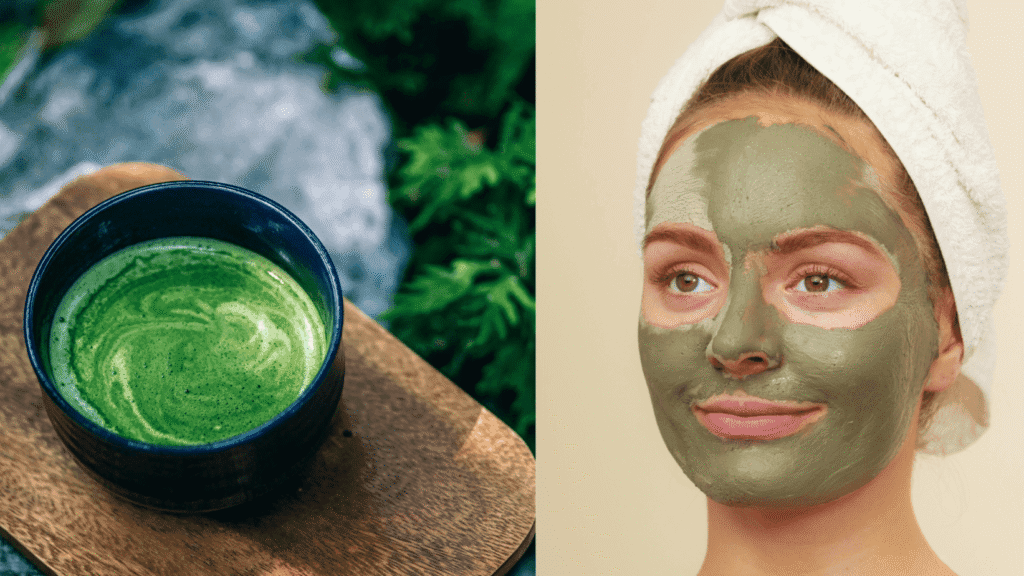
How to Actually Use Matcha in Your Skincare Routine
The beauty of matcha is that there are genuinely affordable ways to use it. You don’t need to buy a bunch of expensive matcha serums and essences unless you want to. You can literally make effective skincare at home for a couple of dollars.
The DIY Matcha Face Mask
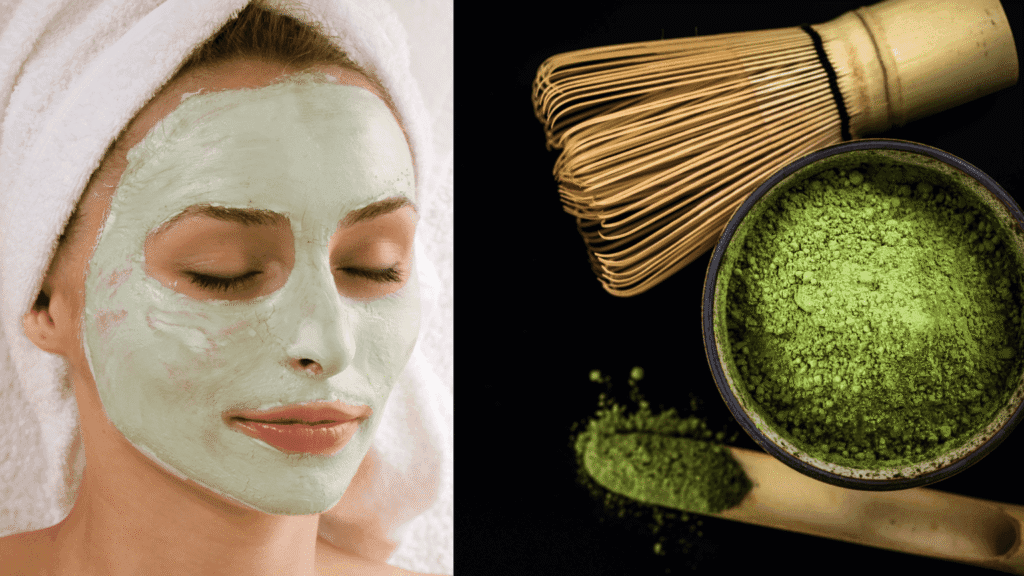
This is the easiest way to start. Mix one teaspoon of matcha powder with one tablespoon of raw honey. If the mixture is too thick, add a tiny bit of water. Apply it evenly to your face, leave it on for 15 to 20 minutes, and rinse with warm water.
Why this combination works: Honey is antimicrobial and hydrating, matcha is antioxidant and anti-inflammatory. Together they brighten, soothe, and nourish. Use this once or twice a week. Your skin will feel noticeably smoother and look brighter after the first use.
The Matcha & Yogurt Mask
Mix one teaspoon of matcha powder with one tablespoon of plain yogurt. The lactic acid in yogurt gently exfoliates while matcha soothes and protects. Apply for 15 to 20 minutes and rinse. This is particularly good for sensitive skin or if your skin barrier feels compromised.
Matcha as a Toner or Facial Mist
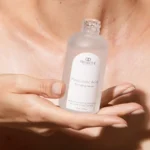
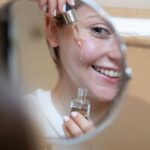
Brew a strong cup of matcha tea, let it cool completely, and pour it into a spray bottle. Use it as a toner after cleansing, or as a facial mist throughout the day to refresh and hydrate your skin. This is my favorite way to use matcha because it’s so simple — just brew and spray. The antioxidants absorb into your skin instantly.
Matcha as a Gentle Exfoliating Scrub
Mix one teaspoon of matcha powder with one tablespoon of sugar and one tablespoon of jojoba oil. The sugar provides gentle mechanical exfoliation, the oil keeps skin hydrated, and matcha provides antioxidant protection. Use this 1 to 2 times a week. Massage gently in circular motions, then rinse with warm water.
Buying Matcha-Infused Products
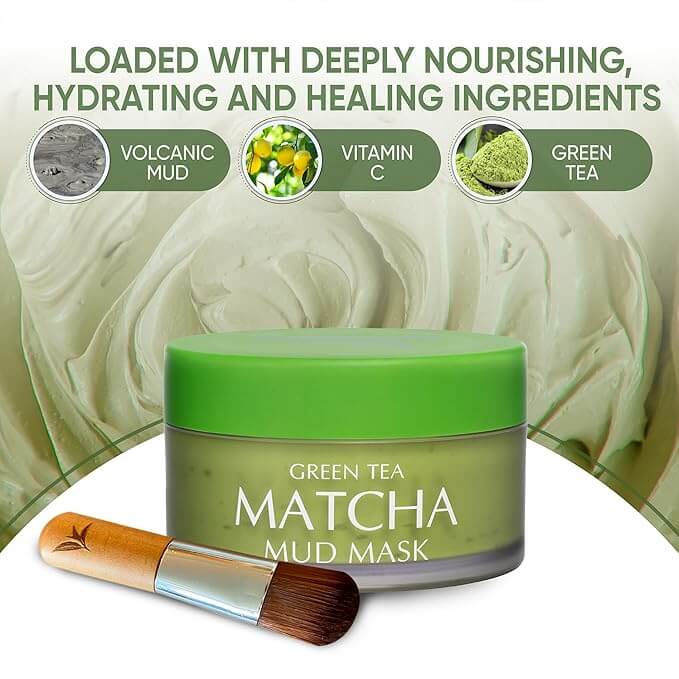
If DIY isn’t your thing, there are genuinely good matcha skincare products available. Brands like Glow Recipe, Dr. Ceuracle, and heimish all make matcha-infused serums, masks, and cleansers that are effective and reasonably priced. Look for products with matcha listed in the top five ingredients — that means you’re getting a genuine amount of the active compound.
What Quality of Matcha Should You Use?
Not all matcha is created equal. For skincare, you want to be intentional about quality, especially if you’re applying it directly to your face.
Ceremonial grade matcha is the highest quality — it’s shade-grown, hand-picked, and stone-ground. It has the brightest green color, the most nutrients, and the smoothest taste. It’s expensive, but if you’re using it for both drinking and skincare, it’s worth it.
Premium or culinary grade matcha is slightly lower in quality but still packed with antioxidants. It’s more affordable and still completely fine for skincare. This is what I personally use for DIY masks.
The thing to look for: bright green color (not dull or brownish), and ideally sourced from Japan, where the matcha production is most refined. Organic matcha is better if you can find it, since you’re not getting pesticides on your face.
How Long Until You See Results?
This is the question everyone asks, and honestly it depends on your skin and what you’re trying to fix. If you’re using matcha for brightness and general skin health, you’ll notice results after about two weeks of consistent use — your skin looks more awake and glowing. For more significant concerns like acne, rosacea, or hyperpigmentation, give it four to six weeks of consistent use, two to three times per week, before you expect major improvement.
The key word is consistent. Matcha doesn’t work if you use it sporadically. You’re building antioxidant protection and supporting skin cell regeneration, both of which take time. But the cool part is that once you see results, they stick around because you’re actually improving your skin health, not just covering things up.
Why Matcha Has Become Such a Big Deal Right Now
I think matcha has blown up because it hits so many boxes at once. It’s effective. It’s affordable. It’s backed by actual science and dermatologists are recommending it. It fits into minimal skincare routines. You can use it topically or drink it for internal benefits. And it connects to this broader cultural moment where people want beauty products that feel intentional and rooted in tradition rather than just marketing.
There’s also something genuinely appealing about using an ingredient that’s been part of Japanese culture for centuries. Not in a cultural appropriation way, but in a “this has been proven to work over time” kind of way. Matcha has the weight of actual history behind it, which means people take it seriously.
And most importantly — it works. Not for everyone, not for every skin concern, but genuinely enough that dermatologists and beauty experts aren’t just riding a trend when they recommend it. It’s one of those rare ingredients that actually delivers on its promises.
Final Thoughts
If you’ve been seeing matcha skincare everywhere and wondering if it’s actually worth trying, the answer is yes. Start with a DIY mask if you want to test it cheaply. If your skin responds well, invest in a matcha powder you like and make it part of your routine. Brew it as a tea, use it as a mist, make masks, whatever works for your lifestyle.
The best skincare trend is the one you’ll actually stick with. And matcha? It’s affordable, it works, and it feels good to use. That’s a trend worth following.
Written for Glowzey.com — Skincare that makes sense.
Have you tried matcha skincare? Share your results in the comments — I want to know! 🍵✨
Related Posts
- How to Repair Your Skin Barrier
- Azelaic Acid: Multi-Benefit Skincare for Sensitive Skin
- Cloud Skin Makeup: Achieve That Dewy Glow
Get the Free Glowing Skin Bible
Our most popular step-by-step guide to clearer, healthier skin. Trusted by thousands of readers.
No spam. Unsubscribe anytime.