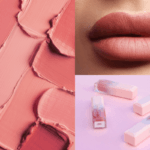

Cloud Skin Is the Most Viral Makeup Trend of 2026 — Here’s How to Actually Get It
If you’ve been spending any time on TikTok recently, there’s a decent chance you’ve watched one person after another achieve a complexion that looks almost…airbrushed. Soft. Blurred. Like their skin has been wrapped in the gentlest version of a filter you’ve ever seen, but somehow still completely recognisable as a real human face.
That look has a name, and it’s absolutely everywhere right now: cloud skin. The hashtag has racked up millions of views on TikTok in the last few months, beauty brands are releasing tutorials for it faster than I can keep track of, and makeup artists who work with actual celebrities are calling it the defining complexion trend of 2026. Which feels like a big claim — until you see it done well, and then it makes total sense.
Here’s what I find so interesting about cloud skin. It’s not asking you to do anything particularly complicated or expensive. It’s not the kind of trend that requires five new products you’ve never heard of. It’s basically a smarter way of layering the things most of us already own — hydrating products, matte products, lightweight formulas — to create a finish that looks genuinely different from anything else that’s been trending lately.
So let’s break it down properly. What cloud skin actually is. Why it looks so good. And exactly how to recreate it yourself without needing to watch seventeen conflicting TikTok tutorials first.
What Even Is Cloud Skin?
Cloud skin is — in the simplest possible terms — a makeup technique that creates a soft-focus, slightly blurred, ethereal complexion by balancing matte and glowy products in a very specific way. The end result sits right in the middle of the two extremes we’ve been bouncing between for the last few years: the ultra-dewy glass skin look, and the completely flat, powdered-down matte face.
Think of it this way. Glass skin is all shine, all glow, all the time — which photographs beautifully but can tip into looking greasy or overly wet in real life, especially in humid weather. Full matte skin, meanwhile, can look velvety and sophisticated when done well, but it also has a tendency to look flat, lifeless, and a bit too “done” for everyday situations.
Cloud skin takes the best parts of both and leaves the rest. You get that soft, diffused luminosity that makes skin look healthy and alive, but without the high-shine reflectiveness that reads as oily. And you get the smoothness and soft-focus blur of a matte base, but without the dryness or the flat, one-dimensional finish.
The technical goal here is to make your skin look like it’s lit from within — but gently, subtly, like sunlight filtering through clouds rather than a spotlight hitting you directly in the face. Hence the name. It’s genuinely one of the more accurate trend names beauty has come up with in a while.
Cloud skin is the perfect halfway point between the clean girl aesthetic and full-coverage glam. It looks effortless without looking bare, polished without looking heavy, and genuinely flattering in every kind of lighting.
Where Did It Come From?
Like a lot of viral makeup trends, cloud skin didn’t just appear overnight. The term was actually coined years ago by Dominic Skinner, a senior makeup artist at MAC Cosmetics, to describe a technique he and other professional artists were using backstage at fashion shows. The idea was to create a complexion that had radiance and dimension without relying on heavy highlighter or shimmer — essentially, glow without the glitter.
That technique stayed mostly within the professional makeup world for a while, used on runways and editorial shoots but not really talked about in mainstream beauty conversations. Then TikTok discovered it. Or rediscovered it, more accurately. And once beauty creators started breaking down the steps and showing people how achievable it actually was at home, it exploded.
The timing makes sense too. We’ve spent years cycling through very specific, very defined complexion trends — full-coverage Instagram makeup, glass skin, the clean girl look, matte everything. And I think a lot of people have quietly been looking for something that feels a bit more balanced. Cloud skin delivers exactly that. It’s polished without being rigid. It’s glowy without being shiny. It works for a Zoom call and it works for a night out. That versatility is a huge part of why it’s resonating so strongly right now.
Why Does It Look So Good?
There are a few reasons cloud skin tends to be genuinely flattering on a really wide range of people, and understanding those reasons actually makes the technique easier to execute.
First: the soft-focus blur. By strategically using matte products in areas where skin tends to get shiny or textured — typically the T-zone — and keeping the rest of the face more luminous, you’re creating a natural gradient that mimics how light actually hits a healthy face. This isn’t contouring in the traditional sense. It’s more like…directing the eye toward the parts of your face you want to emphasise, while gently diffusing the parts you don’t.
Second: the technique prioritises skin texture over coverage. Cloud skin doesn’t work if you’re caking on heavy foundation. The whole point is that your actual skin is visible — freckles, slight unevenness, natural texture — but softened and evened out rather than erased. That’s what makes it look real rather than mask-like. And real, in 2026, is what most people are actually going for.
Third: it’s forgiving. Glass skin, bless it, requires genuinely flawless skin to pull off well. Any dryness, any texture, any slight imperfection, and the whole effect falls apart because the shininess highlights everything. Cloud skin’s blurred, diffused quality is much more forgiving. It smooths without demanding perfection, which means it works beautifully on skin that’s dealing with a bit of redness, some texture, or just the reality of being human.


Happy Morning DUO Kids Spa Headband for Girls: Clean & Vegan Skin Care Bundle | Cloud Face Wash + SPF 20
Shop on AmazonHow to Actually Create Cloud Skin — Step by Step
Right. The practical bit. Here’s how to recreate the cloud skin look at home, broken down into the clearest possible steps.
Step 1: Hydrate Your Skin First
This is genuinely non-negotiable. Cloud skin is built on hydration. If your skin is dry or dehydrated when you start, you’ll end up with a patchy, cakey mess instead of a soft ethereal glow.
After cleansing, apply a lightweight, water-based moisturiser. Let it sink in fully — this takes a minute or two, not thirty seconds. Then apply a hydrating primer. The primer step is where a lot of people skip ahead and regret it later. A good hydrating primer creates the smooth, plump base that makes everything you apply on top blend seamlessly. Gel-based primers with hyaluronic acid work beautifully for this.
The key is hydration without heaviness. You don’t want your skin to feel greasy or slick. You want it to feel bouncy, smooth, and ready for makeup.
Step 2: Choose the Right Base
For cloud skin, you need a base product that’s lightweight and buildable. Skip full-coverage foundations entirely — they work against the whole philosophy of this look. Instead, reach for a skin tint, a light-coverage foundation, or a tinted moisturiser with a natural, slightly satin finish.
Apply it with a damp beauty sponge rather than a brush. The sponge gives you that diffused, airbrushed application that’s essential to the cloud effect. Focus on the center of your face and blend outward, using a light hand. You’re evening out your skin tone, not covering it.
If you need extra coverage in specific areas — under the eyes, around the nose, over any blemishes — use a lightweight concealer and tap it in gently with your finger. Blend the edges so there’s no visible line where the concealer stops and your base begins.
Step 3: Add Strategic Matte
Here’s where the cloud effect actually happens. Take a finely milled, lightweight translucent powder and apply it only to the areas of your face that tend to get oily or shiny — for most people, that’s the T-zone (forehead, nose, chin) and maybe the area just under the eyes if you have oily skin.
Use a fluffy brush and press the powder in gently rather than sweeping it across the skin. You want to mattify those specific zones without disturbing the rest of your face, which should still have that subtle luminosity from your base.
This is the step that creates the soft-focus blur. By mattifying selectively rather than powdering your entire face, you’re creating depth and dimension that makes your skin look three-dimensional and real rather than flat.
Step 4: Bring Back Glow (Subtly)
Now that you’ve mattified the T-zone, you’re going to add a touch of glow back to the high points of the face — but we’re talking subtle, diffused glow, not disco ball shimmer.
Use a cream or liquid highlighter (avoid anything too glittery) and apply it to the tops of your cheekbones, the bridge of your nose, and your cupid’s bow. Tap it in with your fingers so it melts into the skin rather than sitting on top of it. The goal is a gentle luminosity that looks like it’s coming from underneath your skin, not a stripe of sparkle painted across your face.
If you want to add blush and bronzer, choose cream or powder formulas with a soft, semi-matte finish rather than anything overly shimmery. Blend them thoroughly so there are no harsh lines — everything should melt into everything else.
Step 5: Set (Lightly)
The final step is to set the look with a hydrating setting spray — not a mattifying one. A few light mists will help meld all the layers of makeup together and lock in that soft, blurred finish without flattening the glow you’ve just created.
Hold the spray about arm’s length from your face and mist in an X shape across your face, then let it dry naturally. Don’t touch your face or powder over the top. Just let it settle.
The Products That Make It Easier
Cloud skin doesn’t require anything wildly expensive or hard to find, but certain types of products definitely make the process smoother. Here’s what to look for if you’re building or refining your collection specifically with this look in mind.
For your base, lightweight skin tints and tinted moisturisers with a natural finish work beautifully. Brands like Glossier, Ilia, and IT Cosmetics all make versions of this that blend seamlessly and let your skin show through. If you prefer something with slightly more coverage, look for foundations marketed as “skin-like” or “natural finish” rather than full-coverage.
For powder, translucent setting powders with a finely milled texture are your best friend. Laura Mercier and Maybelline both make excellent versions at very different price points. The key is that the powder should be virtually invisible on the skin and shouldn’t add any color or texture.
For highlighter, cream or liquid formulas give you the most control and the most natural finish. Anything too chunky or glittery will fight against the soft-focus effect you’re trying to create. Look for words like “lit from within,” “subtle glow,” or “natural radiance” in product descriptions — those are usually good indicators.
And for setting spray, anything hydrating with a fine mist works. MAC Fix+, Urban Decay All Nighter, and even the drugstore NYX setting sprays all perform well for this purpose.
A Few Honest Things That Help
Cloud skin is more forgiving than glass skin, but it’s not magic. If your skin is very dry, very textured, or dealing with active flaking, the look won’t sit well no matter how carefully you apply it. Spend a few days focusing on your skincare first — gentle exfoliation, lots of hydration, a good moisturiser — and then come back to the makeup. Your results will be noticeably better.
The lighting you apply your makeup in matters more than you might think. Natural daylight is ideal. Harsh overhead bathroom lighting can make you overpowder because you think your skin looks shinier than it actually does. If you can, set up near a window or invest in a decent ring light. Your cloud skin will thank you.
Don’t expect to nail this on your first attempt. The balance between matte and glow is subtle, and it takes a bit of practice to figure out exactly how much powder to use, where to place your highlighter, and how heavily to apply your base. Give yourself a few goes. Take photos in different lighting. Adjust as you learn what works for your specific face. That’s genuinely the fastest way to get good at this.
And finally — cloud skin is meant to look soft and imperfect. If you find yourself obsessing over making it absolutely flawless, you’ve missed the point. The whole appeal is that it looks real, lived-in, and gently blurred rather than airbrushed into oblivion. Let your skin show through. That’s the entire idea.
Why This Trend Feels Different
I think the reason cloud skin has taken off so dramatically in 2026 is because it feels like a genuinely thoughtful response to where we are right now with beauty. We’ve been through the Instagram glam era. We’ve been through the no-makeup makeup phase. We’ve chased glass skin and committed to the clean girl aesthetic and cycled through a dozen variations on “natural but better.”
Cloud skin doesn’t ask you to choose a side. It takes the best elements from multiple trends and blends them into something that feels balanced, wearable, and genuinely flattering for everyday life. It’s polished enough for work. It’s glowy enough for going out. It looks good on camera and it looks good in person. And perhaps most importantly, it doesn’t demand perfection.
In a world where beauty trends can feel increasingly unattainable, there’s something genuinely refreshing about a look that says: your skin is enough. We’re just going to make it look a bit softer, a bit more glowy, a bit more like the version of yourself you see on your best skin days.
Give it a try. Start with the hydration, keep the base light, mattify strategically, and don’t overthink it. You might just find that this is the complexion you’ve been looking for all along.
Written for Glowzey.com — Beauty that feels real.
Found this helpful? Share it with someone who’d love this look. ☁️✨
Related Posts
- How to Repair Your Skin Barrier for Flawless Base
- Matcha Skincare: Achieve Natural Glow
- Gua Sha Facial Massage: De-Puff Before Makeup
Get the Free Glowing Skin Bible
Our most popular step-by-step guide to clearer, healthier skin. Trusted by thousands of readers.
No spam. Unsubscribe anytime.