How to Repair Your Skin Barrier (And Why You’re Probably Damaging It)
I almost destroyed my skin. It’s embarrassing to admit, but I’m going to anyway because I think a lot of you are doing the same thing.
For years, my skincare routine was aggressive. Retinol at night, vitamin C in the morning, salicylic acid when I got a pimple, exfoliating scrubs twice a week. Everything I did was designed to attack my skin — fix the problems, make it better, optimize, optimize, optimize.
Then one winter, my skin revolted. It became red, flaky, incredibly dry, itchy, and reactive to everything. Products that used to feel great started burning. My skin barrier was shot. And the worst part? I only did it to myself.
Turns out, I’m not alone. Dermatologists say this is the most common mistake they see in their clinics right now. People are aggressively damaging their skin barrier in the name of better skincare. And the irony is: once your barrier is compromised, all those potent actives you’re using become useless anyway. You can’t fix your skin if you destroy its protective wall in the process.
Here’s what I learned about skin barriers — and how to rebuild yours if you’ve already damaged it.
What Is Your Skin Barrier (And Why Does It Matter?)
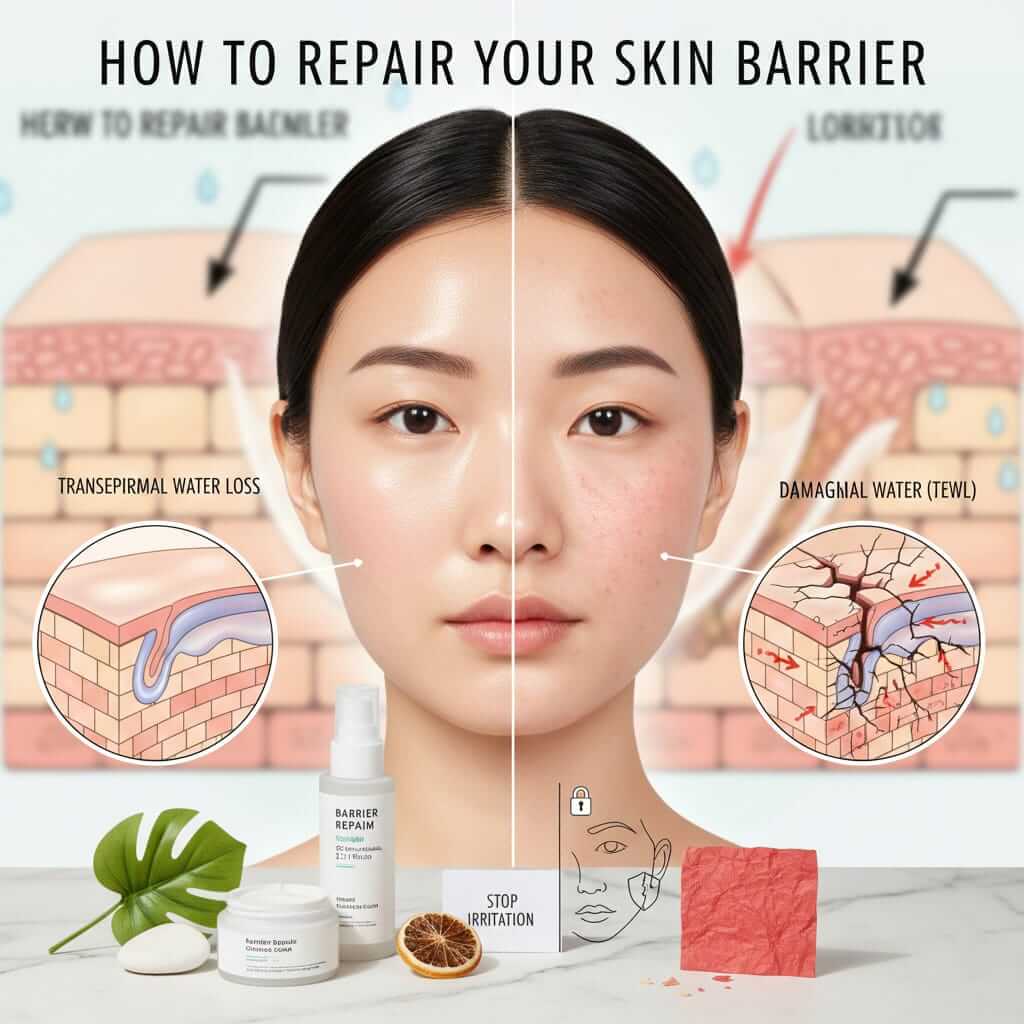
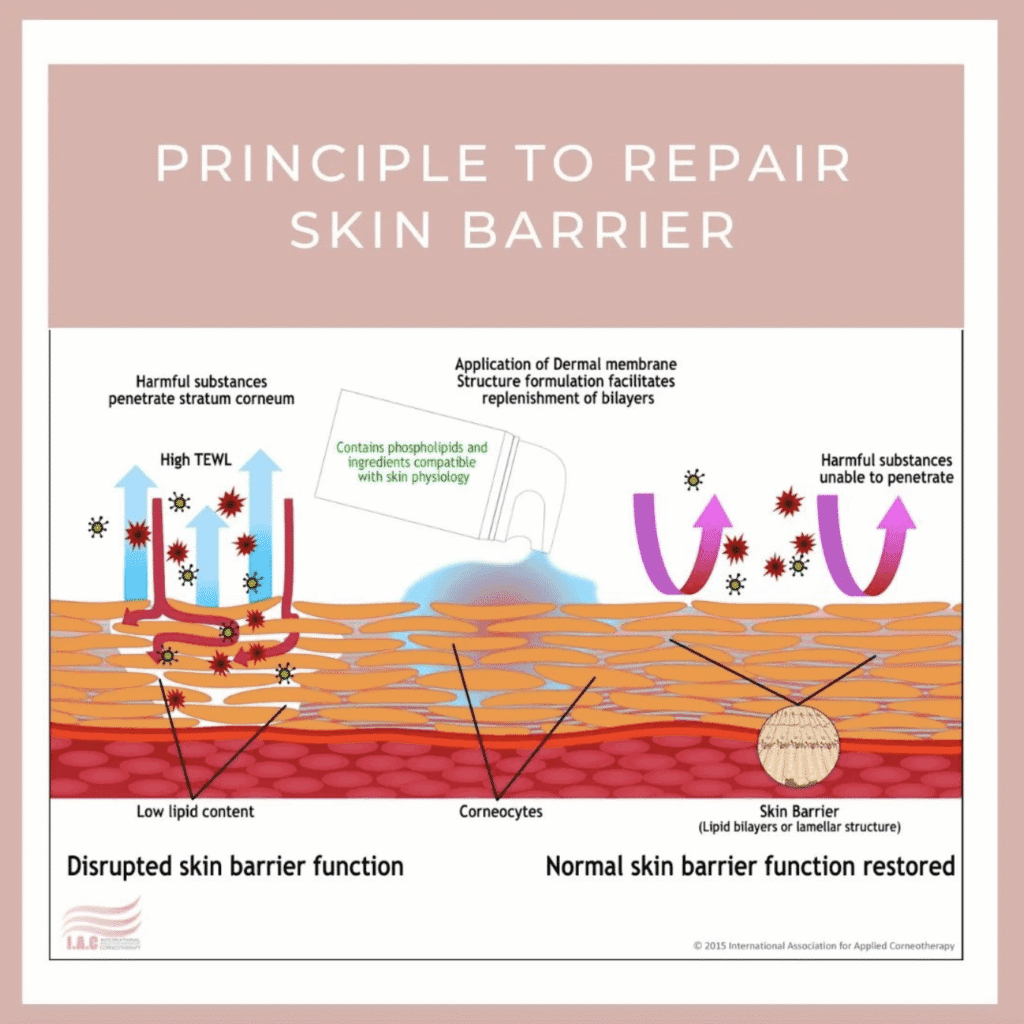
Your skin barrier is the outermost layer of your skin. Dermatologists call it the stratum corneum. Think of it like a brick wall. The skin cells are the bricks. The lipids — ceramides, cholesterol, fatty acids — are the mortar holding everything together.
When that wall is intact and healthy, everything works beautifully. Water stays in. Irritants stay out. Your skin looks plump, glowing, and feels comfortable. Your immune system is functioning properly. You can tolerate actives without problems.
When that wall breaks down? Everything falls apart.
A healthy skin barrier does three critical jobs: it prevents transepidermal water loss (keeps skin hydrated), it protects against irritants and bacteria, and it regulates inflammation and immune response. Lose your barrier, and you lose all three.
This is why barrier damage is serious. It’s not just about feeling uncomfortable or looking flaky. A compromised barrier affects every skincare goal you have — anti-aging, acne-fighting, brightening, everything.
How You’re Probably Damaging Your Barrier Right Now
Here’s the thing: you probably don’t know you’re damaging it until it’s already broken. The damage is cumulative. You’re fine one day, then suddenly you’re red and reactive and you can’t figure out why.
Over-exfoliation
This is the number one culprit. Exfoliating acids, retinoids, vitamin C, scrubs — they all remove the outer layer of your skin. A little bit is fine. Daily or multiple actives at once? You’re damaging your barrier. Dermatologists say over-exfoliation is the most common barrier-destroying mistake they see.
Multi-Step Routines with Too Many Actives
10-step Korean skincare routines look beautiful on Instagram, but most people using them don’t have the skin tolerance for that many products. Add a retinoid, vitamin C, glycolic acid, and niacinamide to a routine, and you’re overwhelming your skin’s ability to handle it.
Harsh Cleansers
Cleansers with sulfates strip your skin’s natural oils and disrupt your lipid barrier. Even though cleansing is important, using a harsh cleanser twice daily damages the barrier faster than just about anything else.
Retinoid Overuse
Retinol is incredible — until it isn’t. If you start too strong or don’t give your skin time to acclimate, retinoids aggressively damage your barrier. This is why “starting low and going slow” is so important.
Environmental Stressors
Cold, dry weather, UV exposure, pollution, even frequent hand-washing — all of these stress your barrier. Your skin is trying to protect itself from the outside world while you’re aggressively stripping it on the inside.
High Stress and Poor Sleep
When you’re stressed or sleep-deprived, your cortisol levels spike, which weakens your immune system and your skin’s ability to maintain its barrier. This is why your skin often breaks out when you’re stressed.
Frequent Washing and Water
Even water itself can damage your barrier. Hot water opens pores and strips lipids. Frequent washing removes protective oils. Chlorinated water in pools and showers stresses your skin.
Signs Your Skin Barrier Is Compromised
Before you panic, here’s what to look for:
Your skin suddenly feels tight and uncomfortable after cleansing. It’s red, inflamed, or reactive. You’re flaky and dry even though you’re moisturizing. Your skin burns when you apply products it used to tolerate fine. You’re breaking out despite having clear skin before. Your skin is itchy. Your skin feels sensitive to everything. You have visible inflammation or a rash.
If you have any of these, your barrier is compromised. The good news? You can fix it. It’s not permanent. It just requires patience and a strategic approach.
How to Repair Your Barrier (The Real Way)
Repairing a barrier is not complicated, but it does require discipline. You need to stop the damage, support healing, and be patient. Here’s exactly how:
STEP 1: Stop Using Everything Irritating
This is non-negotiable. Retinols, acids, vitamin C, benzoyl peroxide — all of it goes. Even if you love these products, using them while your barrier is compromised makes everything worse. Your barrier can’t repair itself if you keep damaging it.
This means simplifying your routine to the absolute basics: a gentle cleanser, a hydrating toner or essence, a barrier-supporting moisturizer, and sunscreen. That’s it. For now, less is everything.
STEP 2: Use a Gentle Cleanser
Your cleanser should be creamy and non-foaming. It should not leave your skin feeling tight or stripped. Gentle cleansers cost $15-25. You don’t need expensive ones. Look for: no sulfates, creamy texture, removes makeup without harsh scrubbing.
STEP 3: Add Barrier-Repairing Ingredients
These ingredients actually repair your barrier by replenishing the lipids that hold it together:
Ceramides: These are the most important. They mimic your skin’s natural lipid structure. Look for ceramide NP, AP, and EOP. Cholesterol: Works with ceramides to repair the lipid barrier. Fatty acids: Essential to barrier structure. Niacinamide: Reduces inflammation and supports barrier function. Centella asiatica: Soothes and reduces redness. Panthenol: Humectant that draws water into skin and reduces inflammation. Beta-glucan: Soothes and hydrates while supporting barrier integrity.
STEP 4: Moisturize Properly (The Barrier-Repair Way)
Your moisturizer should have a creamy, occlusive texture. It should actually feel protective on your skin. Lightweight serums and gels will not help. You need rich creams. Morning and night.
The golden formula for barrier repair: hydrating essence or toner, then a ceramide-rich cream, then (if needed) a facial oil to seal everything in. This layering approach keeps hydration in and irritants out.
STEP 5: Give It Time (Be Patient)
Your skin barrier repairs itself naturally over time. Skin cells turn over every 28 days when your barrier is healthy. If your barrier is compromised, it takes longer — usually 2-4 weeks of consistent barrier-repair care before you notice significant improvement.
Do not go back to your aggressive routine early. I cannot stress this enough. Most people start feeling better after 2 weeks, panic, and go back to actives. Then their barrier breaks again. Stick it out for at least 4 weeks before reintroducing anything.
STEP 6: Sun Protection (Critical)
A compromised barrier is more vulnerable to UV damage. Use SPF 30+ every single day. This is non-negotiable.
How to Use Actives Again (Once Your Barrier Is Fixed)
After 4 weeks of barrier-repair care, your skin should feel normal again. Smooth, calm, comfortable. Only then do you reintroduce actives. And you do it slowly.
Choose ONE active. Not three. One. Start 1-2 times per week. Wait 2-3 weeks before increasing frequency. Always, always use a good moisturizer after. Your barrier is stronger, but it’s not invincible.
Final Thoughts
The irony of skincare is that the most aggressive routines often produce the worst results. Because once your barrier is damaged, nothing works well. Serums don’t absorb. Treatments cause irritation. Your skin looks worse than before.
The people with the best skin aren’t using 10 products. They’re using the right products, with proper spacing, and they’re protecting their barrier. It looks boring. It looks simple. But it works.
If your skin is currently angry and reactive, that’s okay. It’s fixable. Simplify, be patient, and let your barrier repair itself. In 4 weeks, you’ll have normal skin again. Then you can carefully add back whatever actives you want. But this time, you’ll do it sustainably.
Written for Glowzey.com — Skincare that doesn’t hurt your skin.
Have you damaged your barrier? What’s helping it heal? Share in the comments! 🛡️✨
Related Posts
Get the Free Glowing Skin Bible
Our most popular step-by-step guide to clearer, healthier skin. Trusted by thousands of readers.
No spam. Unsubscribe anytime.