Magnesium Skincare: The Stress-Relieving Mineral Your Anxious Skin Actually Needs
Your skin is stressed. And I don’t mean the metaphorical kind.
Your skin is literally responding to your stress hormones right now. It’s why your breakouts always show up right before that big presentation. It’s why your eczema flares during exam season. It’s why your sensitive skin throws a fit exactly when you can’t afford to look bad.
Nobody talks about this. But 2026 is the year we finally realize: your skin isn’t angry. It’s anxious. And it desperately needs magnesium.
I discovered this three months ago when my dermatologist told me I was deficient in magnesium — not just as a mineral I should take, but as something my skin was literally screaming for. Within weeks of adding magnesium to my skincare routine, my stress-triggered breakouts stopped. My rosacea flares decreased. My skin actually looked calm for the first time in years.
This isn’t a coincidence. And it’s not just me. Skincare experts are calling 2026 “the year of stress-relief skincare,” and magnesium is at the center of that movement.
Why Your Skin Is Actually Stressed (And Magnesium Is the Answer)
Let me explain what’s actually happening when you’re stressed and your skin loses it.
When you’re anxious, your body releases cortisol — the stress hormone. Elevated cortisol does a lot of things to your body, but for your skin specifically, it: Triggers inflammation (which shows up as redness, acne, and sensitivity). Impairs your skin barrier function (which is why stressed skin feels dry and reactive). Disrupts hormone balance (leading to hormonal acne). Reduces collagen production (accelerating visible aging).
This is the key insight: your skin isn’t just reacting to your stress psychologically. Your stress hormones are literally changing your skin’s chemistry, barrier function, and aging process.
Magnesium is the mineral that counteracts all of this. It’s responsible for over 300 enzymatic processes in your body, including the ones that regulate your nervous system and manage stress hormones. When you have adequate magnesium, your body produces less cortisol. When cortisol is lower, your skin calms down.
What Magnesium Actually Does for Your Skin (The Real Science)
Magnesium works through multiple mechanisms to transform stressed, reactive skin:
Mechanism 1: Lowers Cortisol & Calms Your Nervous System
Magnesium is a natural GABA activator. GABA is your brain’s main calming neurotransmitter. When you have adequate magnesium, your nervous system is less reactive. You’re less anxious. Your skin reflects that calmness.
Mechanism 2: Reduces Inflammation at the Cellular Level
Magnesium down-regulates inflammatory markers in your body. This translates directly to less redness, reduced irritation, and calmer skin. If you have rosacea, eczema, acne, or psoriasis, magnesium helps quiet the inflammatory signals.
Mechanism 3: Supports Collagen Production
Your body needs magnesium to synthesize collagen efficiently. Without adequate magnesium, your collagen production slows down. This is a big deal because chronically stressed people are already producing less collagen due to elevated cortisol. Magnesium helps counteract this.
Mechanism 4: Strengthens Your Skin Barrier
Magnesium plays a direct role in barrier function. It helps your skin maintain its lipid layer and moisture retention. This is why magnesium skincare products feel so effective — they literally help your barrier do its job better.
Mechanism 5: Regulates Sebum Production
Stress triggers sebum overproduction, which leads to breakouts. Magnesium helps balance this by supporting hormonal equilibrium. Less sebum dysregulation = fewer stress-triggered breakouts.
Real Results: What Changes and When
Based on dermatological research and real-world use, here’s what you’ll actually see:
Week 1-2: Immediate Calming
Your skin looks less reactive. Redness decreases slightly. Your skin feels calmer, less prone to irritation from other products. This is the immediate effect of reducing inflammatory signaling.
Week 3-4: Visible Improvement
Breakouts start clearing. Dry patches hydrate better. Skin texture looks smoother. You notice your skin isn’t as sensitive — products that would normally irritate you feel fine now.
Week 8-12: Structural Changes
Your skin barrier is noticeably stronger. Fine lines look softer because collagen production has increased. Rosacea flares are less frequent. Stress-triggered breakouts become rare. Your skin actually looks more youthful and resilient.
How to Actually Use Magnesium Skincare (The Right Way)
Magnesium skincare works, but application method matters:
Topical Application: The Serum/Cream Method
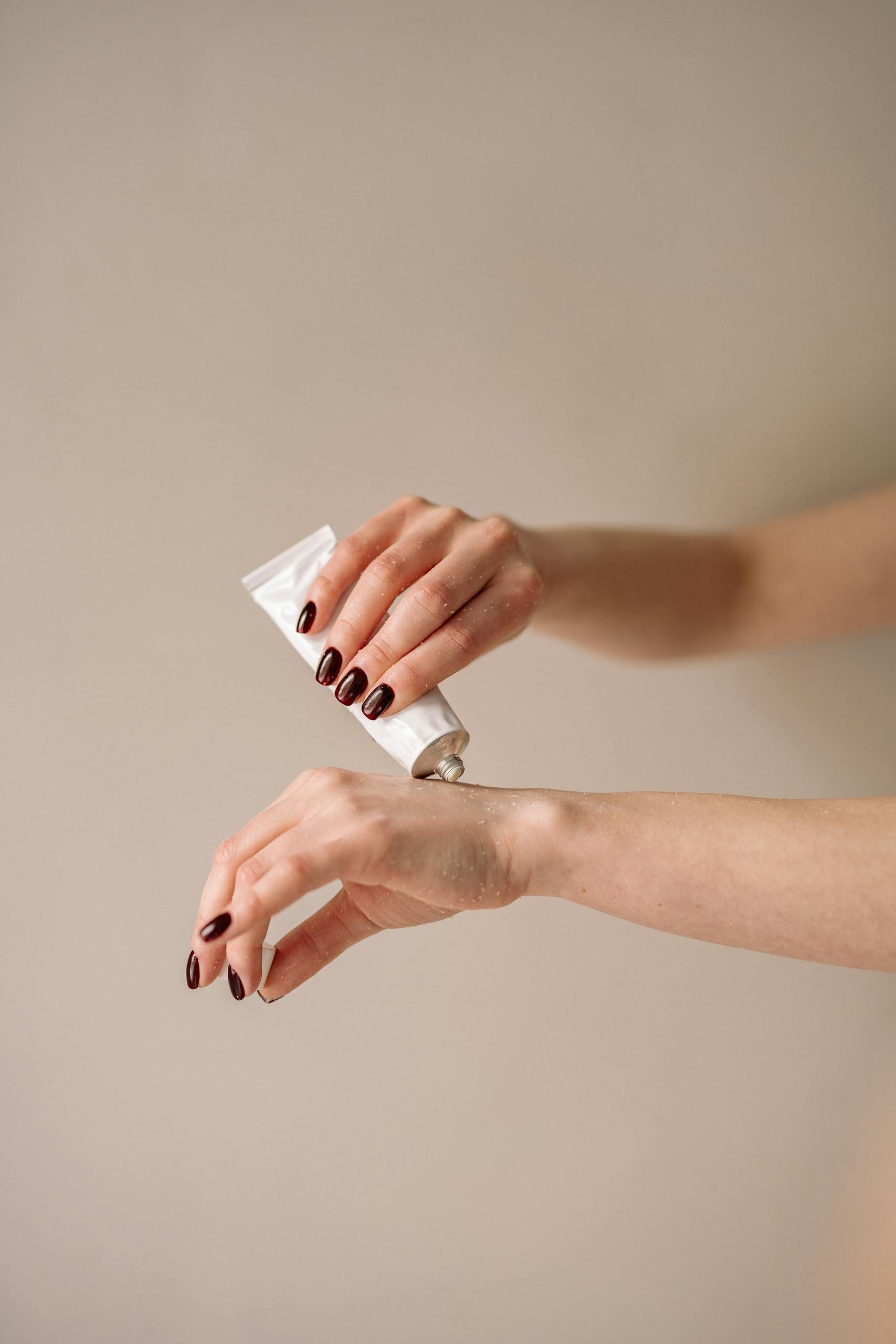
1. Apply to damp skin right after showering (warm water opens pores). 2. Use a gentle patting motion, don’t rub. 3. Layer with a hydrating moisturizer to lock it in. 4. Use 2-3 times per week initially, increase as tolerated. 5. Combine with other calming ingredients like ceramides, peptides, or centella asiatica.
Transdermal Absorption: The Bath Method
Epsom salt baths (which are magnesium sulfate) absorb through your skin. Soak for 20+ minutes, 2-3 times weekly. This addresses magnesium deficiency from inside-out while also calming your nervous system. Win-win.
Oral Supplementation: The Internal Approach
Most people are magnesium-deficient and don’t know it. Taking a magnesium supplement (200-400mg daily, consult a healthcare provider) ensures your body has adequate magnesium to support skin health, stress management, and collagen production. This is the foundation.
The Synergistic Approach: All Three
For maximum stress-relief skincare results: take a magnesium supplement, use topical magnesium serums 2-3x weekly, and soak in epsom salt baths. This addresses magnesium deficiency on all levels.
Best Magnesium Skincare Products to Try
Biossance Ectoin Overnight Rescue (contains magnesium + ectoin for barrier repair). Moon Juice Magnesium Supplement (200mg, supports internal magnesium levels). Higher Dose Magnesium Body Lotion (transdermal magnesium + hydration). Epsom Salt Baths (magnesium sulfate, budget-friendly). Trace Minerals Magnesium Spray (topical, fast absorption).
Who Actually Needs Magnesium Skincare?
Honestly? Most people. But specifically: People with stress-triggered breakouts or sensitivity. Anyone with rosacea, eczema, or chronic inflammation. People with compromised or reactive skin barriers. Anyone experiencing hormonal skin issues. People under chronic stress (which is most of us in 2026). Anyone deficient in magnesium (most of the population). People with psoriasis, atopic dermatitis, or similar conditions.
Final Thoughts
Skincare in 2026 is shifting from treating symptoms to treating root causes. Your anxiety isn’t your skin’s fault — but your skin is absolutely paying the price for your stress. Magnesium is the missing link between your mental wellness and your skin health.
This isn’t hype. This is biochemistry. Your skin cells need magnesium to function. Your nervous system needs magnesium to be calm. When you address the magnesium deficiency, everything changes — your stress levels, your skin’s resilience, your ability to actually recover from breakouts.
2026 is the year we stop blaming our skin and start supporting our stress. Magnesium is how you do that.
Written for Glowzey.com — Skincare that heals your stress.
Have you tried magnesium skincare? How has it changed your stressed skin? Share in the comments! 🧿✨
Related Posts
- How to Repair Your Skin Barrier (And Why You’re Probably Damaging It)
- Peptides Skincare: The 2026 Anti-Aging Breakthrough Everyone’s Talking About
- Gua Sha Facial Massage: The Ancient Technique That’s Fixing Modern Skin Problems
- Azelaic Acid: The Under-the-Radar Skincare Ingredient Everyone Should Be Using
Get the Free Glowing Skin Bible
Our most popular step-by-step guide to clearer, healthier skin. Trusted by thousands of readers.
No spam. Unsubscribe anytime.