The Korean Lash Lift Is Everywhere in 2026 — Here’s Exactly What It Is and Whether It’s Worth It
Something has been quietly happening in lash salons across the country over the last few months, and I think it deserves way more attention than it’s getting in mainstream beauty conversations.
Most people have at least heard of a lash lift at this point. It’s been a go-to low-maintenance treatment for years — you lie back, a technician reshapes your natural lashes into a semi-permanent curl, and you walk out looking like you woke up with naturally curled, wide-open eyes. No extensions, no mascara required, no daily lash curler. It’s simple and genuinely effective, and a lot of people swear by it.
But there’s a newer, upgraded version of this treatment that has exploded in popularity in 2026, and it comes with a very specific label: the Korean lash lift. Searches for this treatment in the US have surged by nearly 3,700 percent year on year according to booking platform Fresha. That is not a typo. Nearly four thousand percent. It has gone from something only the most lash-obsessed among us had heard of to one of the top beauty searches in the entire country, almost overnight.
So what actually is it? Is it genuinely different from the lash lift you’ve maybe already tried? And is it worth seeking out? I’ve gone deep on this one, and here’s everything you need to know.
First — What Even Is a Lash Lift?
Before we get into the Korean version specifically, it helps to have a clear picture of what a standard lash lift involves, because the differences between the two will make a lot more sense once you have that foundation.
A traditional lash lift is a semi-permanent treatment that reshapes your natural lashes using a chemical solution. During the appointment, your lashes are attached to a small silicone rod using adhesive, and a perming solution is applied to soften the hair structure so the lashes can be reshaped into a curl. A setting solution then locks that curl in place, and you leave the salon with lashes that appear longer, curled from the root, and much more defined — without a single extension being applied.
Results typically last around six to eight weeks depending on your natural lash growth cycle, and the main appeal is that it genuinely reduces the amount of time you spend on eye makeup in the morning. A lot of people find they can skip mascara entirely, or use just a very light coat. For anyone who has been curling their lashes daily and watching the curl drop within an hour, a lash lift is a revelation.
So if that already exists and works well, what’s the Korean version doing differently?
What Makes the Korean Lash Lift Different
This is where it gets interesting. The Korean lash lift isn’t just a marketing name for the same service. There are some genuinely meaningful differences in the technique, the formula, and the aesthetic result — and understanding those differences explains why so many people who have had traditional lash lifts before are now specifically seeking out the Korean version.
The formula is gentler
Traditional lash lifts typically use a chemical called ammonium thioglycolate — the same ingredient that’s been used in hair perming for decades. It works, but it can be quite drying and harsh on the delicate lash hair, especially when applied all the way to the tips. A lot of people notice their lashes feeling slightly more brittle or dry after a traditional lift, particularly if they have fine or fragile lashes.
The Korean technique uses a different active ingredient: cysteamine hydrochloride. Without getting too deep into the chemistry of it, cysteamine is an amino acid-derived compound that reshapes the lash structure more gently, without stripping it of moisture or leaving it feeling stiff. The Korean approach also incorporates nourishing serums — often containing hyaluronic acid and conditioning agents — throughout the treatment process, so lashes come out feeling soft and flexible rather than crunchy or dry. Beauty journalist reviews consistently describe Korean lash lifts as leaving the lashes feeling more like conditioned hair than processed ones.
The technique uses a double shield process
Another key difference is how the lashes are physically lifted during the treatment. Traditional lifts typically use a single silicone rod to curl the lash, which creates a fairly uniform C-shaped curl across the full length of the lash from root to tip.
The Korean method uses a two-step shield process — starting with a flat shield to relax and straighten the lash structure, then moving to a curved shield to lift the lashes from the root into the final shape. This two-step approach gives technicians much more control over the final result, and it’s particularly effective for lashes that are naturally very straight, very short, or that grow downward — all things that a single-rod traditional lift can struggle with.
No glue touching the lash
This one is worth knowing. Traditional lash lifts use adhesive directly on the lashes to fix them to the silicone pad. The Korean technique replaces this with a waxy balm or a specialized product that holds the lash in position without the same adhesive contact. For people with sensitive eyes or fine lashes, this is a significant improvement in comfort and in the health of the lashes post-treatment.
The aesthetic result looks different
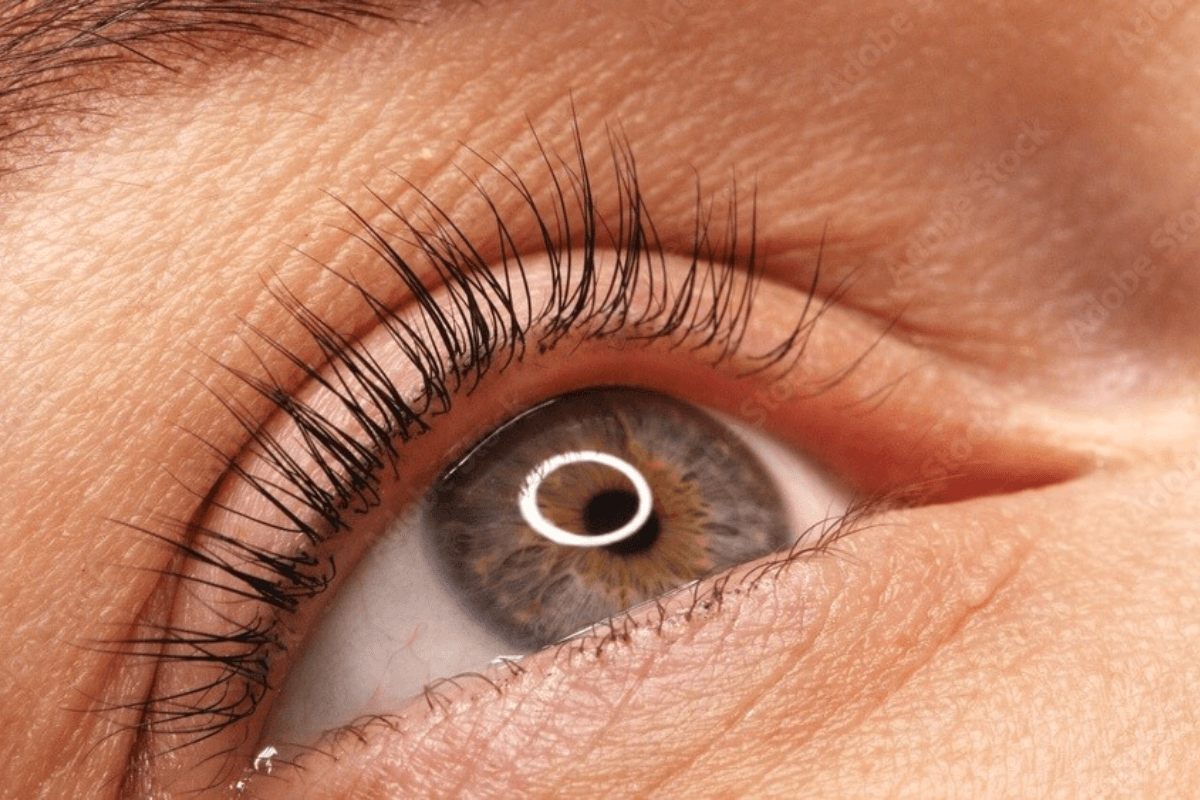
And finally — perhaps most importantly for most of us — the look that you get from a Korean lash lift is distinctly different from a traditional one. Where a standard lift creates a tight, rounded C-curl that’s quite dramatic and obvious, the Korean lift is going for something the industry describes as “straight but lifted” — the lashes go upward from the root in a clean, elegant sweep, with the rest of the lash shaft staying smooth and elongated rather than curling tightly.
The result is what a lot of people are calling a puppy-eye or doll-eye effect — a soft, youthful, wide-awake look that opens the eyes beautifully without looking like you’ve had a salon treatment. It’s the kind of result that makes people ask if you’ve had your lashes done or just whether you look particularly well-rested today. Which, honestly, is the ideal outcome.
‘After years of heavier lash extensions and dramatic eye looks, there’s a shift toward enhancing what you naturally have. A Korean lash lift delivers subtle, polished results that make daily mascara optional. In 2026, beauty feels less about transformation and more about optimization.’ — Jordan Feise, lash specialist
Why Is This Trending So Hard Right Now?
The timing of this trend makes a lot of sense when you look at where beauty is heading more broadly in 2026. There’s a very clear collective shift away from high-maintenance, high-drama beauty treatments and toward things that enhance what you naturally have, require less upkeep, and — crucially — are kinder to your actual skin and hair in the long run.
Lash extensions are a perfect example of something that has started to feel like too much for a growing number of people. They look incredible when fresh, but they require fills every two to three weeks, they can damage natural lashes over time with repeated wear, and the removal process is its own ordeal. For anyone who has been on the extension treadmill for a while, the idea of a treatment that works with your natural lashes, lasts six to ten weeks, requires virtually zero maintenance, and actually leaves your lashes in better condition than before — that’s an extremely appealing alternative.
The Korean beauty influence is obviously massive here too. K-beauty has been reshaping global skincare for years now, and that same philosophy — prioritizing health, gentleness, natural enhancement, and long-term results over short-term drama — has now fully arrived in lash treatments. The Korean lash lift is essentially the K-beauty approach applied to your eyes. It’s not about the most dramatic possible look. It’s about the best possible version of what you naturally have.
There’s also something to be said for the timing in terms of beauty fatigue. A lot of people have spent the last several years overcomplicating their routines, overspending on extensions, and generally doing too much. The Korean lash lift fits perfectly into the emerging “less but better” beauty mindset that’s defining 2026.
What to Expect at Your Appointment
If you’ve never had any kind of lash treatment before, here’s a straightforward walkthrough of what to expect from a Korean lash lift appointment — because it can sound quite involved when you first read about it, but in practice it’s genuinely one of the more relaxing beauty treatments you can have.
The whole appointment typically takes between 45 minutes and an hour. You’ll lie down on a treatment bed with your eyes closed for essentially the entire service, which — depending on how busy your life is — might be the most rest you get all week. Gel pads are placed under your eyes to protect the skin, and tape is used to keep your lower lashes separated and out of the way.
Your technician will cleanse your lashes first with a specialized lash shampoo to remove any residue, oils, or product buildup. Then the flat shield is applied to relax the lash structure, followed by the shaped shield to create the lift. The cysteamine solution is applied, the nourishing serums go on at the tips, and the whole thing is left to process — usually under a little plastic wrap to retain warmth and encourage the formula to work evenly. Then the solutions are removed, a setting lotion locks the shape in, and a final nourishing oil or serum is applied to condition the lashes before you open your eyes.
Many technicians also offer a lash tint as an add-on, which darkens the lashes and removes the need for mascara almost entirely. If you have lighter lashes or want maximum impact from the treatment, a tint at the same appointment is absolutely worth the extra few minutes and cost.
The immediate result can look slightly dramatic — very lifted, very separated, almost like a strip lash effect. This softens within 24 to 48 hours as the lashes settle, and the final result is noticeably more natural and wearable. Don’t judge the treatment by how it looks the day of.
The Aftercare — What You Need to Know
The most important aftercare instruction for any lash lift is the one that everyone tells you about and approximately half of people ignore: do not get your lashes wet for the first 24 hours after treatment. This means no washing your face in the way you normally would, no steaming, no gym sessions that will result in sweat near the eyes, no crying at emotional TV (plan accordingly).
The reason this matters is that the chemical process that reshaped your lashes needs time to fully set before it comes into contact with water. Getting them wet too soon can relax the curl before it’s fully locked in and result in a weaker lift that doesn’t last as long. It feels like a small inconvenience and it genuinely is — but it’s one worth honoring.
After that initial 24-hour window, maintenance is minimal. Avoid oil-based eye makeup removers directly on the lashes, as oils can break down the lift over time. A gentle water-based cleanser works perfectly. Some technicians recommend applying a small amount of castor oil or lash conditioning serum to the lashes a few times a week to keep them hydrated and healthy between appointments — this is optional but a nice habit to get into, especially if you plan to make lash lifts a regular part of your routine.
Results typically last six to ten weeks, and most technicians recommend spacing appointments at least eight weeks apart to protect lash health. Because the treatment works with your existing lashes, there’s no harsh grow-out line or obvious tell that it’s fading — the lashes simply and gradually return to their natural shape as new growth comes in.
Is It Right for Your Lashes?
Not everyone is automatically a perfect candidate for a Korean lash lift, and a good technician will tell you this honestly rather than just taking your booking.
The treatment works brilliantly for people with straight, downward-growing, or medium-length lashes — these are actually the people who tend to see the most dramatic difference, because their natural lashes haven’t been cooperating with them for years. If you have long lashes that already have some natural curl, the results will be more subtle but still lovely.
Where it doesn’t work as well is on very short or very sparse lashes. If there isn’t enough lash to work with, the lift has less to enhance, and some technicians will decline the treatment rather than give you a result that won’t satisfy. Extremely damaged or over-processed lashes — the kind that have been through too many extensions or previous treatments — also need time to recover before a lift is appropriate.
If you currently wear lash extensions, you’ll need to have them fully removed and give your natural lashes at least six to eight weeks to recover before booking a Korean lash lift. This timeline exists to protect your lash health, and rushing it is genuinely not worth it.
For those with sensitive eyes or a history of reactions to lash treatments, the Korean formula’s gentler chemistry makes it a more suitable option than a traditional lift — but always let your technician know about any sensitivities before the appointment so they can patch test if appropriate.
Finding a Good Technician
Because the Korean lash lift is still relatively new to mainstream US salons, not every lash technician offers it yet — and among those who do, the level of training and experience varies quite a bit. This matters more than it might with some beauty treatments, because the technique is specific and the formula needs to be applied correctly to get the gentle, natural result the treatment is known for.
When you’re searching for a technician, look specifically for salons or technicians that mention the Korean technique, the cysteamine-based formula, or the double-shield process in their service descriptions. Check before-and-after photos on their social media — you’re looking for results that look lifted and natural rather than tightly curled or spidery. Reviews that mention lash health after the treatment are a good sign. And don’t be shy about asking questions at a consultation; a confident, well-trained technician will be able to explain exactly what they’re doing and why.
Booking through platforms like Fresha is a useful starting point since you can filter by treatment type, read reviews, and often see photos from real clients. The trend is growing fast enough that options are expanding in most US cities, so availability is less of an issue than it was even six months ago.
The Bigger Picture
I think the Korean lash lift is interesting not just as a beauty treatment, but as a reflection of where our collective relationship with beauty is right now. There’s a genuine hunger for things that feel considered rather than excessive, that work with your natural features rather than covering them up, and that give you back time in your morning routine rather than adding more steps to it.
Extensions are still beautiful. A dramatic curl is still beautiful. Nobody is saying there’s a wrong way to do your lashes. But there’s something that feels very right about a treatment that says: your own lashes are enough, they just need a little lift.
If you’ve been curious about this trend every time it pops up on your For You page, take it seriously. This one isn’t going away anytime soon.
Written for Glowzey.com — Beauty that makes sense for real life.
Loved this? Share it with someone who’s been thinking about getting a lash treatment. 👁✨