Mood in a Bottle: How Wellness Fragrances & Functional Scents Are Rewriting the Perfume Rules in 2026
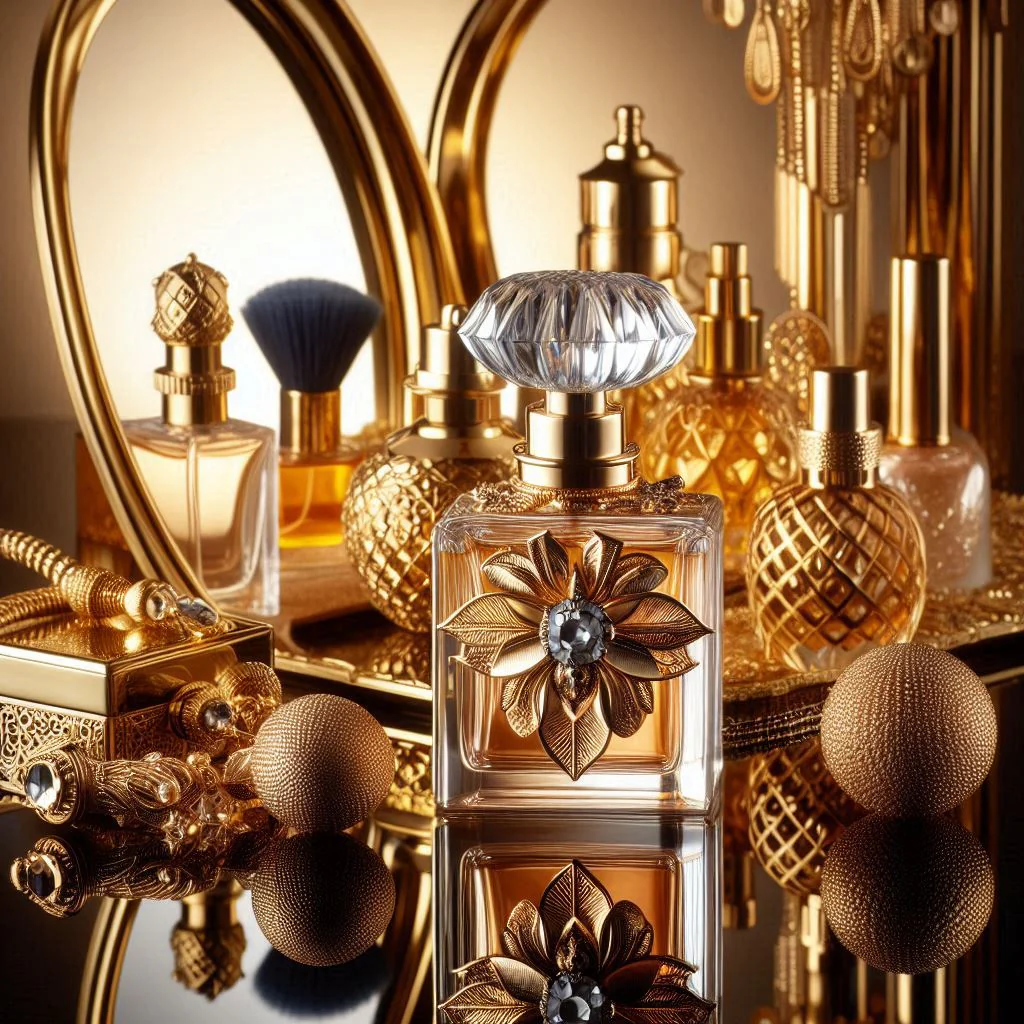
There’s a shift happening in the fragrance world that feels genuinely significant — one that goes beyond seasonal notes and flankers and celebrity launches. In 2026, the most interesting conversations in perfumery aren’t about what smells good. They’re about what smells good and does something.
Welcome to the era of functional fragrance. It’s a world where lavender isn’t just a pretty floral note but a scientifically considered mood modifier. Where a citrus top note isn’t just refreshing but intentionally uplifting. Where brands are starting to back up their emotional promises with actual neurological research — and where consumers, increasingly burned out and wellness-hungry, are more than ready to believe them.
Whether you’re a fragrance obsessive who wants to understand where the industry is heading, or someone who’s never given much thought to their scent choices beyond “this smells nice,” 2026 is a genuinely fascinating time to pay attention. Here’s everything happening.
What Is Functional Fragrance, Really?
The term “functional fragrance” sounds like marketing language, and frankly, some of it is. But the underlying science is real. Smell is the only one of our five senses with a direct pathway to the limbic system — the part of the brain responsible for emotion and memory. This is why a specific scent can instantly transport you to a childhood memory, or why certain smells make you feel anxious or calm without any conscious reasoning.
What brands and fragrance houses are now doing is building products that intentionally leverage this connection. Rather than simply crafting scents that smell appealing, they’re engineering scent profiles specifically to achieve emotional and physiological outcomes: reducing cortisol (the stress hormone), boosting serotonin levels, promoting focus or relaxation, inducing a sense of nostalgia or comfort.
Technology is playing a significant role here. AI is being used by some brands to translate complex sensory experiences into emotional language — moving beyond traditional descriptions of top, middle, and base notes to communicate how a fragrance actually feels: grounding, transportive, energising, comforting. This makes it far easier for consumers to find scents that genuinely resonate, even before trying them in person.
The term circulating in industry circles is “neuro-fragrance” — a category that pairs aromachological research (the study of how scent affects psychology and behaviour) with sophisticated delivery technology to create products with consistent, measurable mood effects. It’s still a young field, but the direction of travel is unmistakable.
The Wellness Fragrance Wave: Lavender, Citrus & the Mood Menu
If you want to understand how functional fragrance is being positioned for mainstream consumers in 2026, look at how the major trend forecasters are framing their scent categories. Where previous years organised fragrances around aesthetic families (florals, woods, orientals, aquatics), the emerging vocabulary is almost entirely emotional.
Lavender-forward scents are positioned as the calm option — for winding down, for stress relief, for sleep rituals. Citrus profiles (including the breakout star yuzu — more on that in a moment) are positioned as energising and focus-enhancing. Rich, warm gourmands — vanillas, caramels, almonds — are positioned as comfort and nostalgia. And a newer category of so-called “sophisticated gourmands” featuring unexpected elements like pistachio, sesame, rice, and creamy milk accords are emerging as the next evolution of the feel-good fragrance.
This last point is worth dwelling on. The fragrance industry is making a significant move from sweet, dessert-like gourmands (the sugar-bomb vanillas that dominated the early 2020s) toward what experts are calling “savoury gourmands” — still warm, still comforting, but with a more complex, grown-up character. Think less birthday cake, more artisan patisserie. Notes of toasted sesame, warm rice, nutty accords, and rich creamy milk are appearing in new launches from major fragrance houses and indie brands alike, and the early reception has been strong.
Yuzu: The Citrus That’s Taken Over Everything
If there’s a single ingredient that embodies the 2026 fragrance moment, it might be yuzu. This East Asian citrus — a hybrid of mandarin and ichang papeda native to Japan and South Korea, with a flavour profile somewhere between grapefruit and mandarin — has been a staple of Japanese and Korean cuisine and wellness practices for centuries. In 2026, it’s having an unmistakable global beauty moment.
In fragrance, yuzu brings what perfumers describe as an optimistic, fizzy freshness — bright and lively without being sharp or synthetic. It layers beautifully with floral, woody, and even musky base notes, giving it genuine versatility across different fragrance profiles. It’s been showing up in launches ranging from niche perfumeries to mass-market body care, and the numbers support the enthusiasm: industry tracking shows yuzu-related conversations among beauty influencers growing dramatically year over year.
But yuzu isn’t just a fragrance note. It’s also making significant inroads in skincare (where it’s valued for its brightening, collagen-supporting, and antioxidant-rich profile) and haircare (where its antioxidant properties help protect against environmental damage). It’s one of those rare beauty ingredients that crosses categories seamlessly, and if you’ve been curious about K-beauty’s expanding influence on Western markets, yuzu is a perfect illustration of how that influence works — in both scent and function.
Eau de Parfum Is the New Standard
One quiet but significant shift in the fragrance market in 2026 is the ongoing move toward higher-concentration formats. Consumer demand for eau de parfum and parfum concentrations — as opposed to the lighter eau de toilette — has been rising steadily, and 2026 is seeing this trend mature into a genuine market shift.
The reasons are practical as much as aspirational. Higher concentration means longer wear, stronger projection, and better value over time — you need less product per application when the fragrance is more intense. There’s also a perception element at play: in an era of intentional, considered beauty purchases, consumers are choosing fewer, better things. A quality eau de parfum fits that mindset perfectly. Fragrance refill systems are also gaining traction in this space, allowing consumers to keep their beautiful bottle while reducing packaging waste — a sustainability angle that resonates strongly with younger buyers.
Gender-Neutral Scents & the Dismantling of Fragrance Categories
The gradual erosion of the traditional masculine/feminine fragrance divide has been one of the most consistent trends of the past decade, and in 2026, it feels definitively mainstream. The idea that woody, smoky, or musky scents belong to men while florals and gourmands belong to women is increasingly irrelevant — both to younger consumers who never particularly bought into the division, and to fragrance houses that have recognised the commercial and creative limitations of the binary.
What’s replacing it isn’t a single “unisex” category but rather a much more fragmented, personal landscape: wear what resonates with your identity and your emotional needs, regardless of the gender it was supposedly designed for. This is entirely consistent with the broader wellness fragrance conversation — if you’re choosing a scent because it makes you feel calm, or focused, or joyful, the question of whether it was designed “for you” demographically becomes irrelevant.
Fragrance brands that have built their identities around this philosophy — stripped of gendered marketing, focused entirely on the emotional experience of the scent — are performing particularly well with younger, beauty-literate consumers who value authenticity over convention.
Body Care Fragrance: Function Is Now Non-Negotiable
One area where the functional fragrance conversation is having the most immediate practical impact is body care. For years, body washes, lotions, and sprays succeeded primarily on the strength of their scent storytelling. A beautifully named, pleasantly fragranced body lotion was enough. In 2026, it isn’t.
Consumers are increasingly demanding that their fragranced body care products deliver genuine skincare benefits alongside the sensory experience: hydration, barrier support, exfoliation, skin-tone improvement, long-lasting odour control that doesn’t just mask but actively manages. Brands that are building their body care ranges around this hybrid philosophy — where the fragrance is the sensory hook but the formula does real work — are pulling ahead of competitors who are still leading with scent alone.
This is part of a broader convergence between fragrance and skincare that defines the 2026 beauty moment: the idea that beauty products should address multiple needs simultaneously, that your senses and your skin health aren’t separate concerns, and that the most sophisticated products are the ones that honour both.
How to Shop Fragrance in 2026
The fragrance market is bigger and more complex than ever, and the wellness angle has made it simultaneously more personal and more navigable. Here’s how to approach it: start with your emotional intention. Do you want something that helps you decompress? Look for lavender, chamomile, or warm sandalwood. Do you want to feel energised and optimistic? Explore citrus profiles — yuzu, bergamot, mandarin — or clean green accords. Do you want comfort and nostalgia? The new wave of savoury gourmands will likely speak to you.
Don’t be afraid to ignore the gender category entirely. Wear what works on your skin chemistry and serves your mood. Invest in a higher concentration for daily wear — the longevity is worth it. And if sustainability matters to you, look for brands offering refill systems or transparent information about their ingredient sourcing and environmental footprint.
Fragrance in 2026 is an invitation to be more intentional about something most of us have always chosen intuitively. That intentionality doesn’t make it less pleasurable — if anything, understanding why a scent makes you feel a certain way makes the whole experience richer. Wear it with purpose.
“What does your signature scent say about your mood? Tell us in the comments — we love hearing how fragrance fits into your routine. Follow us on Glowzey for more beauty deep-dives, trend reports, and community conversations.“