Acne: Causes, Types, Treatments, and Skincare Solutions That Actually Work
Acne is one of the most common skin concerns worldwide, affecting teenagers and adults alike. While it is often associated with adolescence, acne can persist well into adulthood, impacting confidence, self-esteem, and overall skin health. The good news? Acne is manageable—with the right knowledge, skincare routine, and evidence-based products.
In this comprehensive guide, we’ll explore what acne really is, its causes and types, effective treatments, and modern skincare solutions that help achieve clearer, healthier skin.
What Is Acne?
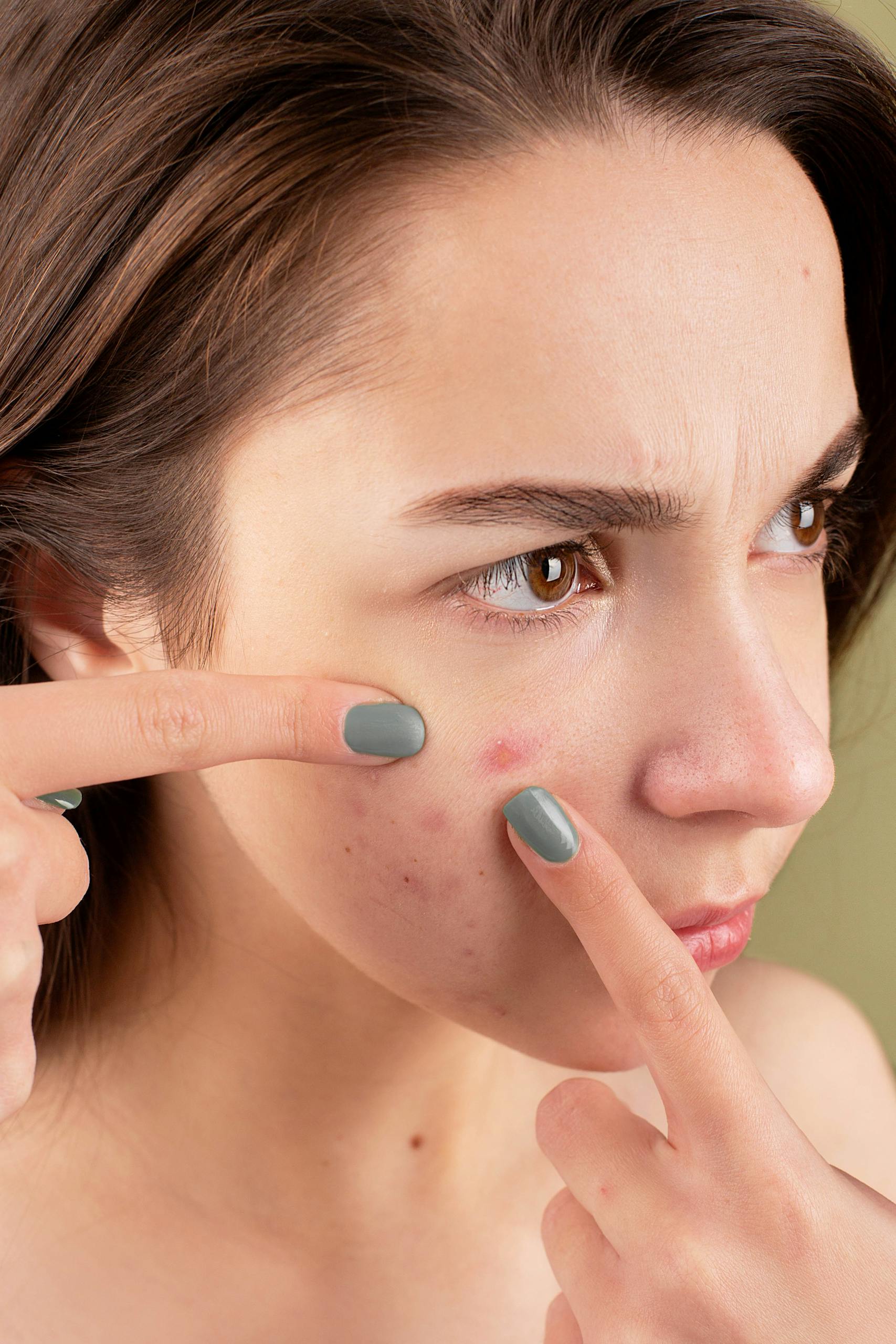
Acne is a skin condition that occurs when hair follicles become clogged with oil (sebum), dead skin cells, and sometimes bacteria. This blockage leads to inflammation, resulting in pimples, blackheads, whiteheads, or cysts.
Acne most commonly appears on the:
- Face
- Forehead
- Chest
- Back
- Shoulders
These areas have the highest number of oil-producing (sebaceous) glands.
Common Causes of Acne
Understanding the root cause of acne is the first step toward effective treatment.
1. Excess Oil Production
Sebaceous glands produce oil to protect the skin, but excess oil can clog pores and trigger breakouts.
2. Hormonal Changes
Hormones play a major role in acne—especially during:
- Puberty
- Menstrual cycles
- Pregnancy
- Stress
Hormonal acne is very common in adult women.
3. Clogged Pores
Dead skin cells that don’t shed properly can mix with oil and block pores, creating an ideal environment for acne.
4. Bacteria (Cutibacterium acnes)
When bacteria multiply inside clogged pores, they cause inflammation, redness, and painful breakouts.
5. Diet and Lifestyle
While not the sole cause, some studies link acne flare-ups to:
- High-glycemic foods
- Dairy products
- Chronic stress
- Poor sleep
6. Wrong Skincare Products
Heavy, comedogenic products can worsen acne. Using products not suited to your skin type is a common mistake.
Types of Acne You Should Know
Not all acne is the same, and treatment depends on the type.
1. Whiteheads
Small, closed clogged pores beneath the skin surface.
2. Blackheads
Open clogged pores that appear dark due to oxidation—not dirt.
3. Papules
Small, red, inflamed bumps without pus.
4. Pustules
Inflamed pimples filled with pus (classic “pimples”).
5. Nodules
Large, painful lumps deep under the skin.
6. Cystic Acne
Severe acne that forms deep, pus-filled cysts and often leads to scarring.
Acne in Adults: Why It Happens
Adult acne is increasingly common, especially among women aged 25–45. Causes include:
- Hormonal imbalance
- Stress
- Environmental pollution
- Inconsistent skincare routines
- Use of harsh products
Adult acne often appears around the jawline, chin, and cheeks and may be more stubborn than teenage acne.
Effective Acne Treatment Options
1. Gentle Cleansing
Over-cleansing strips the skin and increases oil production. Use a gentle, pH-balanced cleanser twice daily.
2. Active Ingredients That Work
Look for products containing:
- Salicylic Acid – unclogs pores
- Benzoyl Peroxide – kills acne-causing bacteria
- Niacinamide – reduces inflammation and redness
- Retinoids – boost cell turnover
- Azelaic Acid – helps acne and pigmentation
Consistency matters more than strength.
The Importance of Moisturizing Acne-Prone Skin
One of the biggest myths is that acne-prone skin doesn’t need moisturizer. In reality, dehydrated skin produces more oil, leading to more breakouts.
Choose:
- Lightweight
- Oil-free
- Non-comedogenic moisturizers
Hydration supports the skin barrier and speeds healing.
Acne Scars and Hyperpigmentation
Acne doesn’t always end with pimples—scars and dark spots often remain.
Types of Acne Marks
- Post-Inflammatory Hyperpigmentation (PIH) – dark spots
- Atrophic Scars – indented scars
- Hypertrophic Scars – raised scars
Ingredients like retinol, vitamin C, peptides, and exfoliating acids help improve texture and tone over time.
Sun Protection: A Must for Acne Skin
Sun exposure worsens acne marks and delays healing. Daily sunscreen:
- Prevents pigmentation
- Protects skin barrier
- Enhances treatment results
Use a non-greasy, broad-spectrum SPF 30+ suitable for sensitive skin.
Modern Skincare Solutions for Acne
Today’s skincare combines science and innovation to treat acne more effectively than ever before. From barrier-repair formulas to targeted treatments, modern products focus on long-term skin health rather than harsh quick fixes.
At Glowzey, we curate skincare solutions designed for acne-prone skin—products that balance oil control, hydration, and skin repair without irritation. Choosing the right formulation makes a visible difference over time.
Lifestyle Tips to Support Clear Skin
While skincare is essential, lifestyle habits also matter:
- Drink enough water
- Avoid touching or picking acne
- Change pillowcases regularly
- Clean makeup brushes weekly
- Manage stress through sleep and mindfulness
Small changes can significantly improve skin clarity.
When to See a Dermatologist
If acne is:
- Painful
- Persistent
- Causing scarring
- Affecting mental health
Professional guidance is important. Prescription treatments may be required for moderate to severe acne.
Final Thoughts: Acne Is Treatable
Acne is not a reflection of poor hygiene or self-care—it’s a complex skin condition influenced by biology, lifestyle, and environment. With the right approach, clearer, healthier skin is achievable.
By understanding your skin type, using proven ingredients, and choosing well-formulated products, you can manage acne effectively and restore confidence in your skin.
Explore Glowzey’s curated skincare recommendations and discover acne-friendly solutions designed to support real skin health.