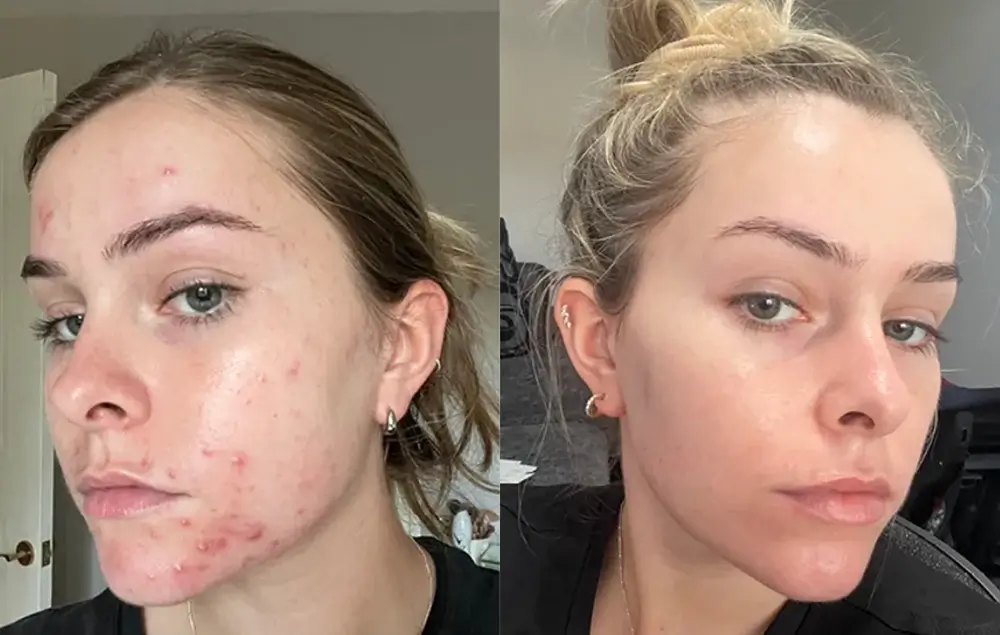
Azelaic Acid: The Under-the-Radar Skincare Ingredient Everyone Should Be Using
There’s this thing about skincare trends. The ones that get the most hype are usually the ones with the flashiest marketing. Retinoids have cool celebrity endorsements. Vitamin C serums are everywhere. Hyaluronic acid is sold in literally every drugstore.
And then there’s azelaic acid. The quiet overachiever. The ingredient that dermatologists recommend constantly but almost nobody talks about. The product that works for acne, AND rosacea, AND hyperpigmentation, AND sensitive skin — but somehow never makes it onto the “must-haves” listicles.
I think that’s changing. Azelaic acid demand is up 49% year-over-year, with 165,000+ monthly searches. Brands are quietly adding it to their lineups. Dermatologists keep mentioning it. And honestly, once you understand what it does and how to use it, you wonder why it isn’t talked about more.
What Is Azelaic Acid (And Why Haven’t You Heard of It?)
Azelaic acid is a naturally occurring acid found in grains like barley, wheat, and rye. It’s also naturally produced by a yeast that lives on healthy human skin, which is kind of cool — your skin is literally making this compound already.
In skincare products, it’s typically lab-engineered (because that’s more stable and effective) and comes in concentrations ranging from 10% in over-the-counter products to 15-20% in prescription formulas.
The reason you haven’t heard much about it? Probably because azelaic acid doesn’t have a catchy marketing story. It’s not trendy. It’s not new. It’s been prescribed by dermatologists for literal decades. It’s just… really good at what it does, so people who use it tend to actually stick with it instead of switching every season.
Azelaic acid is one of the few skincare ingredients that multitasks without irritation. It treats acne, reduces rosacea redness, fades hyperpigmentation, and it’s safe for sensitive skin. That’s genuinely rare.
What Does Azelaic Acid Actually Do?
This is where azelaic acid gets interesting. It has multiple mechanisms of action, which means it attacks skin problems from multiple angles at once.
It Kills Acne-Causing Bacteria
Azelaic acid has antibacterial properties that target Propionibacterium acnes (P. acnes), the bacteria that causes acne. It’s not as aggressive as benzoyl peroxide, which means it causes less irritation. But it’s clinically proven effective — studies show 70% reduction in comedones with 20% azelaic acid.
It Reduces Inflammation & Rosacea
Rosacea is all about inflammation and redness. Azelaic acid’s anti-inflammatory properties are genuinely remarkable here. Meta-analysis of 20 clinical trials showed that azelaic acid significantly reduced erythema (redness), inflammatory lesion counts, and overall improvement compared to placebo. And it was MORE effective than metronidazole, the standard rosacea treatment.
It Fades Hyperpigmentation & Dark Spots
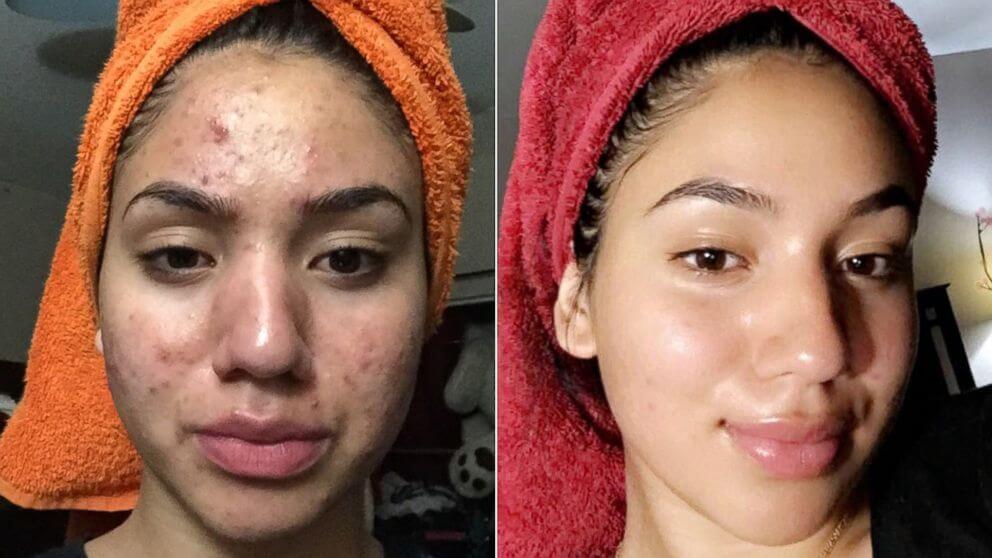
Azelaic acid inhibits tyrosinase, the enzyme responsible for melanin production. This makes it particularly good for fading post-inflammatory hyperpigmentation (dark marks left behind by acne), melasma, sunspots, and even acne scars. Unlike some brightening ingredients, it doesn’t damage healthy skin — it only targets the hyperpigmented areas.
It Unclogs Pores Gently
Azelaic acid normalizes keratinization — the process where dead skin cells clog your pores. It’s a gentle exfoliant that keeps pores clear without being irritating, which is why it works for sensitive skin that can’t tolerate stronger exfoliants.
It’s an Antioxidant
Beyond all that, azelaic acid is also antioxidant, which means it protects skin from free radical damage and oxidative stress. This contributes to long-term skin health and aging prevention.
Who Should Actually Use Azelaic Acid?
Here’s the thing: azelaic acid might be one of the few ingredients that actually benefits almost everyone. Not because everyone needs to treat acne or rosacea, but because the benefits extend further than that.
If you have acne:
Azelaic acid is excellent for mild to moderate acne, including hormonal acne. It’s also particularly useful if you have acne-prone sensitive skin and don’t tolerate stronger ingredients like benzoyl peroxide or salicylic acid well. It reduces bacteria, inflammation, and helps fade acne scars.
If you have rosacea:
Azelaic acid is honestly a game-changer for rosacea. It reduces the redness, the bumps, the irritation. Clinical evidence shows 70-80% of people see improvement in rosacea symptoms. It’s actually recommended as a first-line treatment by dermatologists.
If you have hyperpigmentation or dark spots:
Post-acne marks, melasma, sunspots — azelaic acid fades them all. It’s particularly effective for people with darker skin tones who are prone to post-inflammatory hyperpigmentation.
If you have sensitive skin:
Here’s where azelaic acid surprises people. It’s gentle. It doesn’t disrupt your skin barrier. It’s one of the few actives that sensitive skin can use daily without freaking out. This makes it perfect if you want to treat acne or rosacea without irritation.
If you’re pregnant or breastfeeding:
Azelaic acid is one of the few skincare actives that’s actually safe to use during pregnancy and while breastfeeding. If you develop hormonal acne during this time, azelaic acid is genuinely your best option.
How to Use Azelaic Acid (The Right Way)
Here’s where people often go wrong with azelaic acid. They use it inconsistently, or they use the wrong strength, or they don’t give it enough time to work. Azelaic acid isn’t a “quick fix” ingredient — it’s a “consistency over time” ingredient.
Pick the Right Concentration
Over-the-counter products are typically 10% azelaic acid. Prescription products are 15-20%. If you’re starting out, 10% OTC is a fine entry point. If your skin tolerates it well, you can move to prescription-strength for potentially better results, but it’s not necessary for most people.
Use It Daily (Consistently)
Azelaic acid works through consistency. You need to use it daily to see results. Not twice a week. Not “when you remember.” Daily. Once or twice daily, depending on your skin’s tolerance.
Apply to Clean, Dry Skin
Cleanse your face and wait for it to dry completely. Apply a pea-sized amount to your whole face (or just the affected areas if you prefer). It goes on before moisturizer.
Start Slowly & Be Patient
Some people experience mild stinging or tingling when they start azelaic acid. This is normal and usually subsides. Start with once daily application, increase to twice daily as tolerated. Give it 4-6 weeks before expecting results for acne, up to 12 weeks for hyperpigmentation.
Always Wear SPF
Especially if you’re using azelaic acid for hyperpigmentation, UV protection is critical. Without sunscreen, you’ll undo your progress by exposing yourself to sun damage. SPF 30+ every single day.
What to Combine It With (And What to Avoid)
Azelaic acid layers beautifully with most ingredients. You can combine it with hyaluronic acid, niacinamide, ceramides, and peptides without issue.
You can also use it with retinoids (use azelaic acid in the morning, retinoid at night), though if you have sensitive skin, introduce them gradually.
Avoid combining azelaic acid with too many other actives at once. Don’t use it with strong AHAs or BHAs every single day — that’s overkill and will irritate your skin. Keep it simple until your skin adjusts.
Real Expectations: What Azelaic Acid Actually Delivers
I think part of why azelaic acid is underrated is that people expect dramatic results immediately. Here’s the honest timeline:
For acne: You’ll see improvement in inflammation within 2-3 weeks. Actual lesion reduction takes 4-6 weeks of consistent use. After 8-12 weeks, you should see meaningful improvement in breakouts and a reduction in future acne.
For rosacea: Redness and bumps improve within 4 weeks, with better results by 8-12 weeks. The key is consistency — missing doses reduces efficacy.
For hyperpigmentation: Dark spots take longer. You’re looking at 12-16 weeks of consistent daily use to see significant fading. But the results are worth it because azelaic acid actually works on stubborn spots that vitamin C or other brighteners won’t touch.
Why Dermatologists Actually Recommend It
If azelaic acid were more expensive or required a prescription, it would probably be hyped more. But it’s affordable, accessible, effective, and safe. Dermatologists love it because it works and because it works for the people that other treatments don’t work for — sensitive skin, pregnant women, people with darker skin tones prone to hyperpigmentation.
A meta-analysis of 43 clinical trials (covering thousands of participants) demonstrated that azelaic acid is more effective than placebo for acne, rosacea, and melasma. The evidence is solid.
Final Thoughts
Azelaic acid is proof that the best skincare ingredients aren’t always the most talked about. It’s not trendy. It’s not Instagram-friendly. But it works, it’s gentle, and it’s actually one of the most versatile actives you can add to your routine.
If you have acne, rosacea, hyperpigmentation, or sensitive skin, and you haven’t tried azelaic acid yet, you genuinely should. It might not be as exciting as retinoids, but it’s probably more effective for what you’re dealing with. And that matters more than hype.
Written for Glowzey.com — Skincare that actually works.