
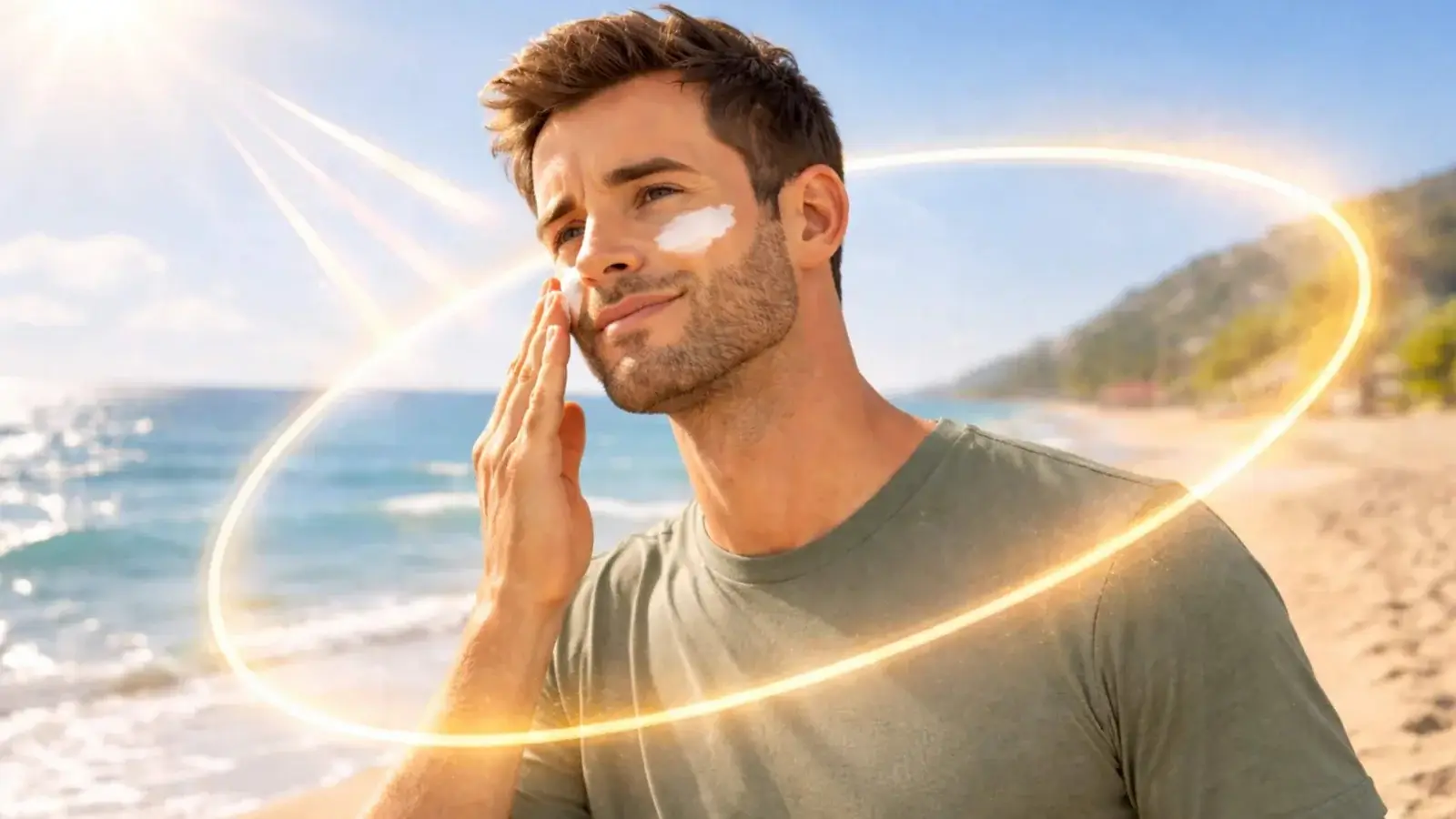
Daily SPF Habits for Healthy Skin: The Complete Guide to Sun Protection in 2026
When it comes to skincare, trends come and go. One year it’s retinol, the next it’s peptides or glass skin. But if dermatologists worldwide agree on one skincare habit that truly makes a difference, it’s wearing sunscreen every single day.
Despite growing awareness about skincare, many people still skip sunscreen unless they’re heading to the beach or spending hours outdoors. The truth is that harmful ultraviolet (UV) rays affect your skin every day—even when it’s cloudy, cold, or you’re mostly indoors.
Daily SPF use is one of the simplest yet most effective ways to protect your skin from premature aging, hyperpigmentation, sunburn, and even skin cancer. Whether you’re in your twenties trying to prevent wrinkles or in your forties looking to maintain healthy skin, sunscreen deserves a permanent place in your skincare routine.
In this guide, you’ll learn why SPF matters, how to choose the right sunscreen, common mistakes to avoid, and practical habits that can help keep your skin healthy for years to come.
What Is SPF and Why Does It Matter?
SPF stands for Sun Protection Factor. It measures how well a sunscreen protects your skin from UVB rays, which are primarily responsible for sunburn and can contribute to skin cancer.
However, modern sunscreens also provide protection against UVA rays. These rays penetrate deeper into the skin and are largely responsible for:
- Fine lines
- Wrinkles
- Loss of elasticity
- Dark spots
- Uneven skin tone
- Premature aging
Think of sunscreen as an invisible shield that helps defend your skin against daily environmental damage.
Without protection, UV exposure accumulates over time. Even small amounts of sun exposure during your daily commute, driving, walking, or sitting near windows can contribute to long-term skin damage.
Why Daily SPF Is More Important Than Ever
Many people underestimate how much sun exposure they receive each day.
Consider these common situations:
- Driving to work
- Walking the dog
- Sitting near office windows
- Running errands
- Outdoor exercise
- School drop-offs
- Gardening
Even brief periods of unprotected exposure add up over months and years.
Research consistently shows that regular sunscreen use can help:
- Reduce visible signs of aging
- Prevent sunburn
- Lower skin cancer risk
- Minimize hyperpigmentation
- Protect collagen and elastin
If you’re investing money in serums, moisturizers, and anti-aging treatments, skipping sunscreen can undermine many of those benefits.
How UV Rays Damage Your Skin
Understanding what happens beneath the surface can make sunscreen feel much more important.
When UV radiation penetrates the skin, it can:
Break Down Collagen
Collagen is responsible for keeping skin firm and youthful. Excessive sun exposure accelerates collagen breakdown, leading to sagging and wrinkles.
Trigger Pigmentation
Sun exposure stimulates melanin production, which can lead to dark spots, melasma, and uneven skin tone.
Cause Inflammation
UV damage can trigger inflammation that weakens the skin barrier and contributes to redness and sensitivity.
Accelerate Aging
Many visible signs of aging are linked to cumulative sun exposure rather than natural aging alone.
This process is known as photoaging.
Choosing the Right Sunscreen
Not all sunscreens are created equal.
Here’s what to look for when shopping for sunscreen.
Broad-Spectrum Protection
Always choose a sunscreen labeled “broad-spectrum.”
This means it protects against both:
- UVA rays
- UVB rays
Without broad-spectrum protection, your skin may still be vulnerable to aging-related damage.
SPF 30 or Higher
Most dermatologists recommend SPF 30 as a minimum for everyday use.
General guidelines:
- SPF 30 blocks about 97% of UVB rays
- SPF 50 blocks about 98%
- SPF 100 does not provide double the protection of SPF 50
For most people, SPF 30 to SPF 50 offers excellent daily protection.
Water Resistance
If you sweat frequently or spend time outdoors, water-resistant formulas can provide longer-lasting protection.
Remember that water-resistant does not mean waterproof.
Reapplication is still necessary.
Mineral vs. Chemical Sunscreen
One of the biggest sunscreen debates involves mineral and chemical formulas.
Mineral Sunscreen
Also called physical sunscreen.
Common ingredients include:
- Zinc oxide
- Titanium dioxide
Advantages:
- Works immediately
- Often suitable for sensitive skin
- Less likely to cause irritation
Potential drawbacks:
- Can leave a white cast
- May feel heavier
Chemical Sunscreen
Common ingredients include:
- Avobenzone
- Octisalate
- Octocrylene
Advantages:
- Lightweight texture
- Easier blending
- Invisible finish
Potential drawbacks:
- May irritate sensitive skin
- Requires about 15 minutes before sun exposure
The best sunscreen is ultimately the one you’ll use consistently.
How Much Sunscreen Should You Apply?
Many people apply far less sunscreen than recommended.
For the face and neck, most experts suggest approximately:
The Two-Finger Rule
Squeeze sunscreen along the length of two fingers.
This amount generally provides adequate coverage for:
- Face
- Ears
- Neck
For the entire body, about one ounce (roughly a shot glass full) is recommended.
The Biggest Sunscreen Mistakes People Make
Even people who wear sunscreen often make mistakes that reduce its effectiveness.
Applying Too Little
This is the most common mistake.
Using half the recommended amount can significantly lower protection.
Skipping Reapplication
Sunscreen gradually breaks down throughout the day.
Reapply every two hours when outdoors.
Reapply sooner if:
- Swimming
- Sweating
- Towel drying
Missing Key Areas
Frequently forgotten spots include:
- Ears
- Neck
- Eyelids
- Lips
- Hands
- Scalp
- Chest
These areas are often among the first to show signs of sun damage.
Only Wearing SPF on Sunny Days
Clouds do not completely block UV radiation.
Many people experience significant sun exposure even during overcast weather.
Daily protection is what matters most.
Creating a Daily SPF Habit
Building a sunscreen habit doesn’t have to feel complicated.
Step 1: Apply Every Morning
Make sunscreen the final step of your morning skincare routine.
Routine example:
- Cleanser
- Serum
- Moisturizer
- Sunscreen
Consistency is more important than perfection.
Step 2: Keep SPF Visible
Store sunscreen somewhere you’ll see it.
Examples:
- Bathroom counter
- Next to your toothbrush
- Beside your skincare products
Visual reminders help establish habits.
Step 3: Carry Travel-Size SPF
A small sunscreen in your bag can make reapplication much easier.
This is especially helpful for:
- Commuters
- Travelers
- Outdoor workers
- Students
Step 4: Use SPF-Friendly Makeup
Many modern products include sun protection.
Examples:
- Tinted moisturizers
- Skin tints
- Foundations with SPF
While these shouldn’t replace sunscreen, they can provide additional support.
SPF for Different Skin Types
Oily Skin
Look for:
- Oil-free formulas
- Gel sunscreens
- Matte finishes
- Lightweight fluids
Dry Skin
Choose products containing:
- Hyaluronic acid
- Ceramides
- Glycerin
- Squalane
These ingredients help maintain hydration.
Sensitive Skin
Consider:
- Mineral sunscreens
- Fragrance-free options
- Zinc oxide formulas
Patch testing is always a good idea.
Acne-Prone Skin
Seek non-comedogenic formulas designed not to clog pores.
Many modern sunscreens are specifically formulated for acne-prone skin.
SPF and Anti-Aging: The Secret Most Experts Agree On
Many people spend hundreds of dollars on anti-aging treatments while overlooking sunscreen.
The reality is simple:
Preventing damage is often easier than reversing it.
Daily sunscreen helps protect:
- Collagen
- Elastin
- Skin texture
- Skin tone
- Firmness
If you want one skincare habit with the greatest long-term impact, SPF consistently ranks at the top of the list.
Do You Need Sunscreen Indoors?
This question comes up frequently.
If you’re completely away from windows all day, your exposure may be limited.
However, many people spend time near:
- Office windows
- Home windows
- Car windows
UVA rays can penetrate glass, making daily sunscreen a sensible habit even when spending much of the day indoors.
SPF and Skin of Color
A common misconception is that darker skin tones don’t need sunscreen.
While melanin offers some natural protection, all skin tones can experience:
- Hyperpigmentation
- Sun damage
- Premature aging
- Skin cancer
Daily SPF is important for everyone.
Fortunately, many modern sunscreens are formulated to blend seamlessly across a wide range of skin tones.
The Future of Sunscreen in 2026
Sunscreen innovation continues to evolve rapidly.
Current trends include:
- Invisible mineral formulas
- Skin-care-infused SPF
- Tinted sunscreens
- SPF sticks
- Lightweight milky sunscreens
- Blue-light protection products
- Reef-friendly formulations
Consumers increasingly want sun protection that feels comfortable enough to wear every day.
The easier a product is to use, the more likely people are to remain consistent.
Final Thoughts
Healthy skin isn’t built overnight. It’s the result of small habits repeated consistently over time.
Among all skincare products available today, sunscreen remains one of the most effective tools for protecting your skin’s health and appearance.
Whether your goal is preventing wrinkles, reducing dark spots, maintaining an even complexion, or supporting long-term skin health, daily SPF is a habit worth adopting.
You don’t need the most expensive sunscreen or a complicated routine. What matters most is choosing a product you enjoy using and applying it consistently every day.
Years from now, your skin will thank you for it.
Related Articles You May Also Like
Looking to improve your skincare routine even further? Check out these helpful guides on Glowzey:
- The Future of Beauty in 2026: AI-Powered Skincare, Skinimalism & Wellness Trends
- 7 AI Beauty Tools Everyone in America Is Talking About in 2026
- How to Repair Your Skin Barrier Naturally: A Complete Beginner’s Guide
- Best Korean Skincare Products for Glowing Skin in 2026
- Skinimalism Explained: Why Simpler Skincare Routines Work Better
- Best Anti-Aging Ingredients Backed by Science
- Morning Skincare Routine for Healthy, Glowing Skin
- Niacinamide vs Vitamin C: Which Ingredient Is Right for Your Skin?
- Glass Skin Routine: How to Get Naturally Radiant Skin
- Common Skincare Mistakes That Could Be Damaging Your Skin