The Complete Retinol Guide: How to Use Retinol for Wrinkles, Acne & Glowing Skin
Retinol is the most-talked-about skincare ingredient for a reason. It actually works. Unlike most skincare trends that come and go, retinol has actual science behind it. Decades of research. Thousands of clinical studies. Dermatologist endorsements across the board.
But here’s the problem: most people are using it wrong.
They start with too-high concentrations. They don’t give it enough time to work. They combine it with ingredients that make it ineffective or irritating. They don’t understand the “retinol purge” and quit before seeing results. So they think retinol doesn’t work, when really, they just weren’t using it right.
I’ve spent weeks researching retinol, tested multiple strengths myself, and interviewed dermatologists about how to actually use it effectively. Here’s everything you need to know about retinol — the real guide, not the simplified marketing version.
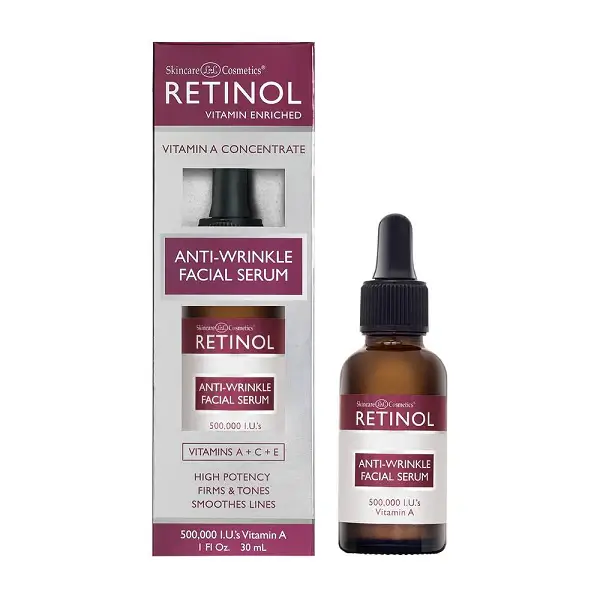
What Exactly Is Retinol (And Why Is It Different From Other Anti-Aging Ingredients?)
Retinol is a form of vitamin A. That’s the simple answer. The more nuanced answer is that retinol belongs to a family called retinoids — and not all retinoids are created equal.
Here’s what you need to understand: your skin doesn’t directly use retinol. When you apply retinol topically, your skin has to convert it into retinoic acid — the actual active form that does the work. This conversion takes time and requires enzymatic activity in your skin.
The conversion process is why retinol takes weeks or months to show results (unlike acids, which work immediately) and why the results compound over time. You’re not getting a quick fix — you’re rebuilding your skin’s structure.
This is actually a good thing. Because retinol works gradually, your skin adapts to it. You don’t get the intense irritation you might get from prescription-strength retinoids. But you do get results — real, measurable, long-lasting results.
The Different Types of Retinol (From Weakest to Strongest)
Not all retinoids are the same strength. Understanding where each one sits on the spectrum helps you choose the right product for your skin.
Retinyl Palmitate (Weakest)
This is the gentlest form. It requires three conversion steps in your skin before it becomes retinoic acid. This makes it very mild — almost TOO mild for most people wanting real anti-aging results. It’s fine as an entry point if your skin is extremely sensitive, but most people will want to move up from this.
Retinol
This is the middle ground. Retinol requires two conversion steps, making it effective without being overly irritating. This is what most over-the-counter retinol products contain. Concentrations range from 0.1% to 1%. Typical OTC retinol is 0.25-0.5%. This is the best starting point for most people.
Retinaldehyde (Retinal)
One conversion step away from retinoic acid. More potent than retinol, but also more irritating. If retinol works well for you and you want stronger results, this is a logical next step. Studies show it’s faster-acting than retinol.
Granactive Retinoid (Next-Generation)
This newer synthetic retinoid doesn’t require conversion in the skin. It works directly. This makes it faster and more stable than traditional retinol. Newer formulations have solved the irritation issue, making it gentle but potent. It’s becoming increasingly popular in premium products.
Retinoic Acid (Tretinoin / Prescription-Strength)
This is the strongest form. It’s the active form itself — no conversion needed. Results are fastest and most dramatic. But irritation is real. This requires a dermatologist prescription and careful use. If you want prescription-strength results without the appointment, you can’t get it.
Bakuchiol (Plant-Based Alternative)
Not technically a retinoid, but delivers retinol-like benefits without irritation. It doesn’t require conversion. Results are gentler and slower than actual retinol, but there’s no photosensitivity, no dryness, no purge. It’s the best option if you want retinol-like benefits but can’t tolerate actual retinol.
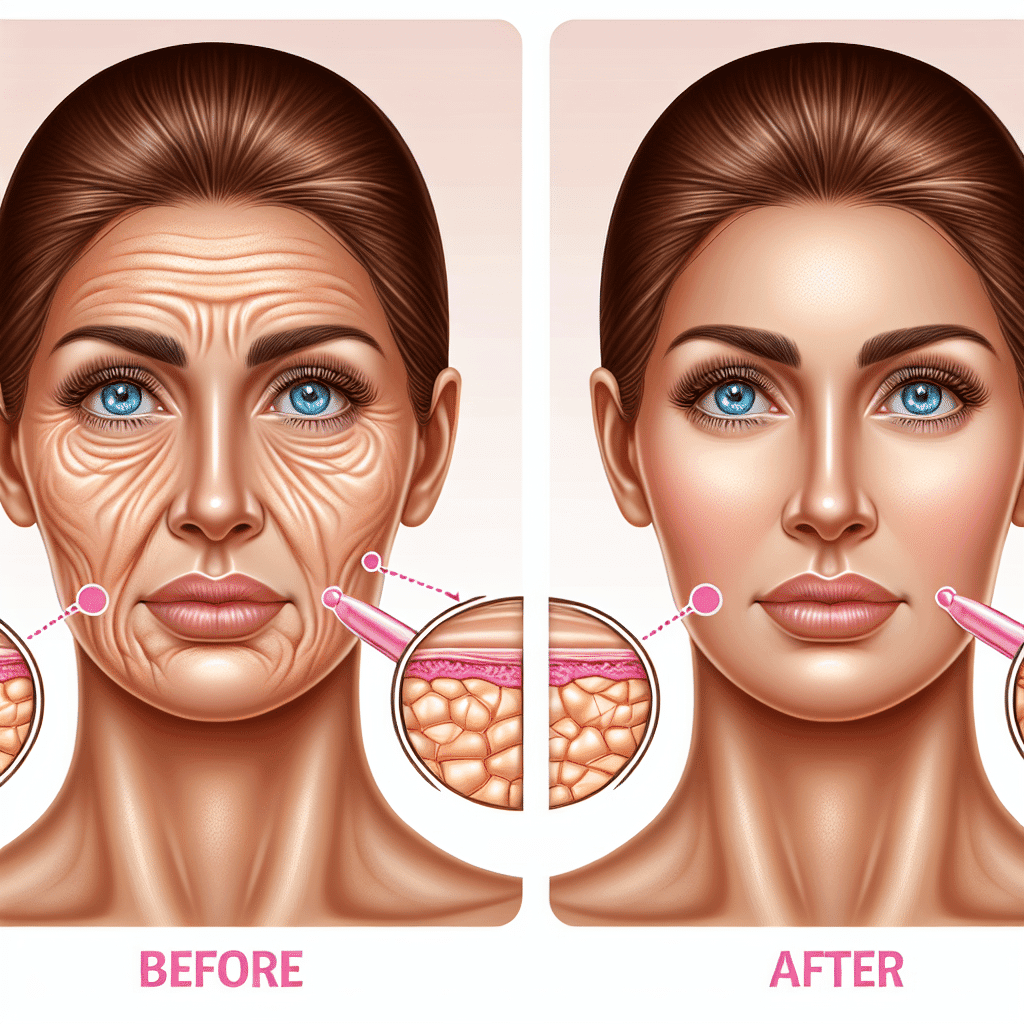
What Does Retinol Actually Do? (The Science)
Retinol works through multiple mechanisms. Understanding this explains why results take time but why they’re so dramatic when they come:
It Increases Cell Turnover
In your 20s, your skin cells turn over every 28 days. By your 40s, it’s every 50-70 days. This slower turnover is why skin looks dull, uneven, and wrinkled. Retinol speeds this process back up, so dead skin cells shed faster and fresh cells surface quicker. This alone transforms your complexion.
It Stimulates Collagen Production
Collagen is the protein that gives skin its firmness and elasticity. It breaks down as you age. Retinol signals your fibroblasts (collagen-making cells) to produce more collagen and elastin. This takes weeks or months, but the results are real: firmer skin, plumper appearance, less visible fine lines and wrinkles.
It Prevents Collagen Breakdown
Retinol doesn’t just boost new collagen production — it slows the breakdown of existing collagen. This is why people on long-term retinol see progressive improvements. You’re both building new collagen AND protecting what you have.
It Unclogs Pores and Treats Acne
Acne happens when dead skin cells and oil block pores. Because retinol accelerates cell turnover and regulates sebum production, it prevents pores from getting clogged. This is why retinol is so effective for acne — even stubborn, long-term acne.
It Fades Hyperpigmentation and Dark Spots
Post-acne marks, sun damage, age spots — retinol fades all of them. As your skin turns over faster, the hyperpigmented cells shed and fresh, evenly-toned cells surface.
Real Talk: The Retinol Purge (And Why It Happens)
This is the biggest reason people quit retinol too early.
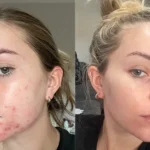
When you first start retinol, your skin often gets worse before it gets better. You might break out. Your skin might be flaky. You might be red. This is called the “retinol purge” and it’s actually a good sign — it means the retinol is working.
Here’s what’s happening: retinol is speeding up your cell turnover so dramatically that dead skin cells, sebum, and bacteria that were trapped deep in your pores are being pushed to the surface faster than usual. Your skin is essentially detoxifying.
The purge typically lasts 2-6 weeks. If you can push through without switching products, your skin will calm down and the real benefits start showing. Most people who quit during the purge never see the actual results because they give up right before it gets good.
The Real Results Timeline (What to Actually Expect)
This is based on clinical studies and dermatologist consensus, not marketing hype:
Week 1-2: Initial Adjustment
Your skin might be dry, a bit red, maybe slightly purging. You might wonder if you made a mistake. You haven’t. Your skin is just adapting to the increased cell turnover.
Week 3-4: Skin Feels Smoother
Texture improves. Skin feels smoother. The purge usually ends by this point. Hydration improves because of the increased cell turnover.
Week 8-12: Visible Anti-Aging Benefits
This is when you start seeing real results. Fine lines look softer. Skin looks firmer. Hyperpigmentation starts fading. Acne improves noticeably. Clinical studies show 72% of users see smoother, plumper skin by 12 weeks. Dark spots show measurable fading.
Week 12+: Progressive, Long-Term Improvement
After 12 weeks of consistent use, improvements compound. The collagen you’ve stimulated is now accumulating. Deep wrinkles soften. Skin texture transforms. Acne scars fade. The longer you use retinol consistently, the better your skin gets — for years.
How to Actually Use Retinol (The Step-by-Step That Actually Works)
This is where most people go wrong. Retinol usage isn’t complicated, but it requires patience and consistency:
Start Low, Go Slow
Beginners should start with 0.25-0.3% retinol, 2-3 times per week. Not every night. Two or three times per week. Your skin needs time to adapt. After 4-6 weeks, increase to every other night. After another 4-6 weeks, you can go to nightly if you want.
Use It Only at Night
Retinol makes your skin photosensitive. Always use it at night. Daytime retinol products exist, but they’re much weaker and less effective. Night is when your skin repairs itself anyway, so this is perfect timing.
Apply to Completely Dry Skin
This is critical. Cleanse, wait until your skin is completely dry (5-10 minutes), then apply retinol. Water interferes with retinol absorption and can increase irritation.
Use a Pea-Sized Amount
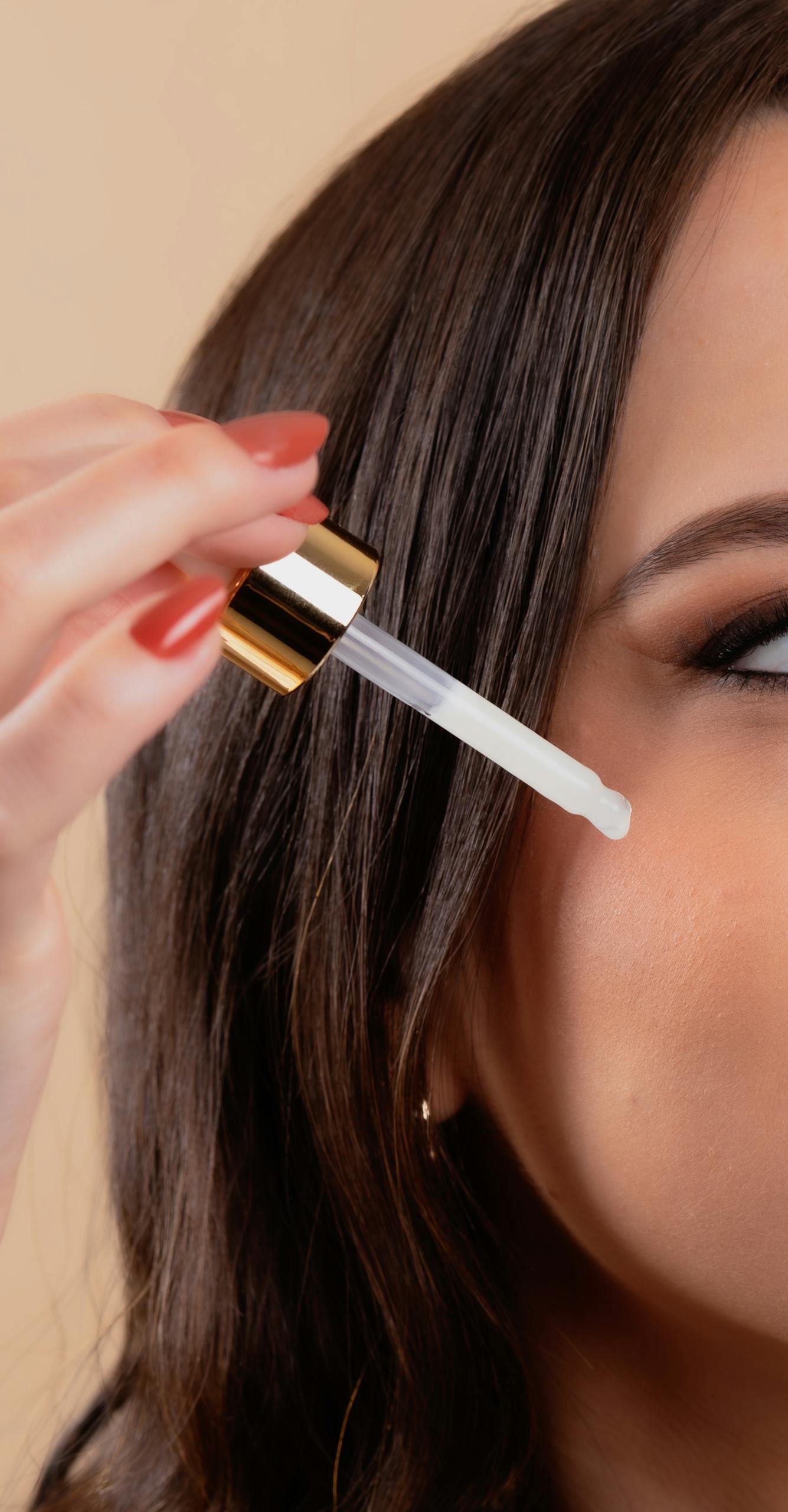
More is not better. A pea-sized amount for your whole face is sufficient. Gently rub it in. Don’t massage aggressively.
Wait Before Applying Moisturizer
Apply retinol first. Wait 5-15 minutes for it to set. Then apply a good moisturizer. This prevents the retinol from being diluted while also protecting your skin barrier from dryness.
Use SPF 30+ Every Single Morning
This is non-negotiable. Retinol makes your skin photosensitive. Without sunscreen, you’ll undo all the retinol’s benefits and damage your skin with sun exposure. Broad-spectrum SPF 30 minimum. Reapply every 2 hours if you’re outside.
Be Patient for 12 Weeks Minimum
Don’t judge retinol by results at 2 weeks. Judge it at 12 weeks. This is the timeframe clinical studies use. This is when you’ll see real anti-aging benefits.
What NOT to Mix With Retinol (Common Mistakes)
Retinol plays well with most ingredients, but some combinations reduce effectiveness or increase irritation:
Don’t mix with vitamin C (L-ascorbic acid) at the same time. The pH interferes with each other. Use vitamin C in the morning, retinol at night.
Don’t mix with acids (AHAs/BHAs) on the same night. Together they over-exfoliate and irritate. Alternate nights or use acids in the morning, retinol at night.
Don’t mix with benzoyl peroxide on the same night. Benzoyl peroxide can oxidize retinol and reduce its effectiveness.
Don’t mix with niacinamide in high concentrations (they can be incompatible, though this is debated). If you want both, use separate products or space them out.
DO combine with hyaluronic acid, ceramides, peptides, and soothing ingredients. These support your skin barrier and reduce irritation.
Final Thoughts
Retinol is the gold standard anti-aging ingredient for a reason. It works. It’s backed by decades of research. Dermatologists recommend it across the board. The results are real and measurable.
But it only works if you use it correctly and give it enough time. Most people fail at retinol not because retinol doesn’t work, but because they quit during the purge or start with too-high concentrations and experience irritation that discourages them.
If you follow this guide — start low, go slow, be patient, use sunscreen — you will see results. Your skin will transform over 3-6 months. And those results will compound for years as long as you keep using it.
Written for Glowzey.com — Skincare that actually delivers results.
Related Posts
- How to Repair Your Skin Barrier if Retinol Damaged It
- Peptides: A Gentler Alternative to Retinol
- Azelaic Acid for Sensitive Skin (Milder Than Retinol)
- Do LED Light Therapy Masks Boost Anti-Aging Results?
Get the Free Glowing Skin Bible
Our most popular step-by-step guide to clearer, healthier skin. Trusted by thousands of readers.
No spam. Unsubscribe anytime.