
PDRN Salmon Sperm Facials: Yes, It’s From Fish. Yes, It Actually Works for Your Skin
When I first heard about PDRN facials, my reaction was the same as yours probably is right now: “Wait, they’re putting what in my face?”
Salmon sperm. Yes, really. Polydeoxyribonucleotide — the fancy term for DNA fragments extracted from salmon sperm — is having a massive moment in skincare. It’s trending on TikTok. Dermatologists are recommending it. K-beauty brands are putting it in everything from serums to sheet masks. And somehow, despite the absolutely wild origin story, it’s actually one of the most scientifically proven anti-aging ingredients on the market.
I was skeptical. But after researching the science and seeing the clinical data, I’m genuinely impressed. PDRN isn’t hype. It’s legitimate regenerative skincare backed by decades of pharmaceutical research.
Let me explain how salmon sperm DNA ended up being brilliant for your face.
What Is PDRN (And Why Salmon Sperm?)
PDRN stands for polydeoxyribonucleotide. It’s literally just DNA — but specifically, fragments of DNA extracted from salmon sperm cells.
Here’s why it works: DNA is structurally similar across species at the molecular level. Salmon DNA and human DNA are made of the same nucleotide building blocks, arranged in ways your skin cells can actually recognize and use. This isn’t marketing. This is biochemistry.
Salmon DNA is chosen specifically because it’s easy to extract in large quantities (salmon farms), can be purified to 99.9% purity, and the rest of the fish is used in food — so it’s not wasteful.
But here’s the important part: PDRN was never originally meant to be a skincare ingredient. It was developed as a pharmaceutical for wound healing and tissue regeneration. It’s been studied in regenerative medicine for decades. Dermatologists started using it in clinical settings because the results were so good.
PDRN works because it speaks the same biological language as your skin cells. It doesn’t force your skin to do anything — it supports your skin’s own repair mechanisms.
How PDRN Actually Works (The Real Science)
PDRN triggers your skin’s cellular repair in two key ways:
Mechanism 1: Fibroblast Activation
Your skin contains cells called fibroblasts. These are the cells that produce collagen, elastin, hyaluronic acid, and other stuff that keeps your skin young and firm. As you age, fibroblasts get lazy. They produce less collagen. Your skin gets thinner, loses elasticity, and wrinkles form.
PDRN activates fibroblasts. It binds to receptors on these cells and essentially tells them: ‘Start making collagen again.’ Studies show this actually works. Your fibroblasts literally increase collagen production.
Mechanism 2: Nucleotide Supply
PDRN provides your skin with nucleotides — the building blocks of DNA itself. When your skin cells are damaged (from UV, pollution, aging), they need raw materials to repair themselves. PDRN literally supplies those raw materials.
Bonus: Anti-Inflammatory Power
PDRN reduces inflammation. This is huge because inflammation accelerates aging and damages your barrier. If you have rosacea, sensitive skin, or inflammation-driven aging, PDRN helps calm that while rebuilding.
What PDRN Actually Does to Your Skin (Real Results)
Clinical studies show PDRN delivers measurable results:
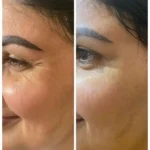
Improved hydration: Your skin holds water better. Within 2-4 weeks, your skin looks plumper and more dewy. Increased elasticity: Your skin feels firmer. This isn’t temporary tightening — it’s actual structural improvement as collagen rebuilds. Smoother texture: Roughness, dullness, and uneven tone improve. This is from increased cell turnover. Reduced wrinkles: Fine lines soften. Deep wrinkles improve (though they won’t disappear). Faster healing: If you’re recovering from other treatments (microneedling, laser), PDRN accelerates healing. Reduced inflammation: Redness, irritation, and sensitivity calm down.
PDRN at-Home vs. Clinical PDRN: What’s Safe?
Here’s where I have to be honest: PDRN injections (salmon sperm injections) are NOT FDA-approved in the US. Dermatologists warn against them because unregulated injections carry real risks.
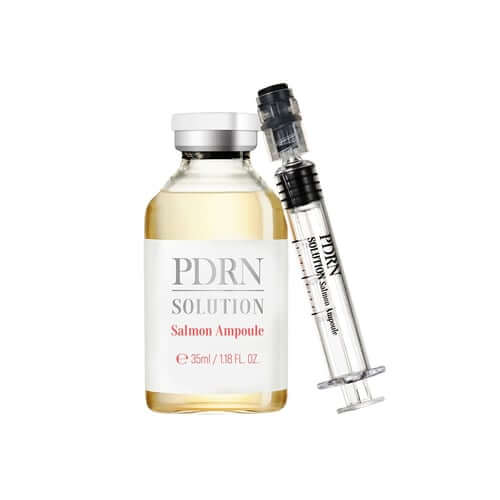
BUT: PDRN serums, ampoules, and topical products are totally safe. These are the K-beauty products you can buy (like Laneige, CosRX, Medicube, etc.). They contain purified PDRN that’s applied to your skin.
The catch: Topical PDRN has limited penetration because PDRN molecules are large. This is why K-beauty brands recommend using PDRN products:
After microneedling (creates tiny channels for absorption), After laser treatments (same idea), In concentrated ampoules and serums (higher concentration = better absorption), At night when skin is repairing itself anyway.
How to Use PDRN Skincare (Step-by-Step)
Method 1: Topical Serum/Ampoule (At-Home)
1. Cleanse your face thoroughly. 2. Apply toner or essence if you use one. 3. Apply PDRN serum or ampoule to clean, dry skin. Pat gently (don’t rub). 4. Wait 2-3 minutes for absorption. 5. Apply moisturizer and occlusive (heavy cream or oil seal). 6. Use morning and night for best results. Minimum: 4-6 weeks to see noticeable improvement.
Method 2: After Microneedling (Professional)
Your dermatologist performs microneedling, which creates microchannels in your skin. Immediately after, they apply PDRN topically. The microchannels allow deep penetration. This is more effective than at-home but requires a professional appointment.
Method 3: After Laser (Professional)
Same concept: laser treatment first (like Fraxel), then PDRN applied immediately after. The laser damage creates optimal conditions for PDRN absorption and accelerates healing.
Best PDRN Products to Actually Buy
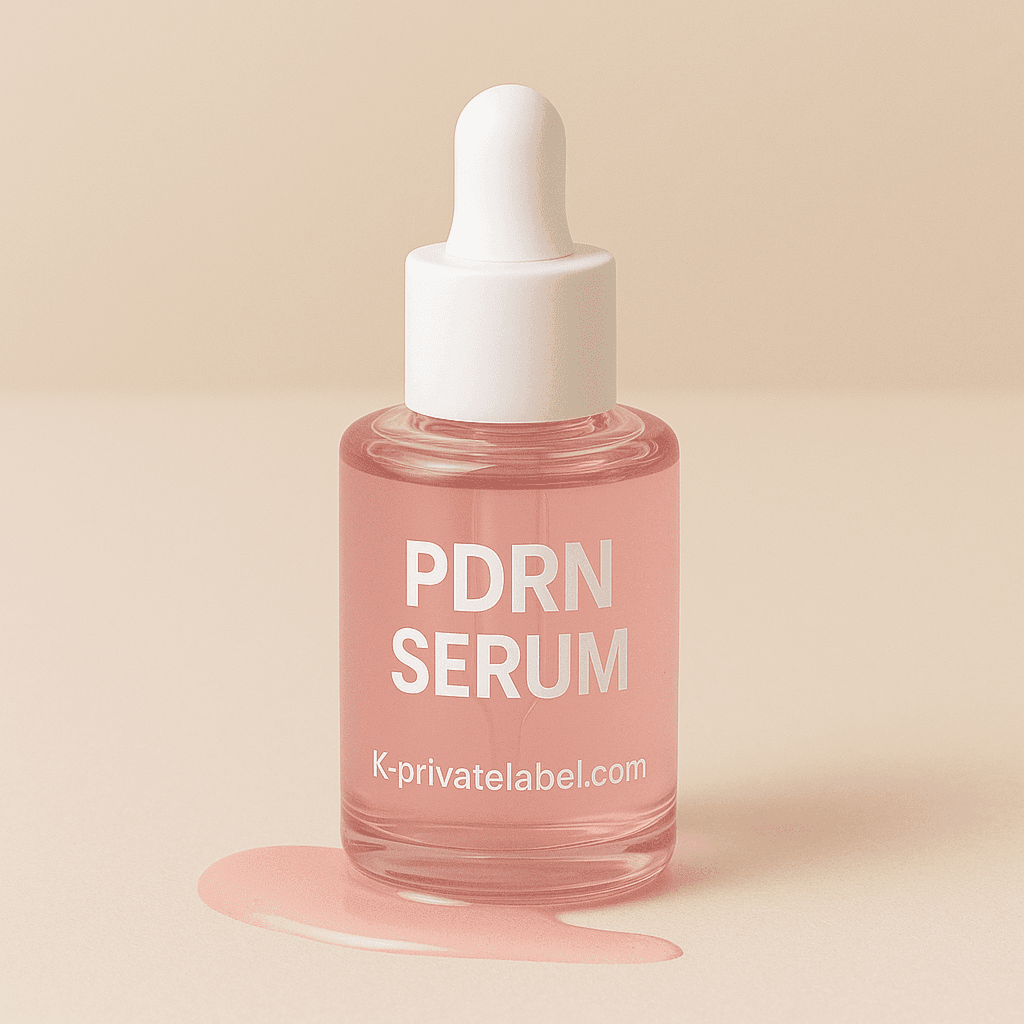
High-concentration PDRN serums that actually work: Laneige Water Bank Aqua Facial (hydrating), CosRX 5 PDRN Collagen Intense Vitalizing Serum (intensive), Medicube PDRN Pink Peptide Serum (peptides + PDRN), Innisfree Retinol Green Tea PDRN Skinbooster Toner (toner format), The Inkey List PDRN Serum (vegan alternative).
Start with one PDRN product. Use consistently for 8-12 weeks before assessing results.
Real Timeline: When You’ll See Results
Week 1-2: Your skin feels more hydrated. Texture feels slightly smoother. (This is water plumping, not permanent results yet.) Week 3-4: Fine lines look softer. Skin looks brighter. Texture noticeably improves. Week 6-8: Elasticity improves. Skin feels firmer. Hyperpigmentation starts fading. Week 12+: Measurable improvements in wrinkle depth, elasticity, and skin density. Results compound over time.
Is PDRN Safe? Real Talk About Side Effects
PDRN is generally very safe. Dermatologists consider it well-tolerated and non-immunogenic (your body doesn’t reject it). Possible mild side effects from topical PDRN: slight redness, tiny papules if you use with microneedling, mild swelling, temporary warmth. These usually disappear within a day.
Skip PDRN if you have: active skin infection, pregnancy or breastfeeding, severe fish/seafood allergy, active autoimmune flare-ups.
Why Dermatologists Are Obsessed (And Why You Should Care)
PDRN represents a shift in how dermatologists think about aging. Instead of masking wrinkles (Botox, fillers), PDRN rebuilds your skin’s structure. It’s regenerative, not destructive. It works WITH your body’s natural processes, not against them.
This is why major K-beauty brands are investing heavily in PDRN. This is why it’s showing up in sheet masks, serums, toners, and eye creams. It’s not a fad. It’s the future of anti-aging skincare.
PDRN vs. Your Other Anti-Aging Options
How does PDRN compare to retinol? Retinol is faster-acting but more irritating. PDRN is gentler and works with your skin’s natural repair. You can actually use both together — PDRN in the morning, retinol at night.
How does PDRN compare to peptides? Peptides tell your skin to make more collagen. PDRN provides the raw materials AND tells your skin to use them. PDRN is more comprehensive. Again, you can use both.
How does PDRN compare to LED light therapy? LED stimulates collagen. PDRN rebuilds it. Different mechanisms, both valuable. Use together for maximum results.
Final Thoughts
PDRN sounds insane. Salmon sperm in your skincare? It’s an absolutely wild concept. But the science is solid. The results are real. And the future of anti-aging skincare is genuinely moving toward ingredients that regenerate rather than just mask.
If you’ve been hesitant to try PDRN because of the origin story, I get it. But once you understand the biochemistry, the skepticism turns into genuine fascination. Your skin cells don’t care where the nucleotides come from. They just recognize them as fuel for regeneration.
PDRN is worth trying. Especially if retinol irritates you, if you want regenerative skincare, or if you’re looking for the next-gen anti-aging ingredient that actually works.
Written for Glowzey.com — Regenerative skincare science explained.
Related Posts
- Peptides Skincare: The 2026 Anti-Aging Breakthrough
- LED Light Therapy Masks: Do They Actually Work?
- How to Use Retinol for Wrinkles, Acne & Glowing Skin
- How to Repair Your Skin Barrier
Get the Free Glowing Skin Bible
Our most popular step-by-step guide to clearer, healthier skin. Trusted by thousands of readers.
No spam. Unsubscribe anytime.