The Ultimate Guide to Patch Testing Skincare: Lotions, Serums & Active Ingredients
f you’ve ever tried a new lotion, serum, or exfoliant and suddenly got redness, bumps, or irritation — you’re not alone. Patch testing is the easiest way to avoid unwanted reactions and safely introduce new skincare products, especially those with AHAs, BHAs, retinol, or fragrances.
In this guide, you’ll learn exactly how to patch test, what to look for, and which products are safest to start with.
What Is Patch Testing?
Patch testing is a simple method to check if a new skincare product will irritate your skin before applying it to your entire face.
It helps identify reactions to acids, retinol, vitamin C, essential oils, fragrances, and moisturizers.
Why Patch Testing Is Important
- Prevents redness, burning, and breakouts
- Helps you find allergies or sensitivity
- Protects skin barrier
- Saves money (no more wasting expensive serums!)
- Recommended for all new lotions, exfoliators, toners, masks, and anti-aging products
How to Patch Test a Skincare Product
Follow this simple 24–48 hour method.
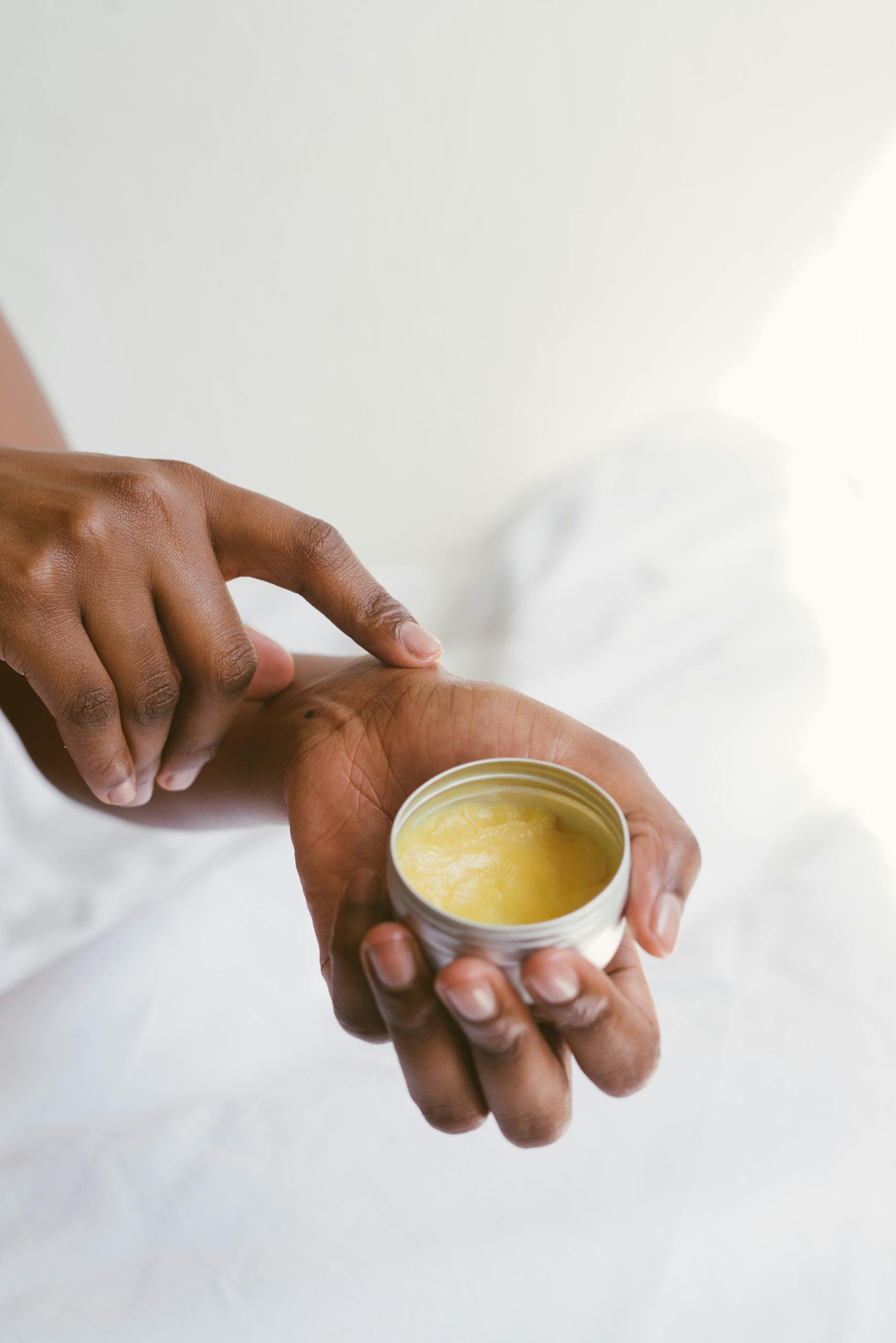
1. Apply the Product on a Small Area
Use the area:
- Inside of your wrist
- Behind your ear
- Side of the neck
- Lower cheek (if you want face-specific testing)
2. Wait at Least 24 Hours (Preferably 48 Hours)
During this time, do not wash the area unless the product instructions require it (like peels).
3. Watch for These Reactions
Bad signs:
- Redness
- Burning
- Itching
- Bumps or rash
- Dry patches
- Warm/hot feeling
Good sign:
No irritation → Product is safe to use on your face.
Which Products Must ALWAYS Be Patch Tested
- AHAs (Glycolic, Lactic Acid)
- BHAs (Salicylic Acid)
- Retinol / Retinoids
- Vitamin C serums
- Strong exfoliating toners
- Moisturizers with fragrance
- Peptide serums
- Sunscreens with chemical filters
- Night creams & anti-aging treatments
Best Gentle Products for Sensitive Skin (Amazon Affiliate Picks)
(You can add your own affiliate links)
1. CeraVe Moisturizing Lotion
Perfect for beginners, fragrance-free, won’t irritate barrier.
2. La Roche-Posay Toleriane Ultra Cream
Great for reactive skin; ideal after patch tests.
3. Paula’s Choice 2% BHA Liquid Exfoliant
Always patch test first — strong but effective.
4. The Ordinary Lactic Acid 5%
Gentle AHA for smoother skin.
5. Cosrx Snail Mucin 96 Essence
Soothes irritation and supports barrier healing.
How to Introduce Patch-Tested Products
Once your patch test is clear:
- Use the product 2–3 times a week first
- Increase slowly depending on your skin
- Avoid mixing strong actives together
- Always wear SPF 50 in daytime
Common Mistakes to Avoid
❌ Don’t patch test too many products at once
❌ Don’t test on broken or irritated skin
❌ Don’t apply high-strength acids directly on your cheek
❌ Don’t assume “natural” means non-irritating