
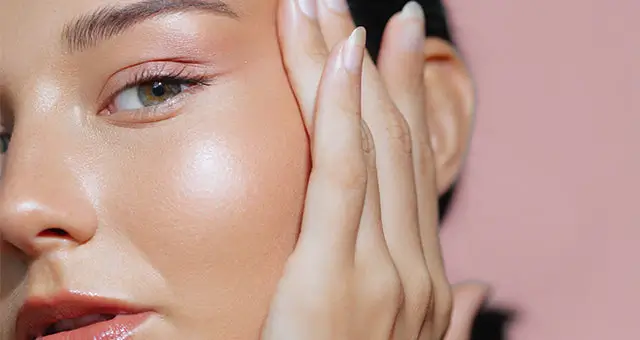
Glass Skin in 2026: The Science-Backed Guide to Achieving Translucent, Healthy Skin Without Following a 10-Step Routine
Introduction
For years, the pursuit of glass skin has dominated social media feeds, beauty magazines, and skincare discussions worldwide. Originally popularized by Korean beauty trends, glass skin refers to a complexion so smooth, hydrated, and luminous that it appears almost translucent—like a sheet of clear glass reflecting light.
However, in 2026, the concept of glass skin is evolving.
Consumers are increasingly moving away from elaborate 10-step skincare routines and embracing a more practical, science-driven approach. Rather than layering countless products, dermatologists and skincare enthusiasts now emphasize skin barrier integrity, collagen preservation, cellular hydration, and longevity-focused skincare practices.
The new glass skin philosophy is not about achieving unrealistic perfection. Instead, it focuses on maintaining healthy, resilient skin that naturally reflects light because it is properly nourished, protected, and functioning optimally.
Whether you struggle with dullness, dehydration, enlarged pores, uneven texture, or early signs of aging, this comprehensive guide will help you understand the science behind glass skin and how to achieve it sustainably.
Why Glass Skin Is Still Trending in 2026
Beauty trends often disappear as quickly as they emerge, yet glass skin has maintained remarkable staying power.
Several factors explain why.
Consumers Want Healthy Skin, Not Heavy Makeup
Today’s beauty consumers increasingly prefer skincare over cosmetic camouflage. The popularity of skin tints, lightweight foundations, and no-makeup makeup looks reflects this shift. People no longer want skin that merely looks good under filters. They want skin that genuinely appears healthier.
The Rise of Skin Longevity
One of the biggest skincare movements in 2026 revolves around skin longevity.
Instead of asking:
“How do I look younger?”
Consumers now ask:
“How do I keep my skin functioning optimally for decades?”
Glass skin perfectly aligns with this philosophy because:
It prioritizes hydration.
It protects collagen reserves.
It strengthens the skin barrier.
It minimizes inflammation.
It supports long-term resilience.
Social Media Continues Driving Demand
Platforms such as TikTok, Instagram, and Pinterest remain major influences.
Searches related to:
continue generating millions of views.
Why the Traditional 10-Step Routine Is Losing Popularity
For years, K-beauty routines encouraged:
While these routines may work for some individuals, many consumers now recognize several drawbacks.
Product Fatigue
Applying ten products daily requires:
Time
Money
Patience
Consistency
Many people simply cannot maintain such extensive regimens.
Barrier Damage
Overusing active ingredients may lead to:
Dryness
Sensitivity
Inflammation
Breakouts
Redness
Compromised skin barriers.
Ingredient Redundancy
Several products often contain nearly identical ingredients.
Multiple hydrating serums frequently provide minimal additional benefit.
Modern dermatology increasingly recommends intentional skincare.
Fewer products.
Better ingredients.
More consistency.
What Does Glass Skin Actually Mean?
Glass skin is often misunderstood.
It is not:
Perfect skin.
Poreless skin.
Oily skin.
Filtered skin.
Instead, glass skin possesses four characteristics.
1. Uniform Texture
Healthy skin reflects light evenly.
Rough patches scatter light.
Smooth skin enhances luminosity.
2. Deep Hydration
Water content significantly affects skin appearance.
Hydrated skin appears:
Supple
Plump
Fresh
Elastic
3. Strong Barrier Function
The outer layer of skin acts as a protective shield.
An intact barrier:
Retains moisture
Blocks irritants
Prevents inflammation
Supports healing
4. Collagen Density
Collagen provides structural support.
Declining collagen contributes to:
Sagging
Wrinkles
Loss of radiance
Thin skin
Maintaining collagen reserves is essential for sustaining a glass-like complexion.
The Science Behind Skin Transparency
Skin naturally reflects light.
Several biological factors determine how effectively this occurs.
Epidermal Thickness
Healthy epidermal cells arrange themselves uniformly.
Irregular shedding causes dullness.
Excessive buildup reduces brightness.
Water Distribution
Moisture acts almost like an internal reflector.
Well-hydrated cells bounce light more effectively.
Sebum Balance
A small amount of natural oil enhances glow.
Excessive oil creates shine.
Insufficient oil causes dryness.
Glass skin exists in the balance between both extremes.
The Skin Barrier: The Foundation of Glass Skin
The skin barrier has become one of the most discussed topics in modern dermatology.
Without a healthy barrier, glass skin remains difficult to achieve.
What Is the Skin Barrier?
The outermost layer of skin contains:
Together, these components create a protective matrix.
Signs of Barrier Damage
Persistent dryness
Stinging
Sensitivity
Flaking
Acne flare-ups
Loss of radiance
How to Repair It
Prioritize:
The Most Important Ingredients for Glass Skin in 2026
Hyaluronic Acid
Acts as a moisture reservoir
Helps skin remain plump
Supports elasticity
Polyglutamic Acid
Emerging as a popular alternative
Retains moisture efficiently
Provides long-lasting hydration
Niacinamide
Improves texture
Reduces redness
Supports barrier repair
Controls excess oil
Peptides
Peptides support collagen synthesis.
Improve firmness
Encourage healthier skin function
Ceramides
One of the most underrated ingredients.
Strengthen defenses
Prevent moisture loss
Improve softness
Ectoin
Increasingly popular in longevity skincare
Protects skin against environmental stress
Supports cellular resilience
The Collagen Connection
Collagen remains one of the most significant contributors to youthful, translucent skin.
Production begins declining in our mid-twenties. Factors accelerating collagen loss include:
Sun exposure
Smoking
Poor sleep
High sugar intake
Chronic stress
Suggested Internal Link
“Want to understand how collagen changes over time? Read our detailed guide on How Collagen Production Changes After 30.”
Chrono-Beauty and Glass Skin
Chrono-beauty is another emerging trend influencing skincare routines. The concept recognizes that skin behaves differently throughout the day.
Morning priorities:
Antioxidants
Hydration
UV protection
Evening priorities:
Repair
Collagen stimulation
Barrier recovery
Peptides
Retinoids
Common Glass Skin Mistakes
Using too many acids.
Skipping sunscreen.
Ignoring sleep.
Over-cleansing.
Using harsh scrubs.
Expecting overnight results.
Chasing social media trends without understanding skin biology.
The Ultimate Morning Glass Skin Routine for 2026
Achieving glass skin doesn’t require ten products. Instead, consistency and ingredient selection matter most.
Step 1: Gentle Cleanser
A gentle cleanser removes sweat, excess sebum, and overnight skincare residue without disrupting the skin barrier.
Look for cleansers containing:
- Glycerin
- Ceramides
- Panthenol
- Amino acids
Avoid cleansers containing:
- High concentrations of sulfates
- Strong fragrances
- Alcohol-based formulations
Step 2: Hydrating Toner or Essence
Modern toners should replenish moisture rather than strip the skin.
Beneficial ingredients include:
- Hyaluronic acid
- Polyglutamic acid
- Beta-glucan
- Fermented extracts
- Rice water
Apply using clean hands instead of cotton pads to reduce product waste.
Step 3: Antioxidant Serum
Environmental aggressors significantly accelerate skin aging. Antioxidants help minimize oxidative stress.
Recommended ingredients:
Vitamin C
Supports collagen production.
Brightens dull skin.
Improves skin tone.
Niacinamide
Reduces redness
Strengthens barrier function
Regulates sebum production
Resveratrol
Provides antioxidant protection.
Supports healthy aging.
Step 4: Moisturizer
Moisturizers help lock hydration into the skin. Choose products containing:
- Ceramides
- Cholesterol
- Squalane
- Peptides
The goal is not heavy occlusion. The goal is balanced hydration.
Step 5: Sunscreen
No glass skin routine is complete without sunscreen.
Ultraviolet radiation contributes to:
Collagen degradation
Pigmentation
Wrinkles
Texture irregularities
Premature aging
Experts generally recommend:
SPF 30–50
Broad-spectrum protection
Daily use regardless of weather.
The Ultimate Evening Routine
Nighttime is when skin naturally repairs itself.
This is the best opportunity to support regeneration.
Step 1: Double Cleansing (If Necessary)
Double cleansing is useful for:
Heavy sunscreen wearers
Makeup users
Polluted urban environments
Use:
Oil cleanser
Followed by:
Gentle water-based cleanser
Step 2: Treatment Serum
Choose according to your skin concerns.
Dehydrated Skin
Hyaluronic acid
Polyglutamic acid
Beta-glucan
Aging Skin
Copper peptides
Retinal
Growth factors
Sensitive Skin
Panthenol
Centella asiatica
Madecassoside
Ceramides
Step 3: Retinoid (Optional)
Retinoids remain one of the most studied anti-aging ingredients.
Benefits include:
Collagen stimulation
Texture improvement
Wrinkle reduction
Pigmentation correction
Start slowly
Two nights weekly
Increase gradually
Step 4: Barrier Repair Cream
Healthy barriers equal healthy glow.
Look for moisturizers rich in:
Ceramides
Fatty acids
Squalane
Shea butter
Ectoin
Weekly Treatments for Glass Skin
Gentle Exfoliation
Exfoliation removes dead skin buildup.
Frequency:
1–2 times weekly
Avoid daily exfoliation
Recommended acids:
Lactic acid
PHA
Mandelic acid
Sheet Masks
Sheet masks remain popular.
Best used:
Once or twice weekly
Beneficial ingredients
Hyaluronic acid
Aloe vera
Panthenol
Peptides
LED Light Therapy
Increasingly common in at-home skincare.
Red light may help support:
Collagen production
Inflammation reduction
Skin recovery
Nutrition for Glass Skin
Healthy skin begins internally.
Omega-3 Fatty Acids
Found in:
Salmon
Walnuts
Flaxseed
Sardines
Benefits:
Reduce inflammation.
Support elasticity.
Protein
Collagen synthesis requires amino acids.
Include:
Chicken
Fish
Eggs
Greek yogurt
Beans
Lentils
Vitamin C
Important for collagen production.
Sources:
Kiwi
Strawberries
Citrus fruits
Bell peppers
Zinc
Supports healing.
Found in:
Pumpkin seeds
Seafood
Nuts
Hydration
Aim for adequate water intake daily.
Hydrated skin functions more efficiently.
Sleep and Glass Skin
Sleep deprivation impacts:
Barrier repair
Collagen production
Hydration
Inflammatory pathways
Dark circles
Recommended:
7–9 hours nightly.
Silk pillowcases may reduce friction.
Humidifiers can improve overnight hydration.
Glass Skin for Different Skin Types
Oily Skin
Prioritize:
Niacinamide
Gel moisturizers
PHA exfoliants
Lightweight sunscreens
Avoid:
Heavy oils.
Occlusive formulations.
Dry Skin
Focus on:
Ceramides
Squalane
Peptides
Cream moisturizers
Polyglutamic acid
Sensitive Skin
Use:
Centella asiatica
Panthenol
Beta-glucan
Fragrance-free products
Mature Skin
Combine:
Peptides
Retinal
Growth factors
Antioxidants
Daily sunscreen
Glass Skin Myths
Myth 1: Glass Skin Means Poreless Skin
False:
Everyone has pores.
Healthy pores are normal.
Myth 2: More Products Equal Better Results
False:
Overloading skincare often damages barriers.
Myth 3: Oily Skin Is Glass Skin
False:
Glass skin is hydrated.
Not greasy.
Myth 4: Glass Skin Is Only for Young People
False:
Healthy, radiant skin is achievable at any age.
Frequently Asked Questions
How long does it take to achieve glass skin?
Most individuals notice improvements within:
6–12 weeks.
Consistency matters.
Can men achieve glass skin?
Absolutely
Skin biology is largely similar.
Men benefit equally from hydration and barrier-focused routines.
Are Korean products necessary?
No
Ingredients matter more than country of origin.
Is glass skin possible with acne?
Yes.
Acne-prone individuals should focus on:
Barrier support
Oil control
Gentle exfoliation
Hydration
Final Thoughts
Glass skin in 2026 is no longer about blindly following a lengthy skincare routine or chasing unrealistic beauty standards. Instead, it represents a more balanced and science-backed approach to skin health that prioritizes hydration, barrier integrity, collagen preservation, and long-term resilience. While genetics certainly influence how skin looks and ages, daily habits such as sun protection, quality sleep, proper nutrition, stress management, and the thoughtful use of proven skincare ingredients play a far greater role than many people realize.
Ultimately, the secret to glass skin isn’t perfection—it’s consistency. By focusing on healthy skin function rather than temporary trends, you can build a sustainable routine that enhances your natural radiance and supports youthful, glowing skin for years to come.
Related Articles You May Also Like
Liquid Microneedling Article
Liquid Microneedling Explained: The Biotech Anti-Aging Trend Everyone Is Talking About in 2026
Anti-Aging Guide