From Hair Serums to Lip Oils: 15 Beauty Products America Can’t Get Enough Of
Walk into any Sephora, Ulta, or Target beauty aisle right now, and you’ll notice the same handful of products keep disappearing off shelves. Scroll through any beauty creator’s “what’s in my bag” video, and the same names come up again and again. There’s a reason certain products cross over from niche skincare-forum obsession to mainstream must-have, and it’s rarely just clever marketing — it’s usually because the product actually delivers.
At Glowzey, we’ve been tracking what’s genuinely earning repurchases versus what’s just trending for a week before disappearing into a drawer. Here are the 15 beauty products that have earned real staying power in the US market in 2026, organized by category so you can build out whichever part of your routine needs the most love.
Hair Care Favorites
1. Glass-Hair Serums
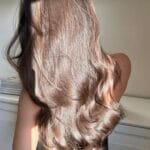
The “glass hair” trend — hair so smooth and shiny it looks almost reflective — has stuck around far longer than most TikTok beauty trends, and for good reason. Lightweight hair serums built around silicones, plant oils, or bond-building peptides have become a genuine staple rather than a fad. Unlike heavier hair oils of the past, today’s glass-hair serums are formulated to smooth the cuticle and reflect light without weighing strands down, which is why they work on fine hair just as well as thick or coarse textures.
What to look for: A serum with dimethicone or a silicone blend for shine, layered with panthenol or amino acids for actual strand repair, not just a temporary glossy coating.
2. Scalp Serums
If 2020s hair care was all about the ends, 2026’s hair care conversation has moved firmly up to the scalp. Dermatologists have been vocal about scalp health being the actual foundation of hair growth and thickness, and consumers have caught on. Scalp serums featuring caffeine, peptides, or rosemary extract are now a fixture in most hair-care routines, applied like a leave-in treatment directly to the roots rather than the lengths.
What to look for: Lightweight, non-greasy formulas that absorb quickly — nobody wants an oily scalp feeling three hours after application.
3. Bond-Building Treatments
What started as a salon-only category has fully gone mainstream, with at-home bond-building treatments now sitting on regular drugstore shelves. These formulas work by rebuilding the disulfide bonds in hair that get broken down by heat styling, coloring, and bleaching. For anyone who colors their hair regularly or reaches for a flat iron daily, this has become less of a luxury and more of routine maintenance.
What to look for: Products explicitly labeled as bond-building or bond-repairing, ideally used before or after any heat or chemical service.
4. Dry Shampoo (Reformulated)
Dry shampoo has been a staple for over a decade, but the formulas have quietly gotten much better. After a wave of concern around aerosol talc formulas a few years back, most major brands reformulated with rice starch or tapioca starch bases that absorb oil without leaving the chalky white residue older formulas were known for. It’s a small shift, but it’s why dry shampoo sales have actually grown rather than declined.
What to look for: Talc-free, tinted formulas that match your hair color to avoid any visible cast.
Lip Products
5. Lip Oils
If there’s one product that defines the current era of American beauty routines, it’s the lip oil. Sitting somewhere between a gloss and a treatment, lip oils deliver a plumped, glassy finish while actually conditioning the lips with ingredients like jojoba oil, vitamin E, or squalane. Their popularity has genuinely reshaped the lip category — brands that once focused entirely on matte lipstick have all launched their own oil formulas to keep up with demand.
What to look for: A formula with a doe-foot or wand applicator for easy reapplication throughout the day, plus a subtle tint if you want a hint of color.
6. Lip Liners (Worn Alone)
In a genuinely unexpected shift, lip liner has become a standalone product rather than just a supporting player under lipstick. The “your lips but better” trend of soft, blurred, no-makeup-makeup lips relies heavily on a good liner applied on its own, sometimes with a bit of balm layered over top. This has pushed lip liner sales up significantly, with brands now releasing liners in dozens of nude and berry shades specifically designed to be worn solo.
What to look for: A creamy, blendable formula rather than a stiff, waxy pencil — you want it to smudge slightly for that soft, your-lips-but-better effect.
7. Lip Sleeping Masks
Overnight lip treatments have moved from a niche Korean beauty import to a genuinely mainstream American staple, largely thanks to their simplicity. Applied as the last step of a nighttime routine, these thick, balm-like masks work while you sleep to hydrate and repair chapped, dry lips, so you wake up to noticeably smoother texture.
What to look for: Occlusive ingredients like shea butter or ceramides that lock in moisture overnight without feeling sticky on the pillow.
Skin Tint and Base Makeup
8. Skin Tints
The heavy, full-coverage foundation era has been fading for a few years now, and skin tints have firmly taken its place as the go-to base product. Lighter than a traditional foundation but more buildable than a tinted moisturizer, skin tints are designed to even out tone while letting real skin texture show through — a look that’s become the default rather than the exception in American everyday makeup routines.
What to look for: A formula with a wide shade range and skincare ingredients like hyaluronic acid or niacinamide baked in, since you’ll likely be wearing it daily.
9. Cream Blush Sticks
Cream blush has overtaken powder blush as the preferred format for a fresh, dewy flush, and the stick applicator format specifically has become the most popular way to apply it. Swiped directly onto cheeks and blended with fingertips, cream blush sticks give a more natural, skin-like flush than powder ever could, and they’re genuinely fast to apply, which matters for anyone doing a five-minute makeup routine before work.
What to look for: A sheer-to-buildable formula in a stick format for mess-free, on-the-go application.
10. Brow Gels (Tinted, Fiber-Infused)
Bold, fluffy, laminated-looking brows have stuck around as the dominant brow trend, and tinted, fiber-infused brow gels have become the easiest way to achieve that look without a salon lamination appointment. These formulas coat individual brow hairs with tiny fibers that add both color and volume, giving the appearance of thicker, more filled-in brows in a single swipe.
What to look for: A flexible, non-flaky formula in a shade close to your natural brow color, applied with a spoolie-style wand for even distribution.
Treatment and Active Ingredients
11. Retinol Serums (Gentle, Encapsulated)
Retinol has been a skincare staple for years, but the formulas driving current sales are noticeably different from the harsh, irritating retinol products of the past. Encapsulated retinol — where the active ingredient is wrapped in a delivery system that releases it slowly — has become the preferred format because it delivers the same anti-aging and texture-smoothing benefits with significantly less redness and peeling.
What to look for: Start with a lower percentage (0.1%–0.3%) if you’re new to retinol, and always pair it with a broad-spectrum SPF during the day, since retinol increases sun sensitivity.
12. Vitamin C Serums
Vitamin C remains one of the most consistently reformulated-for-stability ingredients in skincare, and it continues to sell well because the brightening, antioxidant benefits are genuinely well-supported by dermatological research. Newer formulations use more stable derivatives of vitamin C, meaning the product is less likely to oxidize and turn an unusable orange color a few weeks after opening — a common complaint with older formulas.
What to look for: A formula in an opaque, airtight container (vitamin C degrades quickly with light and air exposure), used in the morning under sunscreen for maximum antioxidant protection.
13. Exfoliating Toners (PHA and Lactic Acid)
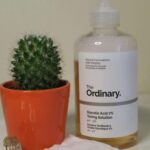
While glycolic and salicylic acid toners have long been popular, the current wave of exfoliating toner sales is being driven by gentler acids like PHA (polyhydroxy acid) and lactic acid. These options provide similar smoothing and brightening benefits to their harsher counterparts but with far less irritation, making them accessible to sensitive skin types who previously avoided exfoliating acids altogether.
What to look for: PHA specifically if you have sensitive or reactive skin, since it’s the gentlest chemical exfoliant currently available and doesn’t increase sun sensitivity the way stronger acids can.
Body and Self-Care
14. Whipped Body Butters
Thick, richly whipped body butters have overtaken thinner lotions as the preferred body moisturizer, especially through colder months. Formulated with shea butter, cocoa butter, or mango butter as a base, these products deliver noticeably deeper hydration than standard lotions, and the “whipped” texture has become something of a self-care ritual in its own right, with unboxing and application videos racking up views online.
What to look for: A fragrance-free or lightly-scented option if you have sensitive skin, since heavily fragranced body butters can occasionally cause irritation on already-dry, compromised skin.
15. Silk Pillowcases
Rounding out the list is a product that isn’t technically a “beauty product” in the traditional sense, but has become a fixture in skincare and hair-care routines all the same. Silk pillowcases create significantly less friction against skin and hair overnight compared to cotton, which means fewer sleep creases, less hair breakage, and less product absorption from your carefully applied nighttime skincare routine. It’s a low-effort, one-time purchase that quietly supports every other product on this list.
What to look for: 100% mulberry silk in at least a 19-momme weight for genuine durability and the smoothest possible surface.
Common Mistakes When Trying New Beauty Products
Even with proven, popular products, a few mistakes can keep you from seeing the results everyone else seems to be getting.
- Introducing too many actives at once. Adding a new retinol, vitamin C, and exfoliating toner into your routine in the same week is a fast track to irritation. Introduce one new active product at a time, waiting at least a week or two before adding the next.
- Skipping the patch test. Especially with actives like retinol or exfoliating acids, a small patch test on your inner arm or jawline for 24–48 hours can save you from a full-face reaction.
- Not adjusting your routine seasonally. A lightweight skin tint that felt perfect in summer humidity may feel drying in a colder, drier winter climate. Body butters and richer moisturizers often need to be swapped in seasonally.
- Buying based on trends alone. Not every viral product suits every skin type or hair texture. A glass-hair serum that works beautifully on fine hair might weigh down thick, coarse hair — always cross-check a product’s intended use case against your own hair or skin type before buying.
Frequently Asked Questions
Do I need to buy all 15 of these products at once?
Not at all. Build your routine gradually based on what your skin and hair actually need. If your scalp feels fine and your hair already looks shiny, you can skip the scalp serum and glass-hair serum and focus your budget elsewhere, like a good retinol or vitamin C serum.
Are drugstore versions of these products just as effective as high-end options?
In many cases, yes. Categories like vitamin C serums, retinol, and dry shampoo have excellent drugstore options with well-studied active ingredients at a fraction of the price. Where you’ll notice more of a difference between price points is usually in texture, packaging, and scent rather than core efficacy.
How long should I trial a new product before deciding if it’s working?
For skincare actives like retinol or vitamin C, give it at least 4–6 weeks of consistent use before judging results, since skin cell turnover takes time. For instant-gratification products like lip oils or skin tints, you’ll know within a single use whether the texture and finish work for you.
Is it safe to use a bond-building treatment if I don’t color my hair?
Yes — while bond-building treatments are most beneficial for chemically treated or heat-styled hair, they’re generally safe and gentle enough to use even on undyed, minimally-styled hair, though the benefits may be less dramatic.
What’s the single best product on this list to start with if I’m on a budget?
If you only buy one thing from this list, a good vitamin C serum tends to offer the broadest benefit for the price — it brightens tone, supports collagen production, and layers well under nearly everything else in a routine, including sunscreen. A lip oil is the next best low-cost entry point if skincare feels overwhelming, since it delivers a visible, immediate difference for a relatively small spend.
How to Build a Routine Around These Products
Rather than buying all 15 products at once, it helps to think in terms of layering by time of day and by how often your skin or hair actually needs each step.
Morning: Start with a gentle exfoliating toner a few times a week, follow with a vitamin C serum, then a lightweight moisturizer, skin tint, and sunscreen underneath. A cream blush stick and tinted brow gel finish the look in under five minutes.
Evening: Cleanse thoroughly, apply your retinol serum two to three nights a week (building up tolerance slowly if you’re new to it), and use a lip sleeping mask as your final step. On non-retinol nights, a scalp serum or bond-building hair treatment can be worked in as part of the same wind-down routine.
Weekly: A whipped body butter after showering, and a dry shampoo touch-up on non-wash days, round out the rest of the week without adding much time to your routine.
The Takeaway
The beauty products earning genuine staying power in the US market share one thing in common: they solve a real problem rather than just chasing a trend. Whether it’s a lip oil that actually conditions while it glosses, or a silk pillowcase that quietly protects everything else in your routine, the products worth your money are the ones that keep delivering long after the hype fades. Start with whichever category feels most relevant to your current routine, and build from there.
Get the Free Glowing Skin Bible
Our most popular step-by-step guide to clearer, healthier skin. Trusted by thousands of readers.
No spam. Unsubscribe anytime.