Skin Intelligence: The Only Skincare Routine You Actually Need in 2026
There is a quiet crisis happening in skincare right now, and almost nobody is talking about it honestly.
We are using more products than at any point in history. The average woman’s skincare routine contains 11 to 17 steps depending on which survey you read. The global skincare market crossed $200 billion for the first time in 2025. New hero ingredients, new routines, new viral products arrive on TikTok and Instagram every single week — and the pressure to keep up, to have the right serum, the right acid, the right device — is relentless.
And yet skin dissatisfaction is at an all-time high. Dermatologists are seeing more cases of compromised skin barriers, contact dermatitis from over-formulated routines, and chronic sensitivity than ever before. Women who spend hundreds of dollars on skincare are struggling with the same breakouts, dullness, and irritation they were dealing with before they started.
The problem isn’t that skincare doesn’t work. The problem is that we’ve been approaching it completely backwards — buying products first and asking questions later, following trends instead of listening to our own skin, treating every new launch as a potential solution to problems that our existing routines may actually be causing.
Skin intelligence is the answer. It is the most important shift in skincare thinking in 2026 — and it doesn’t require buying a single new product to get started.
What Is Skin Intelligence?
Skin intelligence is both a philosophy and a practical framework. At its core, it means two things.
First: understanding your skin as a dynamic, living system that changes constantly — not a fixed ‘type’ that can be solved once with the right routine and then left on autopilot. Your skin in winter behaves differently from your skin in summer. Your skin during a period of high stress is not the same as your skin when you’re well-rested. Your skin at 25 is not the same as your skin at 35, and your skin during a hormonal cycle is not the same as it is mid-cycle. Pretending otherwise — applying the same 12-step routine every day regardless of what your skin is actually doing — is one of the most common mistakes in modern skincare.
Second: building a routine that responds to those changes rather than fighting against them. A skin intelligent routine is adaptive, observational, and built around genuine understanding rather than trend-following or anxiety-driven product accumulation.
Dermatologist Dr. Ranella Hirsch has described this shift perfectly: the future of skincare is not more products — it is smarter relationships with fewer, better-chosen ones.
Why Your Current Routine Might Be Making Things Worse
This is the conversation that skincare brands have very little incentive to start. But it needs to be said: for a significant number of women, the routine itself is the problem.
Here is what over-complicated skincare actually does to your skin:
It Breaks Down Your Skin Barrier
The skin barrier — the outermost layer of your skin — is your skin’s most important protective mechanism. It keeps moisture in and irritants out. It is the foundation of everything: clear skin, hydrated skin, calm skin, healthy skin.
Using multiple active ingredients simultaneously — exfoliating acids, retinoids, vitamin C, niacinamide, BHAs — without proper spacing and rotation breaks this barrier down. When the barrier is compromised, everything gets worse. Skin becomes more sensitive, more reactive, more prone to breakouts, and paradoxically more dehydrated even when you’re using heavy moisturisers.
It Disrupts Your Skin Microbiome
Your skin has its own microbiome — a community of bacteria, fungi, and microorganisms that live on its surface and play a critical role in immunity, inflammation regulation, and skin health. Aggressive cleansing, over-exfoliation, and the use of multiple antimicrobial ingredients disrupts this balance significantly.
Research published in leading dermatology journals in recent years has established a clear link between microbiome disruption and increased rates of acne, rosacea, eczema, and premature skin ageing. The products meant to give you clear, glowing skin may be systematically undermining the biological system that produces it.
It Creates a Cycle of Sensitivity
Here is the cruel paradox of over-routining: the more products you add to address sensitivity, the more sensitive your skin often becomes. Each new product is another potential irritant. Each additional active ingredient is another source of barrier stress. Simplifying — radically, counter-intuitively — often produces more dramatic improvements than any new serum or treatment.
It Causes Product Confusion
When you are using 15 products simultaneously, it is genuinely impossible to know what is working and what isn’t. When your skin breaks out, is it the new acid? The vitamin C? A reaction between the two? The fragrance in your moisturiser? You have no idea — which means you have no real control over your skin’s outcomes.
The Four Pillars of Skin Intelligence
Pillar 1: Learn Your Skin’s Language
Your skin communicates constantly. The first skill of skin intelligence is learning to read those signals accurately rather than reacting to them with another new product.
- Tight, flaky, or dull skin almost always signals dehydration or barrier compromise — your routine is probably too stripping.
- Breakouts in unusual places (cheeks, jaw) may indicate product reactions, hormonal changes, or dietary factors rather than excess oil.
- Redness and stinging from products that previously felt fine is a classic sign of barrier damage — your skin is telling you to stop.
- Sudden oiliness in a balanced skin type is often a response to over-cleansing. The skin overproduces oil to compensate for what’s been stripped away.
- New sensitivity to products you’ve used for years can indicate hormonal shifts, seasonal stress, or a compromised barrier — all of which require a different response than simply switching products.
The practice: Keep a simple skin journal for four weeks. Each morning, before applying anything, note what your skin looks and feels like. Note what you used the night before. Note external factors — sleep quality, stress level, diet, weather. Patterns emerge quickly and provide more useful data than any skin quiz or AI analysis tool.
Pillar 2: Simplify to Amplify
The single most counter-intuitive truth of skin intelligence is that less is almost always more. A minimal, well-chosen routine that supports the skin’s natural functions consistently outperforms a complex routine that fights against them.
The core of every genuinely intelligent skincare routine is four steps — and only four:
- A gentle, low-pH cleanser that removes impurities without stripping the skin’s natural oils
- One targeted treatment serum chosen for your primary skin concern
- A moisturiser that matches your skin’s current needs — lighter in summer, richer in winter
- SPF 30 or higher every single morning, without exception
That is it. Everything else is optional and should only be added when a specific concern isn’t being addressed by these four steps — and only added one product at a time, one week apart, so you can actually evaluate its effect.
Pillar 3: Adapt Seasonally and Cyclically
One of the most significant mistakes in modern skincare is the fixed year-round routine. Your skin’s needs change with the seasons, with your hormonal cycle, with your stress levels, and with your age — and a skin intelligent approach accounts for all of this.
- Winter demands richer moisturisers, reduced exfoliation frequency, and more barrier-focused ingredients like ceramides and squalane. Cold, dry air strips moisture rapidly and compromises the barrier more aggressively than any other environmental factor.
- Summer calls for lighter formulations, increased SPF diligence, and slightly more frequent (but still gentle) exfoliation to manage the additional sebum production that comes with heat and humidity.
- During the premenstrual phase of the hormonal cycle, many women experience increased sensitivity and breakout tendency due to cortisol and progesterone fluctuations. Reducing active ingredient intensity during this window — pulling back on retinol and acids for a few days — can make a measurable difference.
- During high-stress periods, cortisol disrupts the skin barrier and accelerates oil production. The skin intelligent response is to focus on barrier repair and nourishment rather than introducing new active treatments.
Pillar 4: Invest in Understanding, Not Products
The beauty industry profits from your confusion. The more overwhelmed and uncertain you feel about your skin, the more products you buy trying to fix it. Skin intelligence is a direct challenge to this dynamic.
The most valuable investment you can make in your skin in 2026 is not a new serum — it is understanding five key concepts that will give you genuine control over your skin’s health:
- How the skin barrier works and what damages it — this single concept will prevent most skincare mistakes
- What retinol, niacinamide, vitamin C, AHAs, BHAs, and ceramides actually do, at what concentrations they matter, and what not to combine
- The difference between dehydrated skin and dry skin — they look similar but require completely different responses
- Your own skin’s history — what has worked, what has caused reactions, what triggers your specific concerns
- The role of lifestyle factors — sleep, diet, stress, and hydration collectively influence your skin more than any product combination
The Skin Intelligence Reset: A Practical 4-Week Framework
Week 1 — The Bare Minimum Reset
Strip your routine back to three products only: a gentle cleanser, a simple fragrance-free moisturiser, and SPF. Nothing else. No actives, no serums, no treatments. This allows the skin barrier to recover and gives you a baseline reading of your skin’s natural state without product interference.
This week will feel uncomfortable if you’re used to a complex routine. Stick with it. The results are consistently surprising — many women report that their skin looks noticeably better by the end of week one simply from the removal of products that were causing low-grade irritation they had normalised.
Week 2 — Observation and Baseline
Continue the minimal routine and spend this week observing carefully. What does your skin look like in the morning before you apply anything? How does it feel at the end of the day? Are there patterns linked to sleep, diet, or stress levels? This is your skin’s natural baseline — the foundation on which you’ll build your actual routine.
Week 3 — Introduce One Treatment
Add one targeted serum or treatment that addresses your primary skin concern. One product, used consistently for a full week, before evaluating its effect. This is the only way to know whether something is actually working for your specific skin.
Choose based on your primary concern: hyaluronic acid for dehydration, niacinamide for pore size and tone, vitamin C for brightening and protection, retinol for anti-ageing (start two nights per week maximum), azelaic acid for redness and post-acne marks.
Week 4 — Core Routine Establishment
By week four you have your cleanser, your one treatment, your moisturiser, and your SPF. This is your core routine. Evaluate how your skin looks and feels compared to week one. For most women the improvement is significant — not because they added something transformative, but because they removed everything that was getting in the way.
From here, your routine evolves slowly and intentionally — adding one product at a time, only when a genuine need exists, always with the patience to observe the effect before moving on.
The Skin Intelligence Ingredient Toolkit
These are the ingredients that skin intelligence practitioners return to consistently because they deliver results across a wide range of skin types without unnecessary irritation risk:
- Ceramides: The foundation of barrier health. Found in CeraVe’s entire range and in La Roche-Posay Toleriane products. Non-negotiable for any skin type, particularly in winter.
- Niacinamide (Vitamin B3): Reduces inflammation, minimises pore appearance, improves uneven skin tone, and strengthens the barrier. One of the most versatile and well-tolerated actives available. The Ordinary Niacinamide 10% + Zinc is an outstanding entry point.
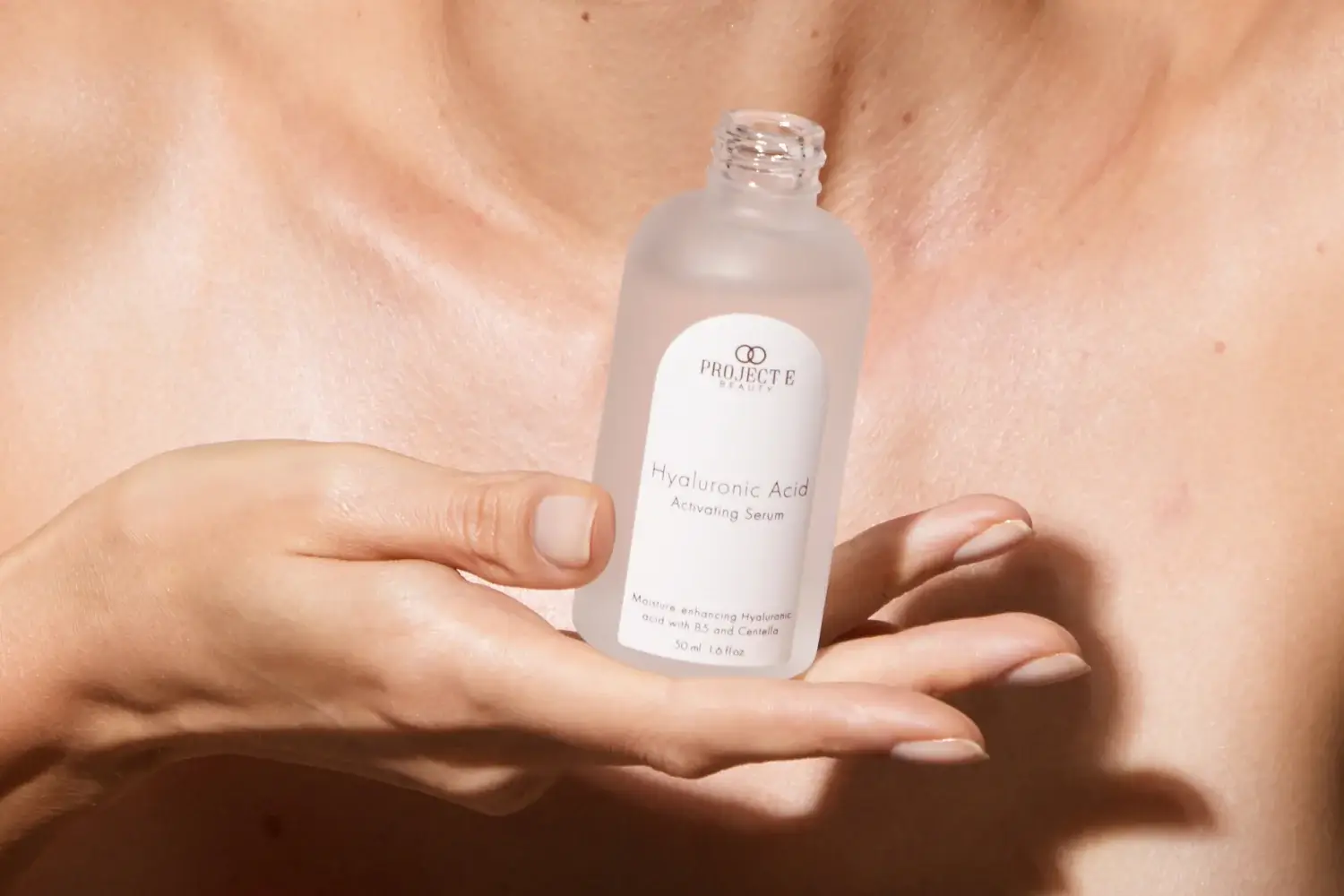
- Hyaluronic Acid: Multi-weight hydration that works at different skin depths. Apply to damp skin for best results. The Ordinary, Neutrogena, and La Roche-Posay all offer excellent versions at accessible price points.
- Retinol (used intelligently): The most evidence-backed anti-ageing active available without a prescription. Start at the lowest concentration available, use two to three nights per week only, always buffer with moisturiser. Give it 12 weeks before evaluating.
- Azelaic Acid: Anti-inflammatory, brightening, and antibacterial. Exceptionally well-tolerated — one of the few actives recommended for use during pregnancy. Ideal for rosacea-prone, post-acne, and sensitive skin. Paula’s Choice 10% Azelaic Acid Booster is outstanding.
- Centella Asiatica (Cica): Calming, healing, and barrier-supportive. The core ingredient in the K-beauty ‘skin barrier repair’ movement. Ideal for reactive, sensitised, or post-procedure skin. Dr. Jart+ Cicapair range is the category leader.
- Squalane: A lightweight, non-comedogenic oil that closely mimics the skin’s natural sebum. Provides exceptional moisture without heaviness. Works beautifully for all skin types including oily skin. Biossance 100% Squalane Oil is the benchmark product.
Skin Intelligence and Technology in 2026
The skin intelligence approach intersects productively with several technologies that have genuinely matured in recent years:
- AI-powered skin analysis apps now available from brands including Neutrogena, L’Oreal, and several independent developers use your phone’s camera to assess skin texture, hydration levels, pore size, and redness in real time — providing objective data to complement your own observation.
- At-home moisture meters provide quantitative readings of skin hydration that remove guesswork from whether your current moisturiser is actually delivering its claimed benefits.
- Microbiome testing kits allow you to understand the specific bacterial composition of your skin’s microbiome, enabling genuinely personalised ingredient recommendations based on your skin’s actual biology rather than general skin type categories.
None of these tools are essential — skin intelligence can be practised with nothing more than observation and a simple routine. But for those who find objective data motivating, they add a valuable layer of specificity.
Frequently Asked Questions
How many skincare products do I actually need?
Four: a gentle cleanser, one targeted treatment serum, a moisturiser appropriate for your skin type and the current season, and SPF every morning. Everything beyond this is optional and should only be added when a specific concern isn’t being addressed by your core four.
Is the 10-step Korean skincare routine bad for your skin?
Not inherently — the original K-beauty philosophy is actually deeply skin-intelligent, focused on barrier health, hydration, and gentle layering. The problem is how it was adopted in Western markets: as a product accumulation exercise rather than a thoughtful system. A well-executed, properly layered multi-step routine with compatible, gentle products is not damaging. A random combination of high-actives applied simultaneously without understanding their interactions can be.
How long does it take to see results from a simplified routine?
Most women notice an improvement in skin texture and calmness within one to two weeks of simplifying. Significant improvement in specific concerns — hyperpigmentation, fine lines, persistent acne — takes longer: typically six to twelve weeks of consistent, targeted treatment with the right active ingredients.
Can I still use retinol and acids in a skin intelligent routine?
Absolutely — skin intelligence is not anti-actives. It is pro-intention. Retinol used consistently two to three nights per week, with proper moisturiser buffering and daily SPF, is one of the most evidence-backed investments in long-term skin health available. AHAs and BHAs used appropriately — at the right concentration, the right frequency, and without combining with other high-actives on the same application — are genuinely valuable. The difference is using them intelligently rather than piling them all on at once.
What is the most important single thing I can do for my skin in 2026?
Wear SPF every morning without exception. It is the single most evidence-backed anti-ageing intervention available, and no serum, cream, or treatment can compensate for consistent UV exposure. SPF is not optional — it is the foundation on which every other skincare investment is built.
Final Thoughts
Skin intelligence is not a trend. It is not a product category. It is not something a brand can sell you. It is a shift in perspective — from skin as a problem to be fixed with the right purchase, to skin as a living system to be understood, supported, and listened to.
The beauty industry will continue to launch new ingredients, new technologies, and new viral routines at an accelerating pace. Skin intelligence gives you the framework to evaluate all of it clearly — to ask not ‘is this trending?’ but ‘does my skin actually need this, and will adding it make things better or just more complicated?’
Start by listening. Your skin is telling you something every single day. The most powerful skincare tool you have is the willingness to hear it.
Get the Free Glowing Skin Bible
Our most popular step-by-step guide to clearer, healthier skin. Trusted by thousands of readers.
No spam. Unsubscribe anytime.