
Red Light Therapy Masks 2026: Do They Actually Work? The Complete Honest Guide + Best Picks
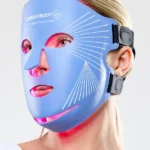
Let’s address the elephant in the room immediately: yes, those futuristic glowing masks you’ve been seeing all over Instagram and TikTok look a little ridiculous. They look like something from a science fiction film. They look like the last thing you’d willingly put on your face. And yet — dermatologists are recommending them, beauty editors are converting to them, and the science backing them up is genuinely impressive.
Red light therapy masks are having a serious moment in 2026. At-home LED devices have been quietly building credibility for years, but this is the year they’ve crossed from niche beauty tech into mainstream must-have territory. Sales are up dramatically, the clinical research is mounting, and the technology has improved to the point where home devices are now delivering results that previously required a professional treatment room.
So here’s the honest breakdown: what they do, whether they’re worth it, and exactly which ones to buy at every price point.
What Is Red Light Therapy?
Red light therapy (also called photobiomodulation or low-level laser therapy) is a non-invasive treatment that uses specific wavelengths of red and near-infrared light to penetrate the skin at different depths. This sounds more complicated than it is. Essentially, you’re shining a particular frequency of light onto your skin — and the light energy is absorbed by the cells in your skin, triggering a series of biological responses.
The key wavelengths to know: 630–660nm (red light) penetrates the surface layers of the skin and is primarily used for collagen stimulation, reducing inflammation, improving skin texture, and treating acne. 830–850nm (near-infrared light) penetrates deeper into the skin and targets more significant anti-aging concerns including deeper wrinkles, skin firmness, and tissue repair. The best home masks use both wavelengths simultaneously for comprehensive results.
This technology isn’t new — it was originally developed by NASA to study plant growth in space and was subsequently adopted for wound healing in clinical settings. What’s new is that it’s now available in consumer-grade home devices that are accurate enough, powerful enough, and affordable enough to actually replicate clinical results with consistent home use.
In 2026, red light therapy has one of the strongest scientific foundations of any at-home beauty device. Studies have shown specific wavelengths of red and near-infrared light can stimulate collagen production and reduce inflammation in skin cells — giving these masks a credibility that purely aesthetic tools often lack.
What Red Light Therapy Actually Does for Your Skin
Stimulates Collagen Production
This is the headline benefit and the one with the strongest clinical backing. Red light at the 633nm wavelength stimulates fibroblasts — the cells responsible for producing collagen — to increase output. Over weeks and months of consistent use, this translates to firmer, plumper skin with a visible reduction in fine lines and wrinkles. It’s not instant (we’ll get to timelines in a moment), but the results are cumulative and real.
Reduces Acne and Inflammation
Blue light (which many combination masks also include alongside red) is proven to kill Cutibacterium acnes bacteria on the surface of the skin, making it particularly effective for inflammatory acne. Red light simultaneously calms the inflammation and redness associated with breakouts, working on multiple levels of the acne problem at once. For anyone who has found topical acne treatments too drying or irritating, LED therapy offers a genuinely gentle alternative.
Improves Skin Tone and Texture
Regular red light use increases cellular energy production (through the mitochondria in your skin cells), which speeds up cell turnover and improves overall skin quality. Users consistently report brighter, more even-toned skin, reduced pore appearance, and a general improvement in the texture of their complexion after six to twelve weeks of consistent use.
Supports Post-Procedure Recovery
Red light therapy is used in clinical settings immediately after procedures like microneedling, chemical peels, and laser treatments to reduce downtime, calm inflammation, and speed healing. At home, this means using your mask in the days after any facial treatment to get better, faster results with less redness and irritation.
Does It Actually Work? What the Research Says
This is the question that matters most, and the honest answer is: yes, with important caveats. The clinical evidence for red light therapy’s effectiveness at stimulating collagen, reducing inflammation, and improving acne is solid and growing. The studies that exist consistently show meaningful improvements in skin quality with regular use over eight to twelve weeks.
The caveat is device quality. Consumer-grade masks vary enormously in terms of light intensity (measured in mW/cm²), wavelength accuracy, and coverage. A cheap mask that claims to be red light therapy but delivers insufficient energy to actually penetrate the skin is essentially useless — a light show with no therapeutic value. This is why choosing the right device matters enormously, and why we’ve been specific about our recommendations below.
Realistic expectations are also important. Red light therapy is not Botox. It’s not a filler. It won’t deliver dramatic, overnight transformation. What it will do, used consistently three to five times per week over two to four months, is deliver measurable improvements in skin firmness, texture, brightness, and acne frequency. Think of it as an investment in long-term skin health rather than a quick fix.
Best Red Light Therapy Masks at Every Price Point
Here’s where it gets practical. We’ve organised our recommendations from premium to budget — because the right mask depends entirely on your budget, skin concerns, and how seriously you want to commit to light therapy.
Premium Picks ($300–$500): Clinical-Grade Results at Home
★ Omnilux Contour Face — $399 | The gold standard for at-home red light therapy. Omnilux is the company that makes the giant LED machines used in doctors’ offices worldwide — this is essentially a portable version of that technology. Medical-precision 633nm and 830nm wavelengths, flexible silicone design that moulds to your face, and extensive clinical data. If you’re serious about anti-aging results, this is the one dermatologists personally use at home.
★ CurrentBody Skin LED Light Therapy Mask Series 2 — $379 | The UK-born brand that’s taken the US market by storm, now in its second generation. Flexible LED mask with red and near-infrared wavelengths, clinically tested, and consistently rated as one of the most comfortable LED masks to wear. Ten-minute sessions, wireless, and highly effective for collagen stimulation and skin texture.
★ Therabody TheraFace Mask Glo — $299 | The more accessible entry from wellness tech giant Therabody — used and endorsed by Kendall Jenner and backed by the largest clinical study of any LED mask on the market. Red, infrared, and blue light modes in a 12-minute cycle. Strong choice if you want a trusted brand at a slightly lower price point than Omnilux.
★ Dr. Dennis Gross SpectraLite FaceWare Pro — $455 | The mask that first went viral — and it’s viral for good reason. Three-minute sessions (the shortest of any high-end mask), with both anti-aging red light and acne-fighting blue light. If the 10-minute session time of other masks feels like a barrier to consistent use, this is the one to choose.
Mid-Range Picks ($100–$200): Solid Results, Smarter Spending
★ RENPHO 4D Red Light Therapy Mask — $129 | 324 LEDs, three light modes (red + infrared for anti-aging, blue for acne, mixed for comprehensive treatment), cordless, and one of the best mid-range options on the market. Excellent coverage and a contoured fit that works for most face shapes.
★ iRestore Illumina Face Mask — from $119 | Triple-wavelength technology (red, near-infrared, and blue), frequently on sale, and FSA/HSA eligible — which means you may be able to purchase it with pre-tax dollars if you have a flexible spending account. A smart buy when on promotion.
Budget Picks (Under $100): Try Before You Commit
★ INIA Glow 4D Wireless Red Light Therapy Mask — ~$89 | Consistently rated as the best budget red light therapy mask by expert reviewers. Four light modes, 850nm near-infrared, rechargeable, and cordless. A genuine steal at this price point for anyone who wants to test the waters before investing in a premium device.
★ Generic Amazon LED Masks (INTEO, Cordless 272-LED options) — $40–$75 | If you absolutely want to test red light therapy on a shoestring, there are reputable options on Amazon in this range. Look for masks with at least 200 LEDs, 660nm red and 850nm near-infrared wavelengths, and a minimum 4.3-star rating from several hundred reviews. Don’t expect clinical results, but for gentle, consistent use, they can deliver a beginner-level improvement in skin brightness.
How to Get the Best Results From Your LED Mask
Consistency is everything with red light therapy. Three to five sessions per week for a minimum of eight weeks is the baseline for visible results — most clinical studies run for twelve weeks. Missing sessions here and there won’t ruin your progress, but treating it as occasional rather than regular will dramatically slow your results.
Protocol matters too. Always start with clean, completely dry skin — no serums, no oils, nothing between the light and your skin. After your session, apply your usual skincare immediately while your skin is in a receptive state. Never apply retinol directly before a session as it increases light sensitivity. If you use vitamin C, apply it after. And never use your mask immediately before sun exposure without applying SPF — your skin will be more sensitive to UV after a treatment.
One more important note: LED therapy is cumulative. The results you see at week four will be better at week eight, and better still at week twelve. The people who give up at three weeks because they’re not seeing dramatic transformation are the ones who miss out. Commit to the full protocol and photograph your skin at the start so you can track the change objectively.
Who Should Consider a Red Light Therapy Mask?
Red light therapy is a genuinely good fit for almost everyone, but it’s particularly compelling for a few specific groups. If you’re in your thirties or forties and starting to notice the first signs of collagen loss — fine lines, skin that doesn’t snap back as quickly, a subtle loss of firmness — an LED mask used consistently from now is one of the smartest preventative investments you can make. It’s far less invasive than injectables and delivers real structural improvement over time.
If you have chronic acne and have found topical treatments too harsh or too drying, the combination of blue and red light addresses both the bacteria and the inflammation without any contact irritation. And if you’re someone who gets regular professional facials or treatments, adding an LED mask to your home routine between appointments will extend and amplify those results significantly.
The Bottom Line on Red Light Therapy Masks
Red light therapy masks are no longer a niche beauty gadget for the ultra-wealthy or the extremely committed. In 2026, there are genuinely good options at every price point — from premium clinical-grade devices that rival professional treatments, to accessible budget masks that let you experience the benefits without significant financial commitment.
The technology works. The science is solid. The results are real — not overnight-transformation real, but consistent-use-over-months real, which is actually the kind of skincare change that lasts. If you’ve been curious about LED therapy but weren’t sure whether to believe the hype, consider this your green light. Start where your budget is comfortable, commit to consistency, and give your skin the time it needs to respond. The glow-up is coming — it just takes a little patience.
💡 Shop our top picks above and save this blog for your next purchase decision. These are the dermatologist-recommended options that actually deliver results in 2026. ✨