
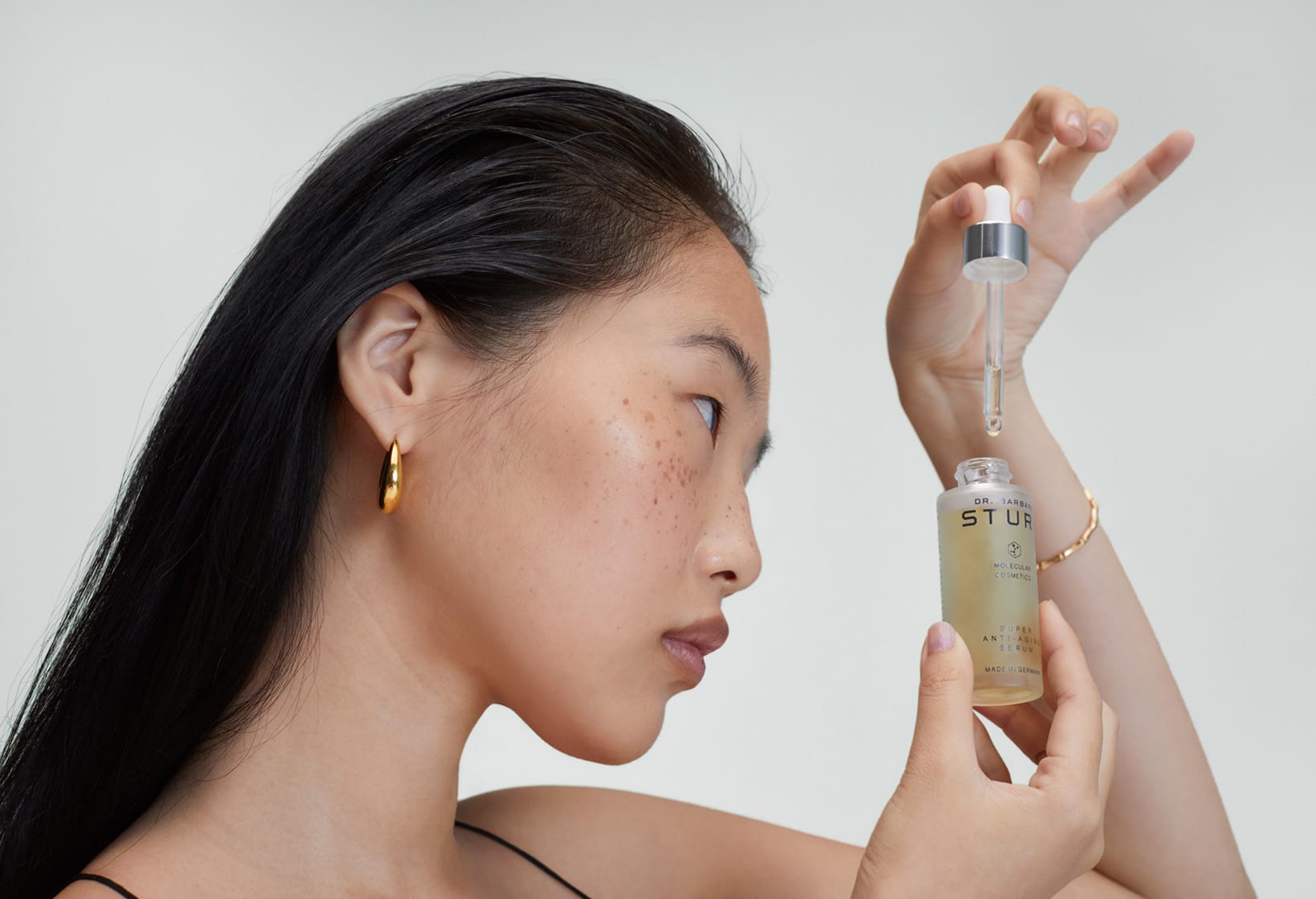
The 2026 Skincare Revolution: Exosomes, Chrono-Beauty & the Longevity Shift You Need to Know About
The skincare industry has always had a talent for introducing buzzy new ingredients and convincing us we need them immediately. And sometimes — not always, but sometimes — the hype is genuinely warranted. 2026 is one of those times.
What’s happening in skincare right now isn’t a fleeting trend cycle or a single hero ingredient having a moment. It’s a fundamental shift in how we think about skin health: away from surface-level coverage and toward deep regeneration, biological timing, and long-term resilience. The words on everyone’s lips in beauty labs and dermatology clinics are exosomes, PDRN, chrono-peptides, and longevity — and once you understand what they actually mean, you’ll see exactly why this matters for your skin.
Exosomes: The Regenerative Ingredient Getting Serious Attention
If you’ve been following skincare closely, you may have already heard the word “exosomes” floating around. If you haven’t, here’s the quick version: exosomes are tiny extracellular vesicles that act as delivery vehicles between cells, carrying proteins, lipids, and nucleic acids that signal cells to regenerate, repair, and communicate more effectively. In the world of aesthetics, they’ve been used in professional treatments for a few years now — the kind of thing you’d see in a high-end medspa or dermatology clinic.
What’s changed in 2026 is that exosomes are moving into topical skincare in a meaningful way. And critically, suppliers are now launching plant-derived exosomes that make the ingredient accessible to clean and vegan beauty brands that couldn’t previously use the human or marine-sourced versions. This means the regenerative benefits — improved hydration, enhanced collagen support, faster cell turnover, more radiant skin overall — are coming to a much wider range of products.
Skin experts are cautiously enthusiastic. The data on topical exosomes is still developing, and it’s worth noting that not all exosome products are equal — the source, concentration, and stability of the ingredient matter enormously. But the trajectory is clear: this is an ingredient category that will become increasingly mainstream through 2026 and beyond, and getting familiar with it now puts you ahead of the curve.
PDRN: The Salmon-Derived Ingredient Taking Over K-Beauty
Closely related to the exosome conversation is PDRN (polydeoxyribonucleotide) — an ingredient that’s been huge in South Korea for years and is now flooding Western skincare in a serious way. Technically derived from salmon DNA (yes, really), PDRN works by stimulating skin tissue regeneration, improving hydration at a deep level, and supporting the natural repair processes that slow down as we age.
You’ll find it in sheet masks, toners, serums, and lip treatments from K-beauty brands like CosRX, Laneige, Innisfree, and Biodance — many of which are now stocked at major Western retailers thanks to the ongoing K-beauty expansion into global markets. And for those who prefer vegan formulations, plant-derived versions are now available: The Inkey List’s PDRN Serum, for instance, uses a plant-sourced DNA alternative that delivers similar regenerative signalling without the salmon connection.
The appeal of PDRN isn’t just the ingredient itself — it’s what it represents. Consumers in 2026 aren’t just looking for products that treat the surface of their skin. They want ingredients that work at a cellular level, that rebuild rather than just repair, that invest in skin health for the long term. PDRN is a perfect embodiment of that philosophy.
Chrono-Beauty: Timing Your Skincare to Your Body Clock
One of the most genuinely fascinating developments in skincare science right now is the growing understanding of how skin behaves differently at different times of day — and how we can optimise our routines accordingly. This is what dermatologists and formulators are calling “chrono-beauty” or circadian skincare.
The science behind it is rooted in biology: your skin’s natural repair processes are most active at night, while its defensive functions (UV protection, antioxidant deployment, barrier reinforcement) are most active during the day. For most of skincare history, the basic response to this has been “use a moisturiser with SPF in the morning and a richer cream at night.” But 2026 is going much deeper.
The next generation of chrono-beauty products features what formulators are calling chrono-peptides — ingredients that interact with the skin’s internal clock to either support its daytime defensive mode or amplify its nighttime regenerative mode. Add to that melatonin analogues in evening formulas (which signal the skin to begin repair mode), timed-release antioxidants that stay active throughout the day rather than fading after application, and you start to see a completely different approach to skincare taking shape.
In practical terms, this translates to a renewed emphasis on genuinely differentiated day and night routines — not just the same moisturiser in different textures, but formulas engineered to work with what your skin is biologically trying to do at that hour. It sounds complex, but the best products in this space are designed to be seamlessly incorporated into a routine you already have.
The Skinimalism Backlash to 10-Step Routines
Here’s the counterbalance to all of this ingredient innovation: a significant and growing portion of consumers are exhausted by complexity. The 10-step skincare routine had its era, and that era is quietly ending. What’s replacing it isn’t laziness — it’s intention.
Skinimalism — the philosophy of doing less, but doing it better — is one of the dominant skincare mindsets of 2026. It means choosing fewer products that are individually more effective, understanding what your skin actually needs versus what marketing has convinced you it needs, and prioritising consistency over collection. A simple cleanser, a targeted serum or two, a moisturiser, and SPF during the day. That’s it. That’s the routine.
This aligns perfectly with another major 2026 skincare shift: the rise of hybrid makeup-skincare products. Tinted moisturisers with active ingredients. Serum foundations with SPF 50 and niacinamide. Products that do double or triple duty, reducing the number of steps without reducing the results. If you’re building a routine in 2026, the question isn’t “what else should I add?” — it’s “what can this one product do for my skin while I’m wearing it?”
Barrier Repair Is Non-Negotiable
If there’s one concept that underpins almost everything happening in skincare in 2026, it’s the skin barrier. The thin layer of lipids, proteins, and cells that sits at the outermost surface of your skin is the foundation of everything: hydration retention, protection against environmental damage, resilience against sensitising ingredients. Damage your barrier — through over-exfoliation, harsh cleansers, or simply stress and pollution — and everything else in your routine underperforms.
The good news is that the mainstream beauty conversation has finally caught up to what dermatologists have been saying for years: rebuild the barrier first, and the rest will follow. Ceramides, fatty acids, peptides, and squalane are the heroes here. And the trend toward cleaner, shorter ingredient lists plays directly into barrier support — because the fewer potentially irritating ingredients in a formula, the better your skin can do its own job.
What to Actually Buy in 2026
The smartest skincare investment you can make in 2026 is in a well-formulated barrier repair product, a targeted active serum (pick your concern: retinol for cell turnover, vitamin C for brightness, niacinamide for pores and oil), and a dedicated SPF. Everything else is a bonus. If you want to explore the regenerative ingredient space, look for products containing plant-derived PDRN or exosomes from reputable brands with transparent sourcing — and manage your expectations appropriately while the science continues to develop.
Skincare in 2026 rewards the patient and the informed. The era of panic-buying viral products and layering ten things in a single routine is giving way to something quieter, smarter, and ultimately much more effective. Your skin is an organ — treat it like one.
“Which ingredient are you most excited to try — exosomes, PDRN, or chrono-peptides? Drop it in the comments and let’s talk skincare. Follow us on Glowzey for science-backed beauty content delivered straight to your feed.”