Regenerative Skincare Is the Future: Why Exosomes Are the Most Talked-About Beauty Trend of 2026
Regenerative Skincare: The Beauty Industry’s Biggest Shift in 2026
Skincare in 2026 is no longer about chasing the strongest acid or the highest percentage of retinol. Instead, the industry is moving toward something far more advanced — regenerative skincare.
This new category focuses on repairing, restoring, and strengthening the skin at a cellular level, rather than forcing rapid exfoliation or irritation-driven results.
At the center of this movement? Exosomes.
Once limited to dermatology clinics and post-procedure treatments, exosomes are now entering the consumer skincare space — and they’re quickly becoming one of the most searched beauty terms in the US.
At Glowzey, we’re seeing a clear shift:
Consumers want skin longevity, not short-term glow.
What Is Regenerative Skincare?
Regenerative skincare is built on one core idea:
Help the skin heal and renew itself naturally.
Instead of aggressive actives, this approach uses:
- Bio-active ingredients
- Cell-signaling technology
- Barrier-repair compounds
- Growth-factor-inspired formulations
The goal is not to “burn off” damage, but to teach the skin how to repair itself.
This philosophy is driving the popularity of:
- PDRN serums
- Peptides and growth-factor alternatives
- Skin cycling routines
- And now, exosomes
Exosomes Explained: Why Everyone Is Talking About Them
What Are Exosomes?
Exosomes are microscopic extracellular vesicles that act as cell messengers. In medical and cosmetic science, they’re known for their ability to:
- Support cell communication
- Promote regeneration
- Improve skin texture and elasticity
- Reduce inflammation
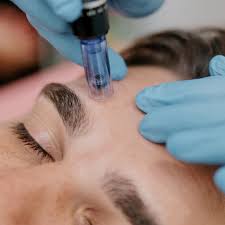
In professional settings, exosomes are already used after microneedling, laser treatments, and injectables to accelerate healing.
Now in 2026, skincare brands are racing to create topical, cosmetic-grade formulations inspired by exosome science.
Why Exosomes Are Trending in the US (2026)
Several factors are driving the rise of exosome skincare:
1. Post-Procedure Beauty Boom
With more people undergoing microneedling, lasers, and injectables, demand for advanced recovery skincare has exploded.
2. Retinol Fatigue
Consumers are tired of peeling, redness, and compromised barriers. Exosome-inspired products promise results without irritation.
3. Longevity Beauty Movement
Beauty in 2026 is deeply connected to health, wellness, and anti-inflammatory living — exosomes fit this narrative perfectly.
4. Social Media Influence
TikTok and Reddit skincare communities are already calling exosomes “the next retinol.”
Regenerative Skincare vs Traditional Anti-Aging
| Traditional Anti-Aging | Regenerative Skincare |
|---|---|
| Focuses on exfoliation | Focuses on repair |
| Short-term glow | Long-term skin health |
| Can cause irritation | Designed for sensitive skin |
| Aggressive actives | Bio-active & barrier-first |
This is why regenerative skincare aligns so well with Skin Cycling 2.0 and Comfort Skincare, two of the strongest trends of 2026.
Trending Regenerative Ingredients Beyond Exosomes
Exosomes aren’t alone. Several supporting ingredients are dominating regenerative routines:
PDRN (Salmon DNA Bio-Actives)
Used for regeneration and elasticity, PDRN serums are becoming popular alternatives to retinol — especially in K-Beauty.
Peptides & Growth-Factor Alternatives
Modern peptide blends mimic growth-factor signaling without prescription-level strength.
Colloidal Oats & Ectoin
Barrier-repair ingredients that calm inflammation and protect skin during regeneration.
Bakuchiol
A gentle anti-aging staple that supports renewal without damaging the barrier.
How Regenerative Skincare Fits Into 2026 Fashion & Beauty Trends
Beauty trends don’t exist in isolation — they move alongside fashion and lifestyle.
In 2026, fashion is embracing:
- Minimalist makeup
- Bare-skin aesthetics
- Luxury loungewear & clean silhouettes
- Wellness-driven personal style
This perfectly complements regenerative skincare.
When skin looks naturally healthy, consumers:
- Wear lighter makeup
- Invest more in skincare than foundation
- Choose skincare-first beauty routines
This is why skin-as-fashion is becoming a dominant concept in the US.
Are Exosome Skincare Products Safe?
Here’s an important clarity point for Glowzey readers:
- Clinical exosome treatments are performed by professionals.
- Cosmetic exosome-inspired skincare does NOT contain live human cells.
- Most consumer products use plant-derived, fermented, or bio-mimetic technologies inspired by exosome science.
This makes them cosmetically safe, non-invasive, and suitable for at-home use — especially when paired with barrier repair products.
Who Should Try Regenerative Skincare?
Regenerative skincare is ideal for:
- Sensitive or reactive skin
- Post-procedure recovery
- Aging or stressed skin
- Retinol-intolerant users
- Minimalist skincare lovers
It’s especially powerful during winter months, when skin barriers are more vulnerable.
The Glowzey Perspective
At Glowzey, we believe regenerative skincare represents the next decade of beauty, not just a passing trend.
Exosomes symbolize a deeper shift:
- From force → function
- From irritation → intelligence
- From trends → longevity
As science-backed skincare becomes mainstream, consumers will increasingly choose products that work with their skin, not against it.
What to Expect Next in Regenerative Beauty
Looking ahead, we expect:
- More exosome-inspired consumer serums
- Hybrid skincare-makeup products
- Personalized regenerative routines
- Increased overlap between dermatology and daily skincare
Glowzey will continue curating products that reflect where beauty is going — not where it’s been.
About the Author
Glowzey Editorial Team
The Glowzey Editorial Team covers emerging beauty, skincare, and fashion trends shaping the global market. Our content blends science-backed insights with real-world consumer behavior to help readers make informed, modern beauty choices. We focus on trend forecasting, product discovery, and the future of skincare innovation.