Why Your Acne Won’t Go Away – 7 Hidden Causes You’re Ignoring
You’ve tried the cleansers.
You’ve switched moisturizers.
You’ve even cut out sugar.
But somehow… the acne keeps coming back.
If you’re wondering why your acne won’t go away, the answer might not be your skincare products at all. Persistent acne is often triggered by hidden internal or lifestyle factors most people completely overlook.
Let’s break down the 7 hidden causes of acne that refuses to disappear — and what you can actually do about them.
1. Your Hormones Are Out of Balance
One of the biggest reasons acne won’t go away is hormonal fluctuation.
This is especially common in:
- Women in their 20s–40s
- PCOS sufferers
- Post-birth control users
- High-stress individuals
Hormones like androgens increase oil production. More oil = clogged pores = breakouts.
Signs it’s hormonal acne:
- Breakouts along jawline and chin
- Flare-ups before your period
- Deep, painful cystic pimples
What Helps:
- Zinc supplements (if approved by doctor)
- Spearmint tea
- Stress reduction
- Gentle, non-stripping skincare
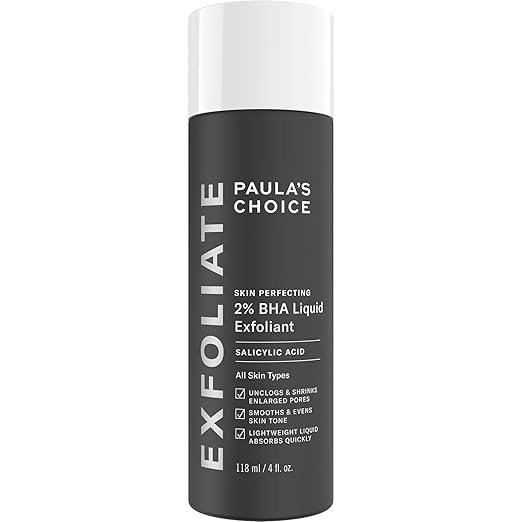
Paula’s Choice Skin Perfecting 2% BHA Liquid Exfoliant
Gently unclogs pores, reduces blackheads, and clears acne without damaging skin barrier.
Check Price on Amazon2. You’re Over-Cleansing Your Skin
It sounds crazy, but washing your face too much can actually worsen acne.
When you over-cleanse:
- You strip your skin barrier
- Skin produces MORE oil to compensate
- Breakouts increase
Common Mistakes:
- Washing 3–4 times daily
- Using harsh foaming cleansers
- Skipping moisturizer
Your skin needs balance — not punishment.
3. Your Skincare Products Are Clogging Your Pores
Many “hydrating” or “glowy” products contain ingredients that clog pores.
Look out for:
- Coconut oil
- Isopropyl myristate
- Heavy silicones
- Thick butters in humid climates
Even some “clean beauty” products can trigger breakouts.
What To Do:
- Check ingredients on a pore-clogging checker
- Switch to non-comedogenic formulas
- Avoid layering too many active products
4. Your Pillowcase Is Betraying You
Yes — your pillowcase can cause acne.
It collects:
- Oil
- Sweat
- Bacteria
- Hair product residue
If you sleep on the same pillowcase for a week, you’re pressing your face into bacteria every night.
Fix:
- Change pillowcases 2–3 times per week
- Use silk or satin to reduce friction
- Avoid sleeping with heavy hair oils

5. Your Gut Health Is Off
Emerging research shows a strong connection between gut health and skin inflammation.
Signs your acne may be gut-related:
- Bloating
- Digestive issues
- Sugar cravings
- Breakouts after certain foods
Inflammation in the gut often shows up on the skin.
Consider:
- Probiotics
- Reducing processed sugar
- Increasing fiber
- Drinking more water
Clear skin often starts internally.
6. You’re Stressed (More Than You Think)
Stress increases cortisol.
Cortisol increases oil production.
Oil production increases acne.
Chronic stress also slows skin healing — meaning pimples stay longer and leave dark marks.
Quick Stress Fixes:
- 10-minute daily walk
- Magnesium supplement
- Better sleep schedule
- Reducing caffeine
Sometimes your acne isn’t a skincare problem — it’s a nervous system problem.
7. You’re Using Too Many Actives
Retinol.
Salicylic acid.
Benzoyl peroxide.
Niacinamide.
Vitamin C.
Exfoliating toner.
Using everything at once destroys your barrier.
Barrier damage = inflammation = breakouts that look like acne but aren’t.
Signs of barrier damage:
- Burning when applying products
- Tight feeling skin
- Tiny red bumps
- Increased oiliness
Reset Routine (7–14 days):
- Gentle cleanser
- Simple moisturizer
- SPF (morning only)
Let your skin calm down before adding actives back.

CeraVe Moisturizing Cream
Restores skin barrier with ceramides. Dermatologist recommended for acne-prone skin.
View on AmazonWhen Acne Is Actually Not Acne
Sometimes what you think is acne may actually be:
- Fungal acne
- Perioral dermatitis
- Rosacea
- Allergic reaction
If breakouts:
- Itch
- Don’t respond to acne treatments
- Appear suddenly after a product change
It may be time to consult a dermatologist.
The Truth About Persistent Acne
Acne that won’t go away is rarely caused by just one thing.
It’s usually a combination of:
- Hormones
- Stress
- Diet
- Barrier damage
- Lifestyle habits
Instead of attacking your skin harder, try supporting it smarter.
Clear skin isn’t about doing more — it’s about doing the right things consistently.
Glowzey’s Acne-Safe Skincare Checklist
If you’re struggling with stubborn breakouts, here’s a simplified approach:
✔ Gentle cleanser
✔ Lightweight non-comedogenic moisturizer
✔ SPF daily
✔ Limit actives
✔ Reduce stress
✔ Improve sleep
✔ Check hormone health
Consistency > intensity.
Final Thoughts
If you’ve been asking yourself “why won’t my acne go away?”, now you know the answer might not be in your cleanser — it might be in your hormones, stress levels, gut health, or daily habits.
Acne isn’t just a surface problem.
It’s your body asking for balance.
And once you address the hidden causes, clear skin becomes much more achievable.
About the Author
Glowzey Editorial Team brings science-backed beauty insights, trending skincare knowledge, and curated product recommendations to help you make smarter beauty decisions. We simplify skincare so you can glow with confidence.