The Hair Growth Routine That Actually Works in 2026: Science-Backed Tips for Thicker, Healthier Hair
Healthy, thick, and shiny hair has always been associated with confidence and vitality. Yet millions of people in the United States struggle with hair thinning, excessive shedding, slow growth, or damage caused by heat styling, coloring, stress, hormonal changes, and environmental factors. Social media is filled with miracle cures and viral DIY hacks, but many of these trends lack scientific support and often lead to disappointment.
The good news is that healthy hair growth is less about finding a single miracle product and more about building a consistent routine based on proven hair care principles. Modern research shows that the condition of your scalp, nutrition, daily habits, and the products you choose all work together to influence how your hair looks and feels.
One of the biggest beauty trends in 2026 is the shift toward scalp-first hair care. Dermatologists increasingly describe the scalp as an extension of facial skin, meaning it deserves the same attention you give your skincare routine. Cleansing, hydration, gentle exfoliation, and barrier support are now considered essential for maintaining a healthy environment for hair.
Another important trend is the growing demand for science-backed ingredients. Consumers are moving away from products that promise instant hair growth and are instead choosing formulas containing ingredients with better supporting evidence, such as peptides, rosemary oil, caffeine, niacinamide, biotin (for those who are deficient), and clinically studied medications when appropriate. These ingredients are often paired with gentle shampoos, nourishing conditioners, and lightweight scalp serums to promote healthier-looking hair over time.
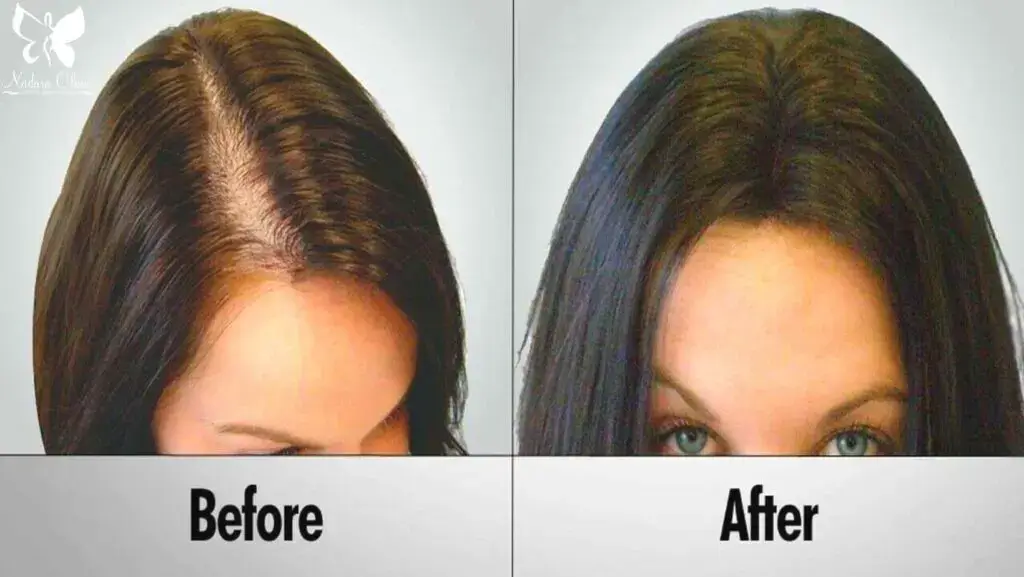
It’s also important to set realistic expectations. Hair grows in cycles, and noticeable improvements typically take several months—not days. Consistency, patience, and a balanced routine are far more effective than constantly switching between trending products.
Whether your goal is to reduce breakage, improve shine, support a healthy scalp, or make thinning hair appear fuller, this guide will walk you through the daily habits, ingredients, and lifestyle choices that can help you achieve stronger, healthier hair in 2026.
Understanding the Hair Growth Cycle
Before trying to improve hair growth, it’s helpful to understand how hair naturally grows.
Each hair follicle follows a repeating cycle made up of three main phases:
1. Anagen (Growth Phase)
This is the active growth stage, during which hair grows continuously. Depending on genetics and other factors, this phase can last anywhere from two to seven years. The longer a hair remains in this phase, the longer it has the potential to grow.
2. Catagen (Transition Phase)
This short phase lasts only a few weeks. During this time, the hair follicle shrinks and detaches from its blood supply, preparing for the resting stage.
3. Telogen (Resting and Shedding Phase)
Hair rests for several months before naturally shedding. Losing around 50–100 hairs per day is considered normal for many people as part of this natural cycle.
Understanding these phases is important because no product can make hair grow overnight. Most treatments and healthy hair routines require at least three to six months of consistent use before noticeable improvements become visible.
What Causes Hair Thinning?
Hair loss rarely has a single cause. In most cases, several factors work together to affect the hair growth cycle. Identifying the underlying cause is the first step toward choosing the right products and treatments.
1. Genetics
The most common cause of hair thinning in both men and women is androgenetic alopecia, also known as pattern hair loss. If your parents or grandparents experienced thinning hair, you may be genetically predisposed to it. While genetics cannot be changed, early treatment can help slow progression.
2. Hormonal Changes
Hormones have a major influence on hair health. Common triggers include:
- Pregnancy and postpartum changes
- Menopause
- Polycystic ovary syndrome (PCOS)
- Thyroid disorders
- Testosterone-related hair loss in men
If you experience sudden or severe hair loss, consult a healthcare professional to rule out hormonal or medical causes.
3. Stress
Emotional stress, surgery, illness, or rapid weight loss can trigger telogen effluvium, a temporary condition where more hairs enter the shedding phase than usual.
The good news is that this type of hair loss often improves once the underlying stressor is addressed.
4. Nutritional Deficiencies
Hair follicles require adequate nutrients to function normally. Low levels of the following may contribute to hair shedding:
- Iron
- Vitamin D
- Zinc
- Vitamin B12
- Protein
Supplements should only be taken if a deficiency is confirmed or recommended by a healthcare provider.
5. Heat and Chemical Damage
Frequent use of:
- Flat irons
- Curling irons
- Hair dryers
- Hair bleach
- Permanent dyes
- Chemical straighteners
can weaken the hair shaft, leading to breakage that may be mistaken for reduced hair growth.
6. Tight Hairstyles
Styles that pull on the scalp—such as tight ponytails, braids, or buns—can lead to traction alopecia, a form of hair loss caused by repeated tension.
7. Poor Scalp Health
An unhealthy scalp may contribute to:
- Excess oil
- Dandruff
- Itching
- Product buildup
- Inflammation
Keeping the scalp clean and balanced supports a healthier environment for hair.
8. Aging
Hair naturally becomes finer and grows more slowly with age. While this process is normal, consistent care can help maintain hair quality.
9. Certain Medications
Some prescription medications may list hair loss as a side effect. Never stop a medication without speaking to your prescribing clinician.
10. Unrealistic Expectations
Hair grows approximately 0.5 inch (1.25 cm) per month on average. Any product promising several inches of growth within a few weeks is making claims that are not supported by evidence.
The Perfect Morning Hair Routine
A consistent morning routine can protect your hair from daily damage and help it look healthier.
Step 1: Brush Gently
Use a wide-tooth comb or a brush designed for detangling. Start from the ends and work upward to reduce breakage.
Step 2: Apply a Lightweight Scalp Serum (If Needed)
If you use a scalp serum, apply it according to the product instructions and massage it gently into the scalp. Choose formulas suited to your hair type and concerns.
Step 3: Heat Protection
If you plan to use a blow dryer, curling iron, or straightener, apply a heat protectant first. This helps reduce damage from styling tools.
Step 4: Protect from UV Exposure
Just like skin, hair can be affected by prolonged sun exposure. Wearing a hat or using products with UV protection can help minimize damage during extended time outdoors.
The Ideal Night Hair Routine
Nighttime is an excellent opportunity to minimize friction and support healthy hair habits.
1. Scalp Massage
Spend 3–5 minutes gently massaging your scalp with your fingertips. Some people enjoy using a silicone scalp massager, but avoid excessive pressure that could irritate the scalp.
2. Apply Hair Oil (If Suitable)
If your hair tolerates oils well, you may apply a small amount to the lengths or scalp, depending on the product instructions. Popular options include rosemary oil blends and lightweight nourishing oils.
3. Sleep on a Silk or Satin Pillowcase
These materials create less friction than cotton, which may help reduce breakage and frizz.
4. Avoid Sleeping with Wet Hair
Wet hair is more fragile and prone to breakage. If possible, allow it to dry before going to bed.
Best Ingredients for Hair Growth
Not all ingredients have the same level of scientific support. Here’s how some of the most popular options compare.
1. Minoxidil
Minoxidil is one of the most studied topical treatments for certain types of hair loss and has strong evidence for improving hair growth in appropriate candidates.
Best for:
- Pattern hair loss
- Thinning hair
2. Rosemary Oil
Rosemary oil has become a popular natural option. Some research suggests it may support hair growth when used consistently, though evidence is more limited than for minoxidil.
3. Caffeine
Caffeine is included in many shampoos and scalp products. Laboratory studies suggest it may influence hair follicles, but clinical evidence remains limited.
4. Peptides
Peptides are increasingly being added to scalp serums designed to support healthier-looking hair and scalp.
5. Niacinamide
Niacinamide can help support the scalp barrier and is often included in products for sensitive or oily scalps.
6. Biotin
Biotin is frequently marketed for hair growth, but supplementation is most likely to help individuals with a true biotin deficiency rather than the general population.
7. Keratin
Keratin treatments can improve the appearance and feel of damaged hair by smoothing the hair shaft, but they do not stimulate new hair growth.
8. Hyaluronic Acid
Some scalp products include hyaluronic acid to improve hydration, which may benefit people with dry scalps.
9. Ceramides
Ceramides support the scalp’s natural barrier and may help reduce dryness.
10. Panthenol (Vitamin B5)
Panthenol helps moisturize the hair shaft, making hair appear smoother and more manageable.
Best Hair Oils in 2026
The right oil depends on your hair type and goals.
Rosemary Oil
A popular choice for those looking to support scalp health and healthy-looking hair.
Argan Oil
Ideal for smoothing frizz and adding shine.
Jojoba Oil
Lightweight and suitable for many scalp types.
Coconut Oil
Helps reduce protein loss in the hair shaft when used appropriately.
Castor Oil
Widely used in DIY routines, though strong scientific evidence for stimulating hair growth is limited.
How Often Should You Wash Your Hair?
There is no universal schedule.
Oily Hair
Every 1–2 days may be appropriate.
Normal Hair
Every 2–3 days works well for many people.
Dry or Curly Hair
Every 3–7 days, depending on individual needs and product use.
Choose a gentle shampoo that matches your scalp type rather than following a rigid schedule.
Choosing the Right Shampoo
Look for shampoos that:
- Cleanse without excessive drying
- Match your scalp type
- Avoid unnecessary harshness if you have sensitive skin
- Pair well with your conditioner and styling routine
If you have dandruff, scalp psoriasis, or significant hair loss, a dermatologist may recommend a medicated shampoo tailored to your condition.
The Best Foods for Healthy Hair Growth
Healthy hair starts from within. Hair follicles are among the most active tissues in the body, requiring a steady supply of protein, vitamins, minerals, and healthy fats. While no single food can make your hair grow dramatically faster, a balanced diet helps support normal hair growth and strength.
1. Eggs
Eggs are rich in:
- Protein
- Biotin
- Vitamin B12
- Selenium
Protein is especially important because hair is primarily made of keratin, a structural protein.
2. Salmon
Salmon provides:
- Omega-3 fatty acids
- Vitamin D
- High-quality protein
These nutrients help support scalp health and overall hair quality.
3. Spinach
Spinach contains:
- Iron
- Folate
- Vitamin C
- Vitamin A
Iron deficiency is one of the nutritional issues that can contribute to hair shedding.
4. Greek Yogurt
Greek yogurt is a good source of:
- Protein
- Calcium
- Vitamin B5
5. Nuts and Seeds
Almonds, walnuts, pumpkin seeds, and sunflower seeds provide:
- Vitamin E
- Zinc
- Healthy fats
6. Sweet Potatoes
Rich in beta-carotene, which the body converts to vitamin A, helping maintain healthy skin and scalp.
7. Berries
Loaded with antioxidants and vitamin C, berries support collagen production and help protect cells from oxidative stress.
8. Lean Chicken
Provides high-quality protein needed to support the normal growth and repair of hair.
9. Avocados
A great source of:
- Healthy fats
- Vitamin E
- Folate
These nutrients contribute to healthy-looking hair.
10. Lentils and Beans
Excellent plant-based sources of:
- Protein
- Iron
- Zinc
- Folate
Ideal for vegetarians and vegans looking to support hair health.
Common Hair Care Mistakes to Avoid
Even the best products can’t compensate for damaging habits.
Washing Hair with Very Hot Water
Hot water can strip away natural oils, leaving hair dry and more prone to breakage. Use lukewarm water whenever possible.
Overwashing
Washing too frequently may dry out the scalp and hair, especially if you’re using harsh shampoos.
Skipping Conditioner
Conditioner helps reduce friction, improves manageability, and protects the hair shaft from breakage.
Brushing Wet Hair Aggressively
Wet hair is more elastic and fragile. Detangle gently using a wide-tooth comb or a brush designed for wet hair.
Excessive Heat Styling
Daily use of flat irons, curling wands, and blow dryers at high temperatures can weaken the hair shaft over time.
Tight Hairstyles
Repeated tension from tight ponytails, braids, or buns may increase the risk of traction alopecia.
Ignoring Scalp Health
A healthy scalp provides a better environment for healthy hair. Address persistent dandruff, itching, or inflammation with appropriate products or professional advice.
Chasing Every Viral Trend
Social media is full of dramatic “hair hacks.” Be cautious of routines that promise overnight growth or encourage unsafe practices.
Hair Growth Myths vs. Facts
| Myth | Fact |
|---|---|
| Cutting your hair makes it grow faster. | Haircuts remove split ends but do not change the growth rate at the scalp. |
| Shampoo causes hair loss. | Normal washing removes hairs that were already in the shedding phase. |
| Oiling your hair overnight guarantees faster growth. | Oils can improve conditioning and reduce breakage, but they do not guarantee faster growth. |
| Brushing your hair 100 times daily improves growth. | Excessive brushing may increase breakage rather than improve growth. |
| Biotin works for everyone. | Biotin supplementation is most beneficial when a deficiency exists. |
| Expensive products always work better. | Effectiveness depends on ingredients, formulation, and consistency—not price alone. |
A Weekly Hair Care Routine
Monday
- Gentle shampoo
- Conditioner
- Leave-in conditioner (if needed)
Tuesday
- Scalp massage for 5 minutes
Wednesday
- Hydrating hair mask
Thursday
- Gentle cleansing if needed
Friday
- Lightweight hair oil on the ends
Saturday
- Clarifying shampoo (occasionally, if you use many styling products)
Sunday
- Deep conditioning treatment
- Scalp massage
- Trim split ends when necessary (every 8–12 weeks)
Frequently Asked Questions
How long does it take to grow healthy hair?
Hair grows about 0.5 inch (1.25 cm) per month on average. Noticeable improvements in hair quality often take 3–6 months of consistent care.
Does rosemary oil really work?
Some studies suggest rosemary oil may support hair growth in certain people, but evidence is still developing. It should be viewed as one option within a broader hair care routine rather than a guaranteed solution.
Can shampoo stop hair loss?
Most shampoos are designed to cleanse the scalp and improve hair appearance. They generally do not treat the underlying causes of hair loss, though some medicated shampoos may help specific scalp conditions.
Is biotin worth taking?
If you have a diagnosed biotin deficiency, supplementation may help. For most healthy adults, there is limited evidence that extra biotin alone improves hair growth.
Should I wash my hair every day?
It depends on your scalp type, activity level, and hair texture. Oily scalps may benefit from more frequent washing, while dry or curly hair often requires less frequent cleansing.
What’s the best ingredient for thinning hair?
For pattern hair loss, topical minoxidil has one of the strongest evidence bases. The best treatment depends on the cause of hair thinning, so persistent or sudden hair loss should be evaluated by a healthcare professional.
Recommended Products
Hair Growth Shampoos
- Nioxin System Kits
- Pura D’Or Original Gold Label Shampoo
- Nizoral Anti-Dandruff Shampoo (for appropriate scalp concerns)
Hair Growth Serums
- The Ordinary Multi-Peptide Serum for Hair Density
- Vegamour GRO Hair Serum
- Kérastase Genesis Serum
Hair Oils
- Mielle Organics Rosemary Mint Scalp & Hair Strengthening Oil
- OGX Argan Oil of Morocco
- Moroccanoil Treatment
Hair Supplements
- Nutrafol
- Viviscal
- Nature Made Hair, Skin & Nails Formula (choose products that match readers’ needs and include appropriate disclaimers)
Hair Tools
- Silicone scalp massager
- Microfiber hair towel
- Wide-tooth comb
- Silk pillowcase
- Ionic hair dryer with adjustable heat settings
Final Verdict
Healthy hair isn’t built on one miracle product—it’s built on consistent habits.
The most effective hair growth routine in 2026 combines:
- A healthy scalp
- Balanced nutrition
- Gentle cleansing
- Reduced heat damage
- Targeted, evidence-informed ingredients
- Patience and consistency
Remember that hair growth takes time. Most people won’t see dramatic changes in a few weeks, but a thoughtful routine followed for several months can improve the look, feel, and resilience of your hair.
If you’re experiencing sudden, patchy, or significant hair loss, it’s important to seek advice from a dermatologist or healthcare professional. Treating the underlying cause is often more effective than trying multiple cosmetic products.