Liquid Microneedling Explained: The Biotech Anti-Aging Trend Everyone Is Talking About in 2026
Introduction
The beauty industry never stands still. Every year, new ingredients, technologies, and treatments emerge, promising smoother skin, fewer wrinkles, and a more youthful complexion. In 2026, one trend generating considerable buzz among skincare enthusiasts, dermatology clinics, and beauty influencers is liquid microneedling.
Social media is flooded with before-and-after photos, glowing testimonials, and claims that liquid microneedling can stimulate collagen, reduce fine lines, and improve skin texture—all without the discomfort, downtime, or cost associated with traditional microneedling.
But what exactly is liquid microneedling? Is it truly a breakthrough in biotech skincare, or is it simply clever marketing wrapped in scientific terminology?
This comprehensive guide explores the science behind liquid microneedling, how it compares to conventional microneedling, the ingredients that make it possible, and whether this trending anti-aging treatment deserves a place in your skincare routine.
Why Biotech Beauty Is Taking Over in 2026
For years, anti-aging skincare focused heavily on ingredients such as retinol, hyaluronic acid, and vitamin C. While these ingredients remain highly effective, consumers are increasingly seeking next-generation skincare solutions inspired by advances in biotechnology.
Biotech beauty refers to the use of laboratory-engineered ingredients, cellular science, and bioactive compounds designed to support skin health at a deeper level.
Some of the most discussed biotech ingredients include:
- Exosomes
- Growth factors
- Peptides
- Fermented actives
- Stem cell extracts
- NAD+ boosters
- Biomimetic ingredients
- Marine-derived compounds
- Spicules
Rather than merely masking signs of aging, biotech skincare aims to optimize skin function, improve cellular communication, and encourage regeneration.
This shift aligns closely with the growing concept of skin longevity, which emphasizes maintaining healthy, resilient skin over time rather than pursuing unrealistic promises of reversing aging.
What Is Liquid Microneedling?
Despite its name, liquid microneedling does not involve actual needles.
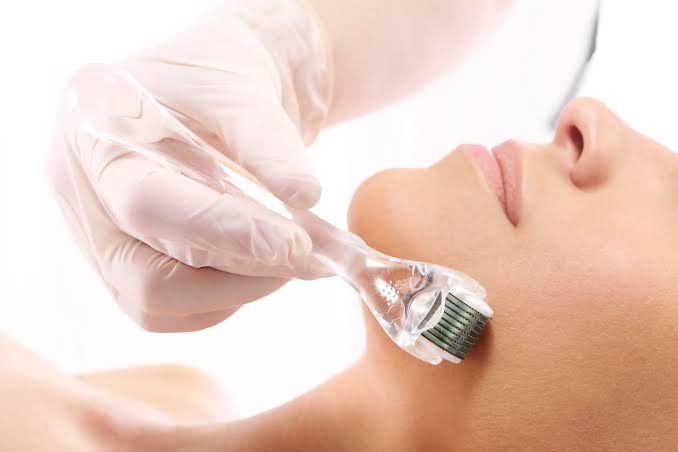
Traditional microneedling uses a device equipped with tiny needles to create controlled micro-injuries in the skin. These microscopic punctures trigger the skin’s natural healing response, stimulating collagen and elastin production.
Liquid microneedling seeks to mimic some of these benefits without puncturing the skin. Instead of needles, liquid microneedling products typically rely on microscopic structures called spicules. These tiny needle-like particles are naturally derived from marine sponges. When applied topically and gently massaged into the skin, spicules temporarily penetrate the outermost layer of the skin, creating microchannels that may enhance the delivery of active ingredients.
This process can produce a mild tingling sensation, often compared to the feeling experienced after traditional microneedling, though generally much less intense.
What Are Spicules?
Spicules are among the most fascinating ingredients in biotech skincare today. Marine sponges contain silica-based skeletal structures that resemble microscopic needles. Researchers have discovered that purified spicules can act as delivery systems for skincare ingredients. Potential benefits include:
Improved Ingredient Absorption
Spicules may help active ingredients travel deeper into the epidermis.
Enhanced Skin Renewal
The mild stimulation may encourage increased cellular turnover.
Temporary Skin Smoothing
Some users notice softer, more refined skin after consistent use.
Collagen Support
Preliminary studies suggest that controlled stimulation may encourage collagen synthesis.
It is important to note that spicules do not penetrate as deeply as professional microneedling devices used in dermatology clinics. Therefore, expectations should remain realistic.
The Science Behind Traditional Microneedling
To understand liquid microneedling, it helps to understand how conventional microneedling works. Traditional microneedling creates thousands of microscopic injuries. This process activates wound-healing pathways involving:
Fibroblasts
Fibroblasts are specialized skin cells responsible for producing collagen.
Elastin
Elastin helps maintain skin elasticity.
Growth Factors
Growth factors assist tissue repair.
New Blood Vessel Formation
Improved circulation contributes to healthier skin. Benefits supported by scientific studies include:
- Reduction in acne scars
- Improved skin texture
- Fine line reduction
- Increased skin firmness
- Better absorption of skincare products
Professional treatments often require multiple sessions for optimal results.
How Liquid Microneedling Differs from Traditional Microneedling
Traditional Microneedling
Advantages
✔ Clinically studied
✔ Effective for scars
✔ Stimulates collagen
✔ Professional supervision
Disadvantages
✖ Redness
✖ Downtime
✖ Potential discomfort
✖ Higher cost
Liquid Microneedling
Advantages
✔ Needle-free
✔ Easier home use
✔ Minimal downtime
✔ Enhanced serum delivery
Disadvantages
✖ Limited clinical evidence
✖ Results vary
✖ Less effective for deep scars
✖ Marketing claims may be exaggerated
For consumers hesitant about needles, liquid microneedling offers an appealing middle ground.
Exosomes: The New Frontier in Anti-Aging
Many liquid microneedling formulations are paired with exosome serums., Exosomes are tiny extracellular vesicles released by cells. They contain signaling molecules that influence cellular behavior.
Potential benefits include:
Improved Healing
Reduced Inflammation
Enhanced Collagen Production
Better Skin Recovery
Exosomes have become one of the most discussed innovations in regenerative aesthetics.
However, the skincare industry is still developing standards regarding exosome sourcing, quality control, and long-term safety.
Consumers should remain cautious about products making dramatic claims.
Growth Factors and Biomimetic Peptides
Growth factors are naturally occurring proteins involved in tissue repair.
Some skincare brands incorporate laboratory-produced growth factors into anti-aging formulations.
These ingredients may help support:
- Firmer skin
- Improved elasticity
- Reduced wrinkle appearance
- Faster recovery
Biomimetic peptides work similarly.
They mimic naturally occurring skin signals and encourage collagen-producing cells to remain active.
Benefits of Liquid Microneedling
As biotech skincare continues to evolve, liquid microneedling is gaining attention for its potential to deliver some of the advantages associated with professional skin rejuvenation treatments—without needles or recovery time.
Although research is still developing, users and skincare professionals frequently report several benefits.
1. Improved Skin Texture
One of the most noticeable benefits users describe is smoother skin.
Regular use may help:
- Minimize rough patches
- Refine enlarged pores
- Improve skin softness
- Support healthy cell turnover
People with dull or tired-looking skin often notice an improvement in radiance after several applications.
2. Enhanced Product Penetration
The tiny spicules used in many liquid microneedling formulations may create temporary pathways in the upper layers of the skin.
This can potentially increase the absorption of active ingredients such as:
- Peptides
- Hyaluronic acid
- Niacinamide
- Growth factors
- Exosomes
- Ceramides
Enhanced penetration may allow skincare ingredients to work more efficiently.
3. Support for Collagen Production
Collagen is the structural protein responsible for keeping skin firm, smooth, and resilient.
Beginning in our mid-twenties, collagen production gradually declines.
Liquid microneedling products are designed to stimulate the skin through controlled microstimulation, potentially encouraging fibroblasts to remain active.
While this stimulation is generally milder than traditional microneedling, it may still contribute to healthier-looking skin over time.
4. Reduced Appearance of Fine Lines
Consistent use of biotech-based anti-aging treatments may help soften:
- Crow’s feet
- Forehead lines
- Smile lines
- Early wrinkles
However, deep wrinkles usually require more intensive dermatological procedures.
5. Convenient At-Home Treatment
Perhaps the biggest advantage is convenience.
Unlike professional microneedling sessions, liquid microneedling products can often be used at home.
Benefits include:
✔ Minimal downtime
✔ No bleeding
✔ Lower cost
✔ Easier maintenance
✔ Suitable for busy lifestyles
Potential Side Effects
Although considered gentler than traditional microneedling, liquid microneedling is not suitable for everyone.
Possible side effects include:
Mild Tingling
Many users describe a prickly sensation lasting several hours.
Temporary Redness
Skin may appear flushed immediately after application.
Dryness
Some formulations may temporarily disrupt the skin barrier.
Sensitivity
Individuals with very reactive skin should exercise caution.
Who Should Avoid Liquid Microneedling?
You may wish to avoid liquid microneedling if you have:
- Active eczema
- Rosacea flare-ups
- Open wounds
- Severe acne breakouts
- Extremely sensitive skin
Patch testing is always recommended.
Who Is the Ideal Candidate?
Liquid microneedling may be particularly appealing for individuals who:
Are Afraid of Needles
Many consumers want collagen stimulation without invasive procedures.
Have Early Signs of Aging
Ideal concerns include:
- Fine lines
- Mild loss of firmness
- Uneven texture
- Dullness
Prefer Preventative Skincare
Skin longevity enthusiasts often focus on preserving healthy skin rather than correcting severe aging.
Already Use Advanced Skincare
Those familiar with retinoids, peptides, and antioxidants may appreciate incorporating biotech innovations into their routine.
Best Ingredients to Pair With Liquid Microneedling
Certain ingredients complement liquid microneedling particularly well.
Hyaluronic Acid
Provides hydration.
Helps plump the skin.
Reduces temporary dryness.
Copper Peptides
Copper peptides may support skin repair.
Potential benefits include:
- Improved elasticity
- Enhanced collagen synthesis
- Better texture
Ceramides
Maintaining the skin barrier is essential.
Ceramides help:
- Lock in moisture
- Minimize irritation
- Improve resilience
Niacinamide
Niacinamide offers multiple advantages.
Benefits include:
- Reduced redness
- Oil control
- Improved barrier function
- Brightening effects
Exosome Serums
Exosomes remain among the most discussed biotech ingredients in aesthetic medicine. Some clinics combine exosome treatments with traditional microneedling to potentially enhance healing and rejuvenation. At-home exosome products continue to evolve, although quality can vary significantly.
Ingredients to Avoid Immediately After Use
Some ingredients may increase irritation when combined with liquid microneedling.
Avoid temporarily using:
High-strength AHAs
Examples include:
- Glycolic acid
- Lactic acid
Strong BHAs
Salicylic acid may increase sensitivity.
Benzoyl Peroxide
Can be excessively drying.
Prescription Retinoids
Allow the skin to recover first.
Is Liquid Microneedling Worth the Money?
This is perhaps the most common question consumers ask.
The answer depends largely on expectations.
It May Be Worth It If:
You want:
✔ Mild rejuvenation
✔ Improved glow
✔ Better serum absorption
✔ Needle-free treatments
It May Not Be Worth It If:
You expect:
✖ Dramatic wrinkle removal
✖ Scar revision
✖ Surgical-level tightening
✖ Instant lifting
For more advanced concerns, professional treatments remain more effective.
The Future of Biotech Beauty
Biotech skincare appears poised for significant growth.
Industry experts predict increasing popularity for:
Exosome Therapy
NAD+ Skincare
Senolytic Ingredients
Growth Factor Technology
Personalized Skincare
Artificial intelligence may eventually customize formulations based on an individual’s skin biology.
Regenerative Aesthetics
Future anti-aging strategies may focus less on camouflage and more on supporting healthy skin function.
Final Thoughts
Liquid microneedling represents an exciting development in the evolving world of biotech beauty.
While it should not be viewed as a replacement for dermatologist-performed microneedling, it may provide a convenient option for individuals seeking mild collagen stimulation and enhanced skincare absorption.
As with many emerging beauty trends, consumers should approach marketing claims with a healthy degree of skepticism.
The most effective anti-aging routine still relies on fundamentals:
- Daily sunscreen
- Retinoids
- Peptides
- Moisturizers
- Healthy lifestyle habits
- Consistency
Liquid microneedling may become another useful tool within a broader skin longevity strategy—but it is unlikely to be a miracle solution.
Instead, it reflects a growing movement toward biotechnology, regenerative skincare, and proactive healthy aging.
Frequently Asked Questions (FAQ)
Is liquid microneedling painful?
Most users report a mild tingling or prickling sensation rather than pain.
Does liquid microneedling really boost collagen?
It may provide mild stimulation that supports collagen production, but research remains limited compared with traditional microneedling.
How often should I use liquid microneedling products?
Usage depends on the formulation. Many products are used once or twice weekly.
Can liquid microneedling replace professional treatments?
No. Professional microneedling remains more effective for acne scars, deep wrinkles, and significant skin laxity.
Is liquid microneedling safe for sensitive skin?
Individuals with highly sensitive skin should patch test first and consult a dermatologist if uncertain.
Ultimately, liquid microneedling represents a fascinating step forward in biotech skincare, blending innovation with the growing desire for non-invasive, longevity-focused beauty solutions. While it may not replace professional microneedling treatments for deep wrinkles or significant skin concerns, it offers an accessible way to support smoother, healthier-looking skin at home. As research into spicules, exosomes, growth factors, and regenerative skincare continues to evolve, consumers can expect even more sophisticated anti-aging options in the years ahead. For now, the best strategy remains combining proven skincare essentials—such as sunscreen, retinoids, hydration, and a healthy lifestyle—with carefully selected biotech innovations to maintain radiant, resilient skin at every stage of life.
Related Articles You May Also Like
Collagen loss begins earlier than many people realize. Learn how production changes with age in our detailed guide.
How Collagen Production Changes After 30
Want a science-backed anti-aging routine? Explore our complete longevity skincare guide.
Ultimate Anti-Aging Guide 2026
Get the Free Glowing Skin Bible
Our most popular step-by-step guide to clearer, healthier skin. Trusted by thousands of readers.
No spam. Unsubscribe anytime.