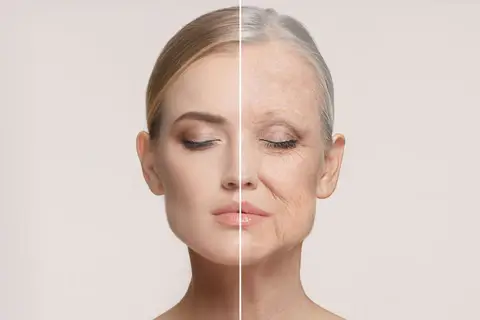
The Ultimate Anti-Aging Guide for 2026: Science-Backed Strategies for Youthful, Healthy Skin
The anti-aging industry is worth billions of dollars, yet many people still struggle to distinguish between marketing hype and ingredients that genuinely deliver results.
In 2026, the conversation around anti-aging is changing dramatically. Instead of attempting to “reverse aging,” dermatologists, skincare experts, and beauty consumers in the United States are embracing a new philosophy known as Skin Longevity. This approach focuses on maintaining skin function, protecting collagen reserves, reducing inflammation, and supporting cellular health over the long term. Recent beauty reporting highlights growing consumer interest in prevention, barrier health, peptides, and regenerative skincare rather than aggressive correction alone.
If you’re wondering what truly works, which ingredients deserve your money, and how to create an effective anti-aging routine, this comprehensive guide covers everything you need to know.
Why Does Skin Age?
Before discussing treatments, understanding why skin ages is essential.
Skin aging occurs due to two primary factors:
1. Intrinsic Aging
This is the natural aging process influenced by genetics.
Characteristics include:
- Gradual collagen decline
- Reduced elastin production
- Slower cell turnover
- Decreased hyaluronic acid
- Thinner skin layers
Beginning around age 25, collagen production decreases approximately 1% annually.
2. Extrinsic Aging
Environmental damage accelerates visible aging.
Major contributors include:
UV Radiation
Experts estimate that a significant proportion of visible facial aging is associated with cumulative sun exposure, making sunscreen one of the most evidence-supported anti-aging interventions available.
Pollution
Airborne particles trigger oxidative stress.
Smoking
Reduces blood circulation.
Chronic Stress
Elevates cortisol levels.
Poor Sleep
Interrupts overnight skin repair.
Excess Sugar Consumption
Contributes to glycation, damaging collagen fibers.
The Biggest Anti-Aging Trend in America: Skin Longevity
In previous years, anti-aging advertisements promised wrinkle-free skin overnight.
In 2026, the dominant beauty trend is different.
Consumers increasingly want:
✔ Healthier skin
✔ Stronger barriers
✔ Better resilience
✔ Delayed aging
✔ Prevention over correction
Beauty experts describe this shift as longevity skincare, emphasizing preserving skin structure and cellular communication rather than simply masking wrinkles.
Ingredient #1: Sunscreen Remains the Undisputed Champion
No serum, cream, or procedure can outperform sunscreen.
Daily SPF use protects against:
- Fine lines
- Wrinkles
- Dark spots
- Sagging skin
- Broken capillaries
Dermatologist Recommendations
Minimum SPF:
SPF 30
Preferred:
SPF 50
Apply:
Every morning
Reapply:
Every two hours outdoors.
Studies consistently identify sunscreen as the single most effective anti-aging product available.
Ingredient #2: Retinoids Still Dominate
Retinoids remain the gold standard.
Benefits include:
Increased Collagen Production
Helps maintain firmness.
Faster Cell Turnover
Creates smoother skin.
Reduced Fine Lines
Softens wrinkles.
Improved Pigmentation
Fades discoloration.
Types of Retinoids
Retinol
Best for beginners.
Retinal
Increasingly popular in 2026.
Works faster.
Causes less irritation.
Tretinoin
Prescription strength.
Highly effective.
Adapalene
Excellent option for acne-prone adults.
Experts now recommend gentler formulations paired with ceramides and niacinamide to improve tolerance, especially for new users.
Ingredient #3: Peptides Are the New Superstars
Peptides are among the most discussed skincare ingredients in 2026.
They function as signaling molecules.
They tell skin cells:
Produce more collagen.
Benefits include:
- Firmer skin
- Better elasticity
- Improved hydration
- Reduced wrinkles
Trending Peptides
Copper Peptides
Encourage repair.
Matrixyl
Supports collagen synthesis.
Argireline
Often nicknamed “Botox in a bottle.”
Signal Peptides
Support skin regeneration.
Beauty experts expect peptides to remain central to anti-aging routines because they are generally gentler than strong exfoliating acids.
Ingredient #4: Vitamin C
Vitamin C remains essential.
Benefits:
Antioxidant Protection
Fights free radicals.
Brightening
Improves dullness.
Collagen Support
Encourages firmness.
Dark Spot Reduction
Helps even skin tone.
Best Concentration
10–20%
Morning application recommended.
Always combine with sunscreen.
Ingredient #5: Ceramides
One major mistake people make is focusing solely on wrinkle treatments while neglecting skin barrier repair.
Ceramides help:
- Prevent dehydration
- Reduce irritation
- Maintain elasticity
- Improve texture
Barrier support has become a major skincare priority among both consumers and experts.
Ingredient #6: Hyaluronic Acid
Think of hyaluronic acid as a moisture magnet.
Benefits include:
- Plumper skin
- Reduced dryness
- Softer appearance
- Temporary wrinkle minimization
Apply to damp skin.
Seal with moisturizer.
Ingredient #7: NAD+ and Cellular Skincare
One of the newest beauty discussions revolves around cellular energy.
Researchers are studying:
NAD+ boosters
Postbiotics
Urolithin A
Exosomes
Growth factors
While promising, many experts suggest using these ingredients alongside proven staples rather than replacing retinoids or sunscreen.
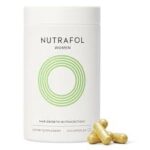
Collagen Supplements: Worth It?
Collagen supplements remain extremely popular.
Research suggests they may help improve:
Skin hydration
Elasticity
Texture
Fine lines
Types
Marine collagen
Bovine collagen
Hydrolyzed collagen peptides
Best Supporting Nutrients
Vitamin C
Zinc
Copper
Protein
Omega-3 fatty acids
Foods That Naturally Slow Skin Aging
Beauty increasingly starts in the kitchen.
Fatty Fish
Rich in omega-3s.
Examples:
Salmon
Sardines
Trout
Berries
Loaded with antioxidants.
Blueberries
Blackberries
Strawberries
Avocados
Healthy fats support elasticity.
Contains polyphenols.
Reduces oxidative damage.
Nuts
Vitamin E source.
Leafy Greens
Provide carotenoids.
Support skin repair.
The Importance of Sleep
Poor sleep contributes to:
Dark circles
Inflammation
Dryness
Slower collagen production.
Aim for:
7–9 hours nightly.
Exercise: The Forgotten Anti-Aging Secret
Exercise improves:
Blood circulation
Cellular repair
Hormonal balance
Stress management
Best activities include:
Walking
Swimming
Strength training
Pilates
Yoga
Should You Try Red Light Therapy?
Red light devices continue gaining popularity.
Potential benefits:
Collagen stimulation
Reduced inflammation
Faster healing
Improved skin tone
Results require consistency. Several weeks of use are often necessary.
Microneedling: Still Worth It?
Microneedling remains among the most effective minimally invasive procedures.
Benefits:
Better collagen production
Improved scars
Reduced wrinkles
Enhanced product absorption
Treatment frequency:
Every 4–6 weeks.
Professional treatments usually outperform home devices.
Botox, Fillers, and Modern Cosmetic Procedures
Skincare has limits., Procedures may address:
Deep wrinkles
Volume loss
Skin laxity
Popular options include:
Botulinum toxin injections
Biostimulatory fillers
Fractional lasers
PRP
Radiofrequency microneedling
Experts increasingly favor combination approaches that produce natural-looking improvements rather than dramatic transformations.
Common Anti-Aging Mistakes
Skipping Sunscreen
Biggest mistake.
Over-Exfoliating
Weakens the barrier.
Chasing Trends
Consistency beats novelty.
Ignoring the Neck
Neck skin ages quickly.
Expecting Overnight Results
Visible improvements often require:
8–12 weeks.
Community discussions consistently show that simplified routines with sunscreen, moisturizer, and retinoids frequently outperform complicated regimens.
A Simple Anti-Aging Routine for 2026
Morning
Cleanser,
Vitamin C serum,
Peptide serum,
Moisturizer,
SPF 50 sunscreen
Evening
Gentle cleanser,
Retinol or retinal,
Ceramide moisturizer,
Eye cream if desired
Weekly:
Exfoliation once,
Hydrating mask once,
LED therapy optional
The Future of Anti-Aging
The future is moving away from impossible promises.
People increasingly want:
Healthy aging
Preventative skincare
Stronger skin barriers
Cellular support
Better long-term resilience
The goal in 2026 isn’t necessarily looking 25 forever. It’s looking vibrant, healthy, and confident at every age.
Final Thoughts
Aging is inevitable, but premature aging is largely preventable. The most effective anti-aging routine doesn’t need dozens of products or a luxury budget. It requires consistency, patience, and ingredients backed by science.
Remember the hierarchy:
1. Sunscreen
2. Retinoids
3. Vitamin C
4. Peptides
6. Healthy Lifestyle Habits
When these fundamentals are combined with adequate sleep, balanced nutrition, stress management, and regular exercise, they provide the strongest foundation for youthful, resilient skin for years to come.
Related Articles You May Also Like
The Complete Glass Skin Routine for Beginners
Retinol vs Retinal: Which Ingredient Is Better for Aging Skin?
Best Vitamin C Serums for Mature Skin in 2026
Get the Free Glowing Skin Bible
Our most popular step-by-step guide to clearer, healthier skin. Trusted by thousands of readers.
No spam. Unsubscribe anytime.