How to Repair Your Skin Barrier Naturally: A Complete Science-Backed Guide
Introduction
If your skin suddenly feels dry, irritated, sensitive, or prone to breakouts, your skin barrier may be compromised. In recent years, “skin barrier repair” has become one of the most searched skincare topics in the United States, and for good reason. Many people unknowingly damage their skin through over-exfoliation, harsh products, excessive cleansing, or environmental stress.
A healthy skin barrier is essential for maintaining hydration, preventing irritation, and protecting against external aggressors. It also plays a major role in achieving smooth, glowing skin.
Many people trying to achieve radiant skin start with hydration-focused routines such as our Glass Skin Routine guide. However, even the best skincare routine will struggle to deliver results if the skin barrier is damaged.Fortunately, skin barrier damage is often reversible. With the right ingredients, habits, and patience, you can restore your skin’s natural defenses and regain a healthier complexion.
What Is the Skin Barrier?
The skin barrier, also known as the stratum corneum, is the outermost layer of your skin. It acts as a protective shield that keeps moisture in while keeping irritants, pollutants, and bacteria out.
Think of it as a brick wall:
- Skin cells are the bricks
- Lipids (fats) are the mortar
When this structure is intact, skin remains hydrated, smooth, and resilient. When it becomes damaged, moisture escapes and irritants can penetrate more easily.
Why the Skin Barrier Matters
Your skin barrier performs several critical functions:
Prevents Moisture Loss
A healthy barrier reduces transepidermal water loss (TEWL), helping skin stay hydrated.
Protects Against Environmental Damage
The barrier helps defend against pollution, UV radiation, allergens, and harmful microorganisms.
Supports Skin Healing
Healthy skin repairs itself more effectively and recovers faster from irritation or inflammation.
Maintains Skin Comfort
A strong barrier reduces redness, itching, sensitivity, and discomfort.
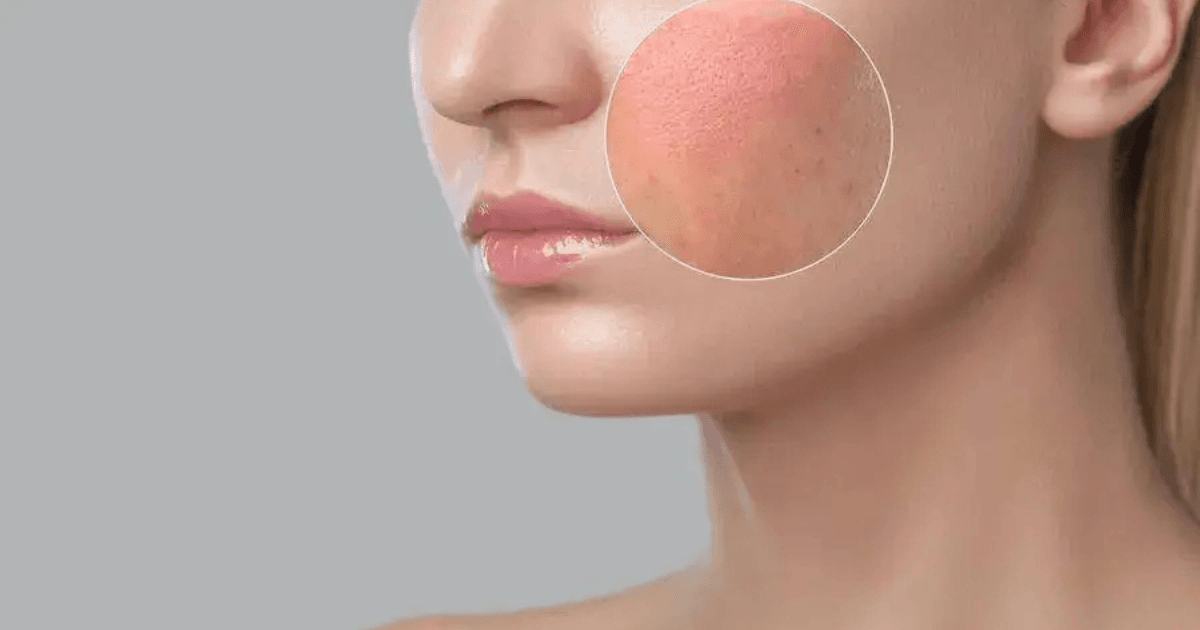
Signs Your Skin Barrier Is Damaged
Many people mistake barrier damage for acne, allergies, or dry skin.
Common signs include:
- Persistent dryness
- Tightness after cleansing
- Increased sensitivity
- Redness
- Burning or stinging
- Flakiness
- Rough texture
- Increased breakouts
- Difficulty tolerating skincare products
If your skin suddenly reacts to products you’ve used for years, barrier impairment may be the culprit.
What Causes Skin Barrier Damage?
Over-Exfoliation
One of the most common causes is excessive use of:
- AHAs
- BHAs
- Physical scrubs
- Chemical peels
While exfoliation can improve skin texture, too much can weaken the barrier.
Over-Cleansing
Washing your face too frequently removes natural oils that support barrier function.
Harsh Ingredients
Products containing high levels of alcohol, fragrances, or sulfates may contribute to irritation.
Sun Exposure
UV radiation damages skin cells and weakens protective mechanisms.
Aging
As we age, the skin naturally produces fewer lipids and structural proteins.
Aging also affects collagen production. Learn more in our guide on How Collagen Production Changes After 30, where we explain how these changes influence firmness, elasticity, and overall skin health.Environmental Stressors
Pollution, extreme weather, and low humidity can all compromise the barrier.
Benefits of Repairing Your Skin Barrier
Improved Hydration
One of the first benefits people notice is increased moisture retention.
Reduced Sensitivity
Skin becomes less reactive to products and environmental triggers.
Better Texture
A repaired barrier often feels smoother and softer.
Healthier Glow
Hydrated skin reflects light more effectively, creating a natural radiance.
Fewer Breakouts
A strong barrier supports balanced skin function and may reduce inflammation.
Scientific Evidence
Research consistently shows that barrier function is essential for skin health.
Studies have found:
- Barrier impairment increases water loss
- Ceramide deficiency contributes to dryness and eczema
- Restoring lipids improves hydration and comfort
- Gentle skincare promotes barrier recovery
Dermatologists increasingly emphasize barrier health as the foundation of effective skincare.
How to Repair Your Skin Barrier Naturally
Step 1: Simplify Your Routine
Temporarily reduce your routine to:
- Gentle cleanser
- Moisturizer
- Sunscreen
Avoid introducing new active ingredients during recovery.
Step 2: Use Ceramide-Based Moisturizers
Ceramides are naturally occurring lipids that help maintain barrier integrity.
Benefits include:
- Improved hydration
- Reduced water loss
- Enhanced resilience
Look for products containing:
- Ceramides
- Cholesterol
- Fatty acids
Step 3: Add Hyaluronic Acid
Hyaluronic acid attracts water and helps maintain hydration.
Benefits:
- Plumper skin
- Reduced dryness
- Improved comfort
Step 4: Incorporate Niacinamide
Niacinamide supports barrier repair by encouraging ceramide production.
Benefits:
- Reduced redness
- Improved hydration
- Enhanced barrier function
Step 5: Prioritize Sunscreen
UV exposure delays recovery and worsens inflammation.
Choose a broad-spectrum SPF 30 or higher daily.
Step 6: Avoid Over-Exfoliation
Limit exfoliation until symptoms improve.
For many people, once weekly is sufficient.
Step 7: Stay Hydrated
Hydration supports overall skin function.
Drink water consistently and consume water-rich foods.
Step 8: Support Skin Through Nutrition
Focus on:
- Omega-3 fatty acids
- Lean proteins
- Fruits and vegetables
- Antioxidant-rich foods
Ingredients That Help Repair the Skin Barrier
Ceramides
The gold standard for barrier repair.
Fatty Acids
Help rebuild protective lipids.
Cholesterol
Supports healthy barrier structure.
Panthenol
Provides soothing and moisturizing benefits.
Glycerin
A powerful humectant that attracts moisture.
Squalane
Helps soften skin while supporting barrier function.
Ingredients to Avoid During Recovery
Temporarily reduce or avoid:
- Strong acids
- Harsh scrubs
- Excessive retinoids
- High-fragrance products
- Alcohol-heavy formulations
Best Products for Skin Barrier Repair
Cleansers
- CeraVe Hydrating Cleanser
- Vanicream Gentle Facial Cleanser
- La Roche-Posay Toleriane Hydrating Cleanser
Moisturizers
- CeraVe Moisturizing Cream
- La Roche-Posay Cicaplast Baume B5
- Vanicream Moisturizing Cream
Serums
- The Ordinary Hyaluronic Acid
- Paula’s Choice Niacinamide Booster
How Long Does Barrier Repair Take?
Recovery time depends on severity.
Mild damage:
- 2–4 weeks
Moderate damage:
- 1–3 months
Severe impairment:
- Several months
Consistency is key.
Common Mistakes People Make
Using Too Many Products
More products often create more irritation.
Chasing Trends
Not every trending ingredient is right for your skin.
Ignoring Sunscreen
Without sun protection, repair becomes much more difficult.
Expecting Instant Results
Barrier recovery requires patience.
FAQs
Can I use retinol while repairing my barrier?
In many cases, it’s best to pause retinol until symptoms improve.
Is barrier damage permanent?
Usually not. Most cases improve significantly with proper care.
Does oily skin need barrier repair?
Yes. Even oily skin can experience barrier dysfunction.
Are natural products always better?
Not necessarily. Effectiveness depends on formulation.
How can I tell if my barrier is improving?
Reduced redness, sensitivity, dryness, and irritation are positive signs.
Conclusion
Healthy skin starts with a healthy barrier. While trendy products and advanced treatments may promise quick results, barrier repair remains one of the most important foundations of effective skincare.
Once your skin barrier is healthy, hydration-focused routines such as our Glass Skin Routine become much more effective. Likewise, maintaining a strong barrier can help protect against some of the visible aging effects discussed in our guide on How Collagen Production Changes After 30.By simplifying your routine, prioritizing hydration, using barrier-supporting ingredients, and protecting your skin from unnecessary stress, you can restore resilience and achieve healthier, more comfortable skin over time.
Related Articles
Get the Free Glowing Skin Bible
Our most popular step-by-step guide to clearer, healthier skin. Trusted by thousands of readers.
No spam. Unsubscribe anytime.