How Collagen Production Changes After 30: The Science Behind Aging Skin & What Actually Works
Introduction
Turning 30 is often a subtle but important turning point in skin health. Many people begin noticing fine lines that weren’t there before, slower skin recovery, and a gradual loss of that “plump glow” associated with youthful skin.
The main biological reason behind these changes is a decline in collagen production.
Collagen is the most abundant structural protein in the human body, and it acts like a scaffold beneath the skin, keeping it firm, smooth, and resilient. Starting in your late 20s to early 30s, the body begins producing less collagen each year, and the breakdown of existing collagen also accelerates.
This process is natural—but not uncontrollable.
In fact, modern dermatology shows that while we cannot stop collagen loss completely, we can significantly slow it down and stimulate new production using scientifically backed skincare ingredients, nutrition, and lifestyle interventions.
This guide breaks down exactly how collagen changes after 30 and what actually works based on research—not trends.
What Is Collagen?
Collagen is a structural protein that makes up about 70–80% of your skin’s dry weight. It is found in the dermis layer and provides strength, elasticity, and support.
Think of collagen as the “framework” that keeps skin looking:
- Firm
- Smooth
- Plump
- Elastic
There are over 20 types of collagen, but the most important for skin are:
Type I Collagen
- Most abundant in skin
- Responsible for firmness and structure
Type III Collagen
- Works alongside Type I
- Supports skin elasticity and youthful texture
Collagen works together with elastin and hyaluronic acid to maintain youthful skin quality. When collagen declines, all three systems weaken.
What Happens to Collagen After 30?
Starting in your late 20s, collagen production declines at an average rate of about 1% per year. After 30, this decline becomes more noticeable due to both biological aging and environmental damage.
1. Reduced Fibroblast Activity
Fibroblasts are the skin cells responsible for producing collagen. As we age:
- They become less active
- They produce fewer collagen fibers
- Repair processes slow down
2. Collagen Fiber Breakdown
Existing collagen becomes more fragmented and disorganized, reducing skin strength.
3. Dermal Thinning
The dermis layer becomes thinner, making skin more fragile and less elastic.
4. External Accelerators
Several lifestyle and environmental factors speed up collagen loss:
- UV exposure (sun damage)
- Smoking
- High sugar diet (glycation damages collagen)
- Air pollution
- Chronic stress
- Poor sleep quality
Over time, these factors combine with natural aging to produce visible changes.
Visible Signs of Collagen Decline
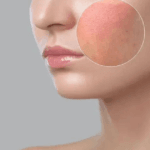
As collagen decreases, the skin begins to show:
- Fine lines around eyes and mouth
- Deeper wrinkles over time
- Sagging jawline or cheeks
- Dry or dull skin
- Loss of firmness
- Uneven texture
These changes are gradual, which is why many people only notice them after they become more visible.
Benefits of Supporting Collagen Production
While aging cannot be reversed completely, supporting collagen has measurable benefits:
1. Improved Skin Firmness
More collagen improves structural support, reducing sagging.
2. Reduction in Fine Lines
Skin becomes smoother and more elastic over time.
3. Better Hydration
Collagen helps maintain dermal moisture balance.
4. Faster Skin Recovery
Skin heals more efficiently from acne, irritation, or sun exposure.
5. Improved Radiance
Stronger collagen structure improves light reflection, creating a natural glow.
Scientific Evidence Behind Collagen Decline
Research in dermatology confirms several key findings:
- Collagen density in skin decreases significantly after age 30–35
- UV exposure increases enzymes (MMPs) that break down collagen
- Retinoids have been clinically proven to stimulate collagen synthesis
- Hydrolyzed collagen peptides improve skin elasticity in 8–12 weeks in controlled studies
- Vitamin C is essential for collagen biosynthesis
The scientific consensus is clear: collagen decline is real, measurable, and partially reversible through intervention.
How to Boost Collagen Production (Science-Based Methods)
There are three major ways to support collagen: topical skincare, nutrition, and lifestyle changes.
1. Topical Skincare Ingredients That Work
Retinoids (Retinol, Tretinoin)
Retinoids are the most scientifically proven collagen-boosting skincare ingredients.
Benefits:
- Stimulate fibroblast activity
- Increase collagen production
- Improve skin texture and firmness
- Reduce fine lines over time
They work by increasing cell turnover and activating dermal repair pathways.
Vitamin C (Ascorbic Acid)
Vitamin C is essential for collagen synthesis.
Benefits:
- Required for collagen formation
- Protects against UV-induced damage
- Brightens skin tone
- Reduces oxidative stress
Without vitamin C, collagen production cannot function properly.
Peptides
Peptides are short amino acid chains that signal skin to repair itself.
Benefits:
- Encourage collagen synthesis
- Improve elasticity
- Strengthen skin barrier
They act like “messenger molecules” telling skin to rebuild.
Hyaluronic Acid
While not a collagen booster directly, it supports hydration.
Benefits:
- Keeps skin plump
- Improves moisture retention
- Enhances overall skin texture
2. Nutrition for Collagen Support
Your body needs raw materials to build collagen.
Protein
Collagen is made from amino acids:
- Chicken
- Fish
- Eggs
- Bone broth
Vitamin C Foods
- Oranges
- Kiwi
- Strawberries
- Bell peppers
Minerals
- Zinc (nuts, seeds)
- Copper (lentils, shellfish)
Collagen Supplements
Hydrolyzed collagen peptides are widely studied and show improvements in:
- Skin elasticity
- Hydration
- Dermal density
They are especially popular in the US wellness market.
3. Lifestyle Habits That Protect Collagen
Daily Sunscreen
UV radiation is the #1 external cause of collagen breakdown.
Avoid Smoking
Smoking destroys collagen fibers and reduces oxygen supply to skin.
Reduce Sugar Intake
High sugar causes glycation, which stiffens collagen fibers.
Sleep Quality
During deep sleep, the body repairs collagen and skin tissue.
Stress Management
Chronic stress increases cortisol, which accelerates skin aging.
Risks and Side Effects
While collagen-supporting strategies are generally safe, some side effects may occur:
Retinoids
- Dryness
- Peeling
- Irritation during initial use
Vitamin C Serums
- Mild stinging on sensitive skin
- Temporary redness
Collagen Supplements
- Mild bloating or digestive discomfort
- Allergic reactions (rare, depending on source)
Proper usage and gradual introduction reduce these risks.
Best Collagen-Support Products (US Market Favorites)
Retinol Products
- CeraVe Resurfacing Retinol Serum
- RoC Retinol Correxion Deep Wrinkle Cream
- Neutrogena Rapid Wrinkle Repair
Vitamin C Serums
Peptide Products
- The Ordinary “Buffet”
- Drunk Elephant Protini Serum
Collagen Supplements
- Vital Proteins Collagen Peptides
- Sports Research Collagen Peptides
- Ancient Nutrition Multi Collagen
These are widely used in the US beauty and wellness market due to clinical backing and consumer trust.
FAQs
1. Can collagen be restored after 30?
You cannot fully restore youthful levels, but you can significantly stimulate production and slow degradation.
2. What is the fastest way to boost collagen?
Retinoids combined with sunscreen are the most effective topical strategy.
3. Do collagen supplements really work?
Studies show moderate improvements in hydration, elasticity, and skin texture after 8–12 weeks.
4. When should I start using collagen products?
Late 20s to early 30s is ideal for prevention and maintenance.
5. Is collagen loss reversible?
Partially—skin can regenerate collagen, but not completely to youthful levels.
Conclusion
Collagen decline after 30 is a natural biological process, but its visible effects are strongly influenced by lifestyle and skincare habits. While aging cannot be stopped, it can be significantly slowed. The most effective approach combines:
- Retinoids for stimulation
- Vitamin C for synthesis
- Sunscreen for protection
- Protein-rich diet
- Healthy lifestyle habits
In the modern US beauty industry, the focus has shifted from “anti-aging” to science-backed skin longevity. Collagen support is at the center of this shift, offering realistic, evidence-based ways to maintain healthy, resilient skin over time.
Consistency—not complexity—is what delivers results.